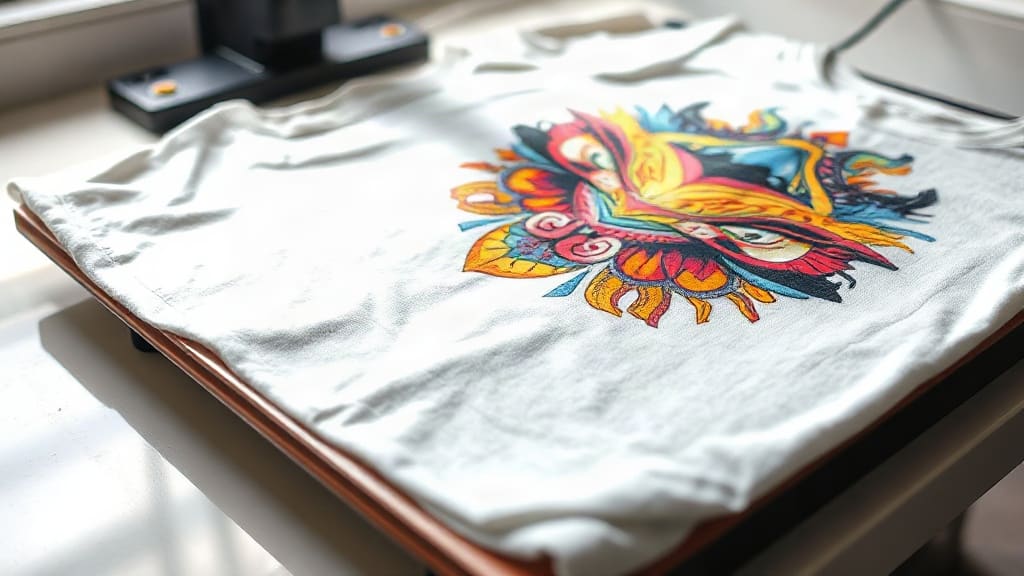
DTF Printing: A Complete Guide for Custom Apparel
Discover how DTF printing works, its benefits, and how to use it for vibrant, durable custom apparel. Perfect for small businesses and creators.

Discover how DTF printing works, its benefits, and how to use it for vibrant, durable custom apparel. Perfect for small businesses and creators.
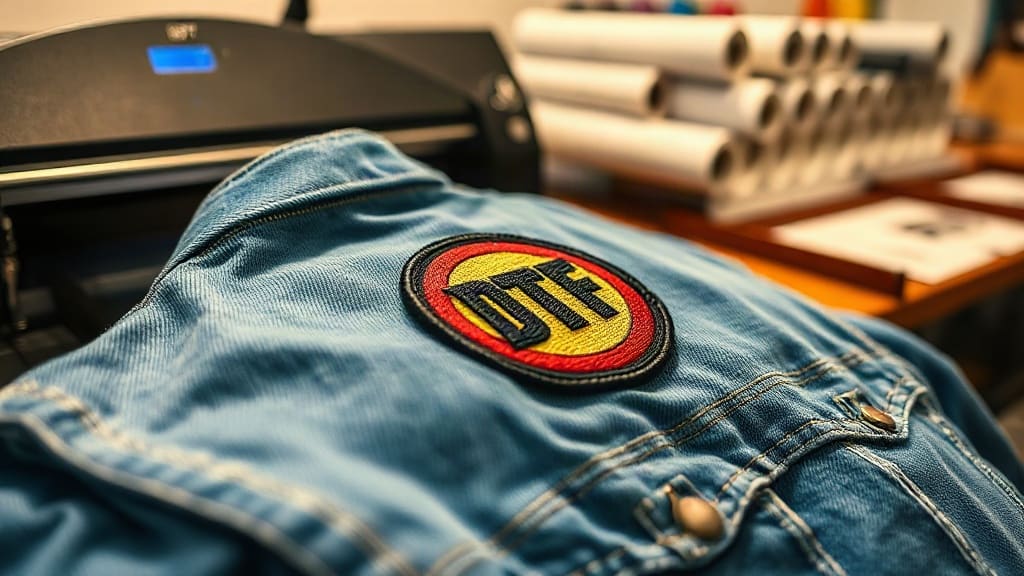
Discover how DTF printing is transforming custom patch production, from vibrant full-color designs to durable washes, and learn how to get the best results for your brand.
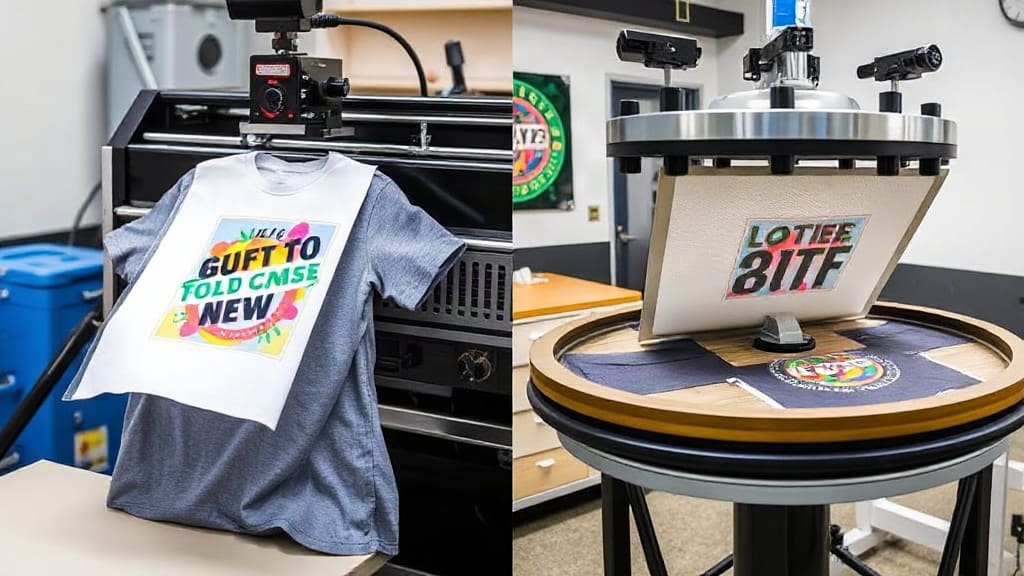
Choosing between DTF transfers and screen printing can make or break your custom apparel project. We break down cost, quality, and best use cases so you can decide with confidence.
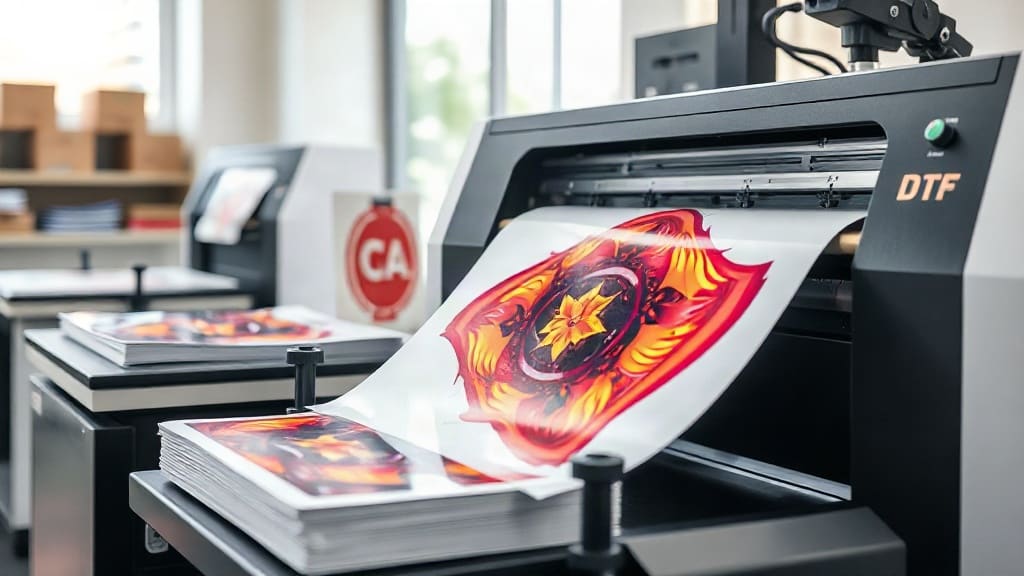
Discover how DTF printing works, why it's a game-changer for custom apparel, and how to get started with high-quality transfers.
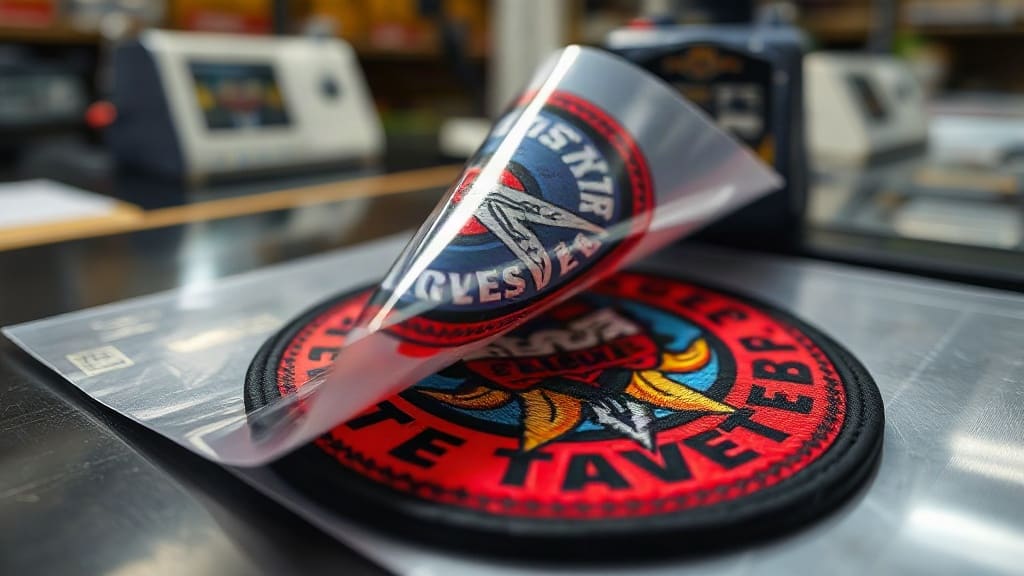
Discover how DTF printing on demand is changing the game for custom patches, offering vibrant colors and fine details without minimum orders.

Discover how to launch a successful print on demand business by offering custom patches and banners. Learn tips on design, supplier selection, marketing, and scaling.
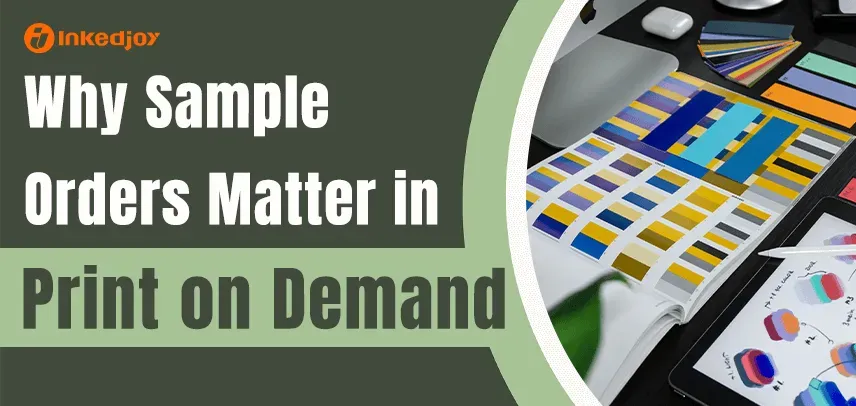
Print on Demand quality control sits at the heart of scalable e-commerce, ensuring every item aligns with customer expectations, from precise color replication to durable, consistent finishes.POD quality control practices translate fast-moving operations into consistent, scalable outcomes across thousands of orders with predictable results.
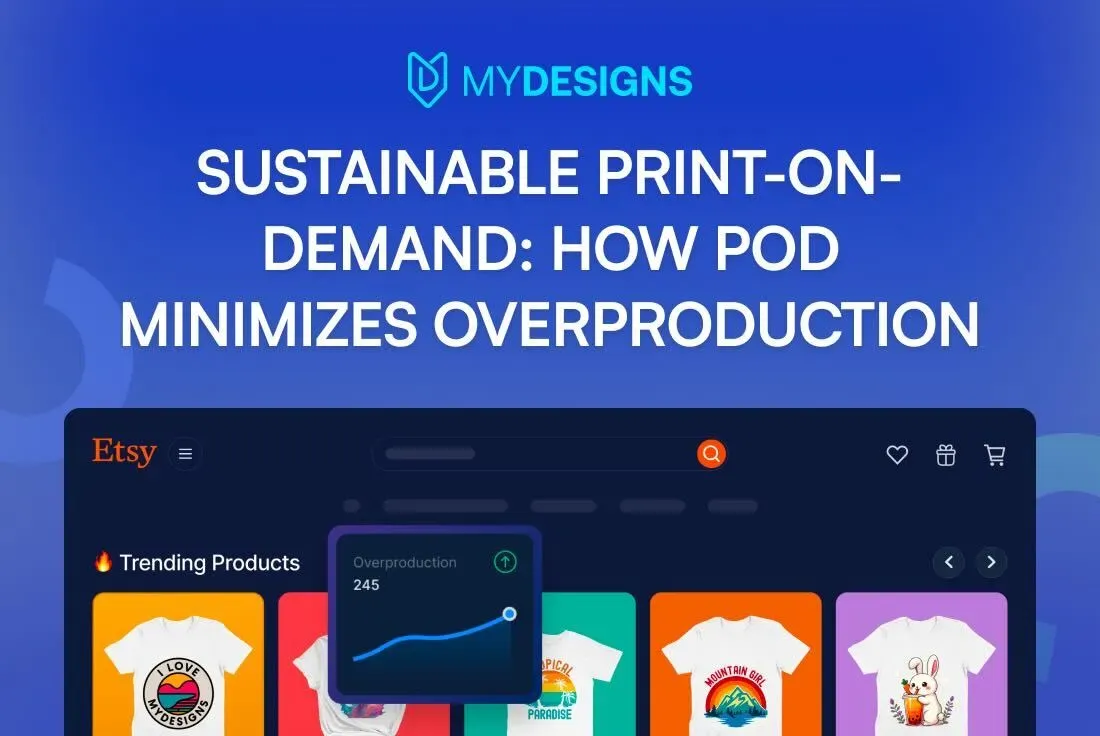
sustainable print on demand is transforming how creators bring products to market, reducing waste, and aligning with the values of modern shoppers who want responsibility baked into every purchase.By embracing eco-friendly print on demand practices—from materials selection and production to fulfillment and post-sale reuse strategies—brands can lower environmental impact without sacrificing quality or profitability, while still meeting growing expectations for transparency and accountability, for stakeholders, investors, and customers who want to understand the trade-offs and appreciate consistent progress over time.
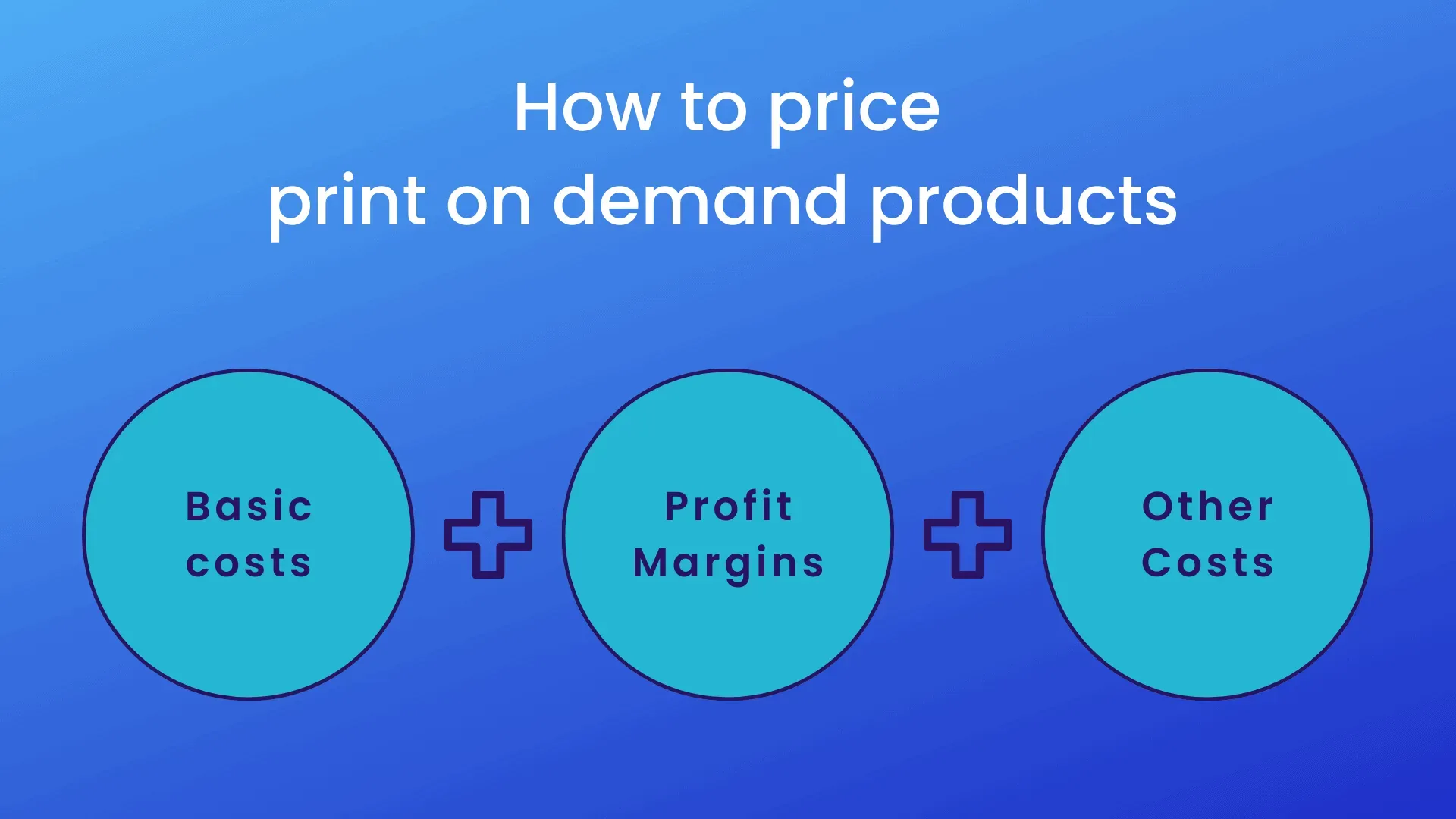
Pricing print on demand products is a strategic discipline that blends cost awareness with how customers perceive value, and it sets the stage for sustainable growth by aligning product economics with brand promises in a way that can withstand competitive pressure and evolving market conditions; this approach also supports experimentation with price ladders, margins, and the speed at which you scale.A disciplined print on demand pricing strategy guides decisions about margins, discounting, channel placement, and the narratives you build around your products, ensuring that your pricing supports growth without sacrificing customer trust; it also requires data-driven tests to refine price ladders over time.
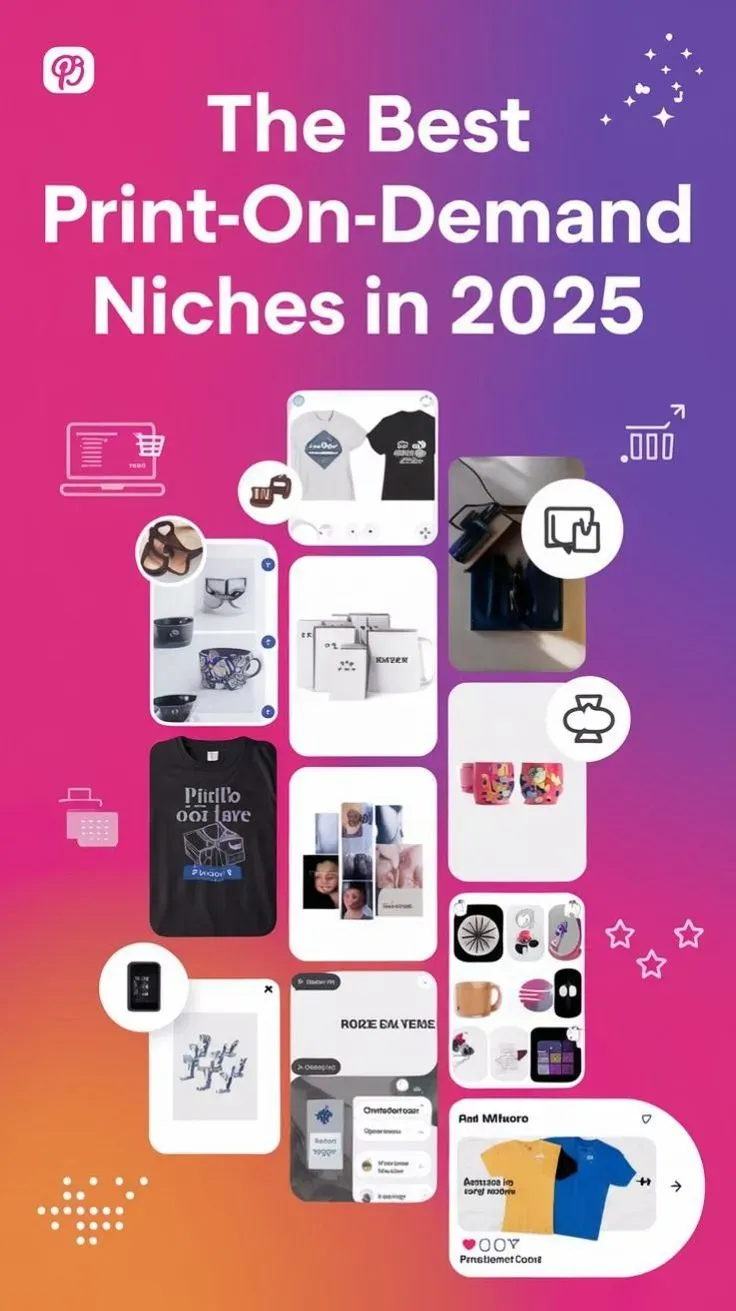
Print on Demand niche ideas help store owners move beyond generic products and build a focused catalog that resonates with a specific audience, boosting relevance and loyalty.If you are starting a POD business or aiming to scale, choosing the right niche is the difference between a slow trickle of sales and a thriving, differentiated storefront.
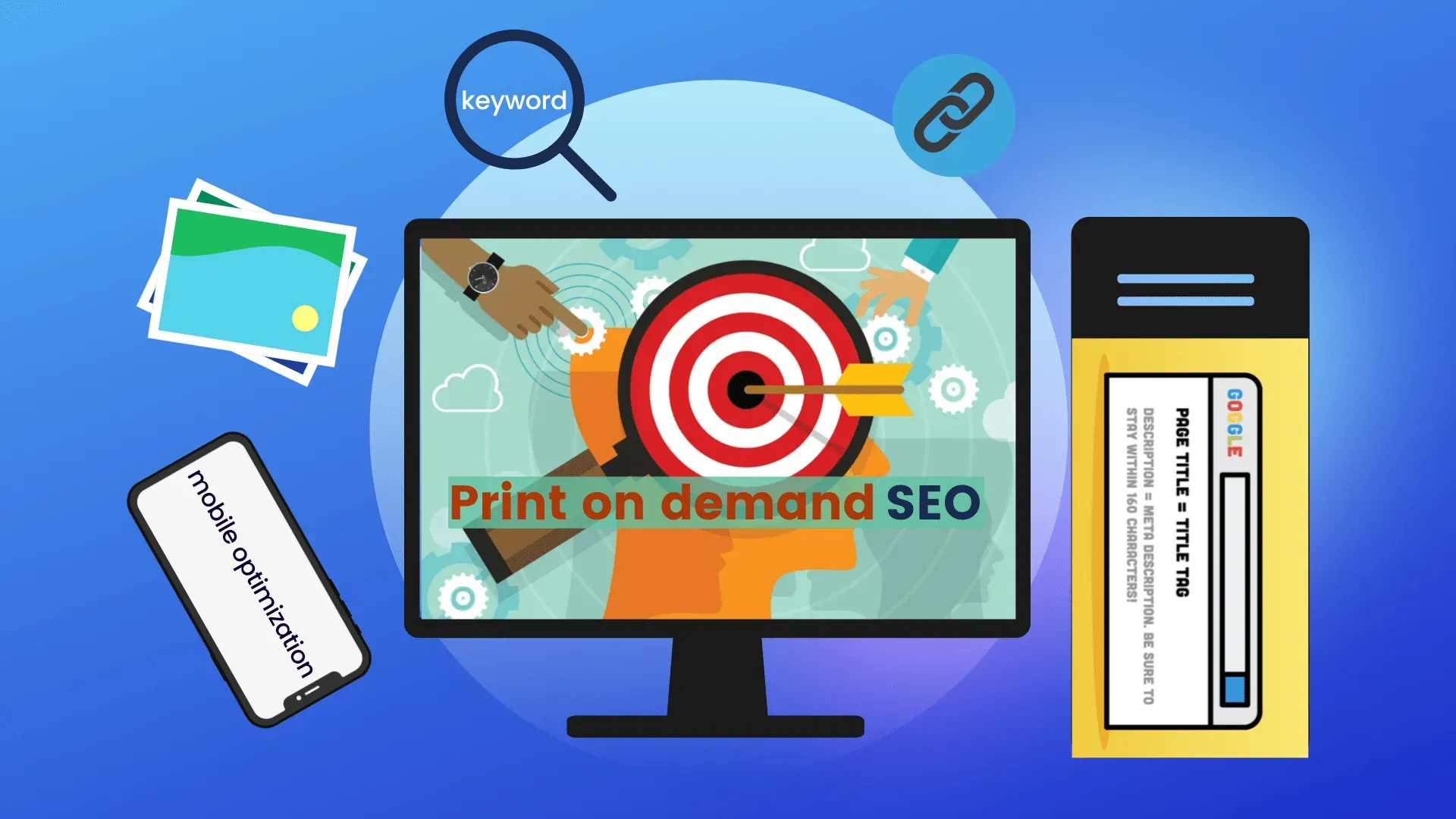
Print on Demand SEO is the engine that powers organic discovery for modern POD stores, blending technical optimization with creative presentation to ensure your designs surface when shoppers search for them and to build a durable foundation for growth into the overall customer journey across channels, including search, social, and email, to capture intent wherever users begin their journey.In a crowded marketplace, simply offering great designs isn’t enough; you also need to be found by people actively searching for those designs, and you must understand their intent across comparisons, style exploration, and value judgments before they click, while planning tests to refine headlines, images, and calls to action.
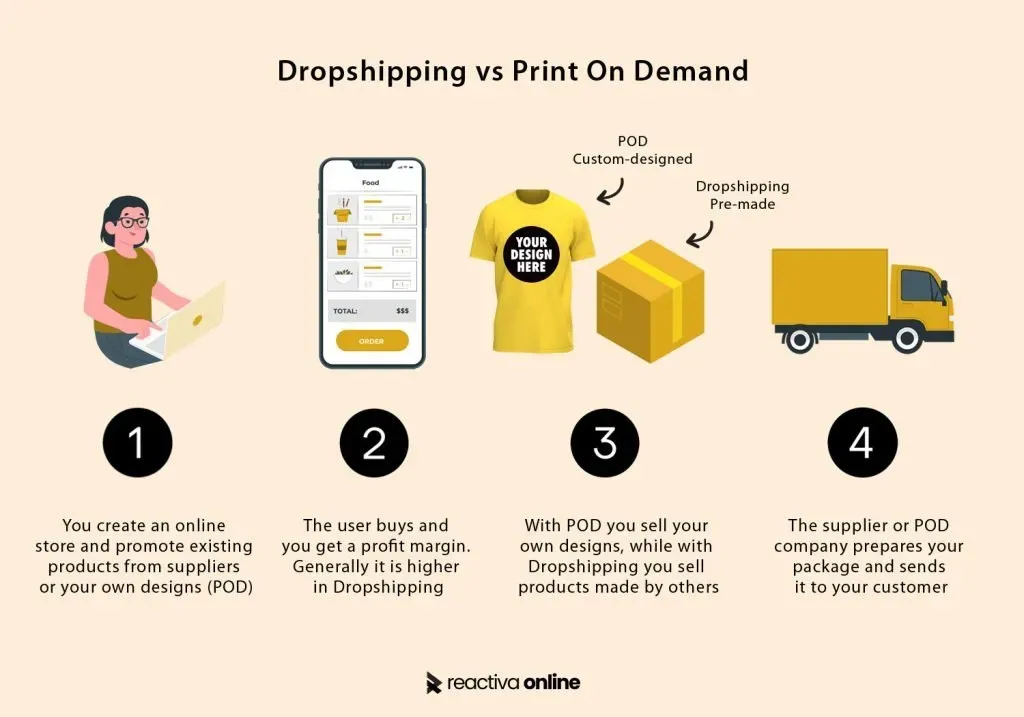
Print on Demand vs Dropshipping are two low-risk ecommerce fulfillment approaches you should understand before building a modern store, especially if you want to test ideas without heavy upfront costs.In this guide, you’ll explore POD and dropshipping differences, read a POD vs dropshipping comparison, answer which ecommerce model to choose for your business, and you’ll also examine how POD platforms integrate with online stores, how design tooling affects quality, and how to compare shipping options and return policies.
Print on Demand vs Traditional Printing is a decision facing growing brands as they scale product offerings, tell deeper brand stories across e-commerce, brick‑and‑mortar events, and wholesale channels, and weigh the trade-offs between inventory risk, speed to market, production flexibility, and the ability to iterate messaging, artwork, and packaging in ways that feel native to their audience.On the benefits side, print on demand benefits include low upfront costs, minimal inventory exposure, near‑instant catalog expansion, and the capacity to test new designs, regional variants, and targeted campaigns without tying up capital in unsold stock, all while preserving cash flow, enabling faster pivots, and reducing the risk of obsolescence.
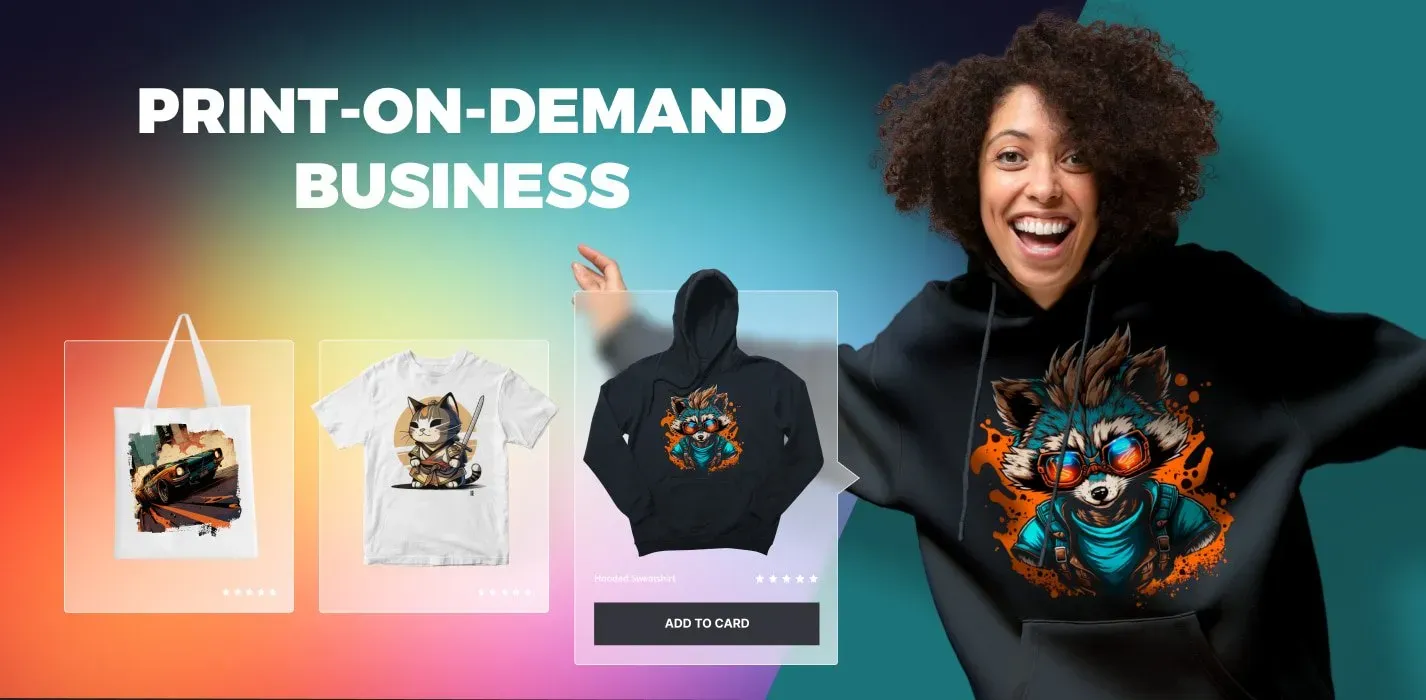
This is a print on demand brand case study that shows how creative concepts become tangible products without large inventories.It outlines how to translate an initial concept into a scalable print on demand business model, while also illustrating how to build a POD brand.
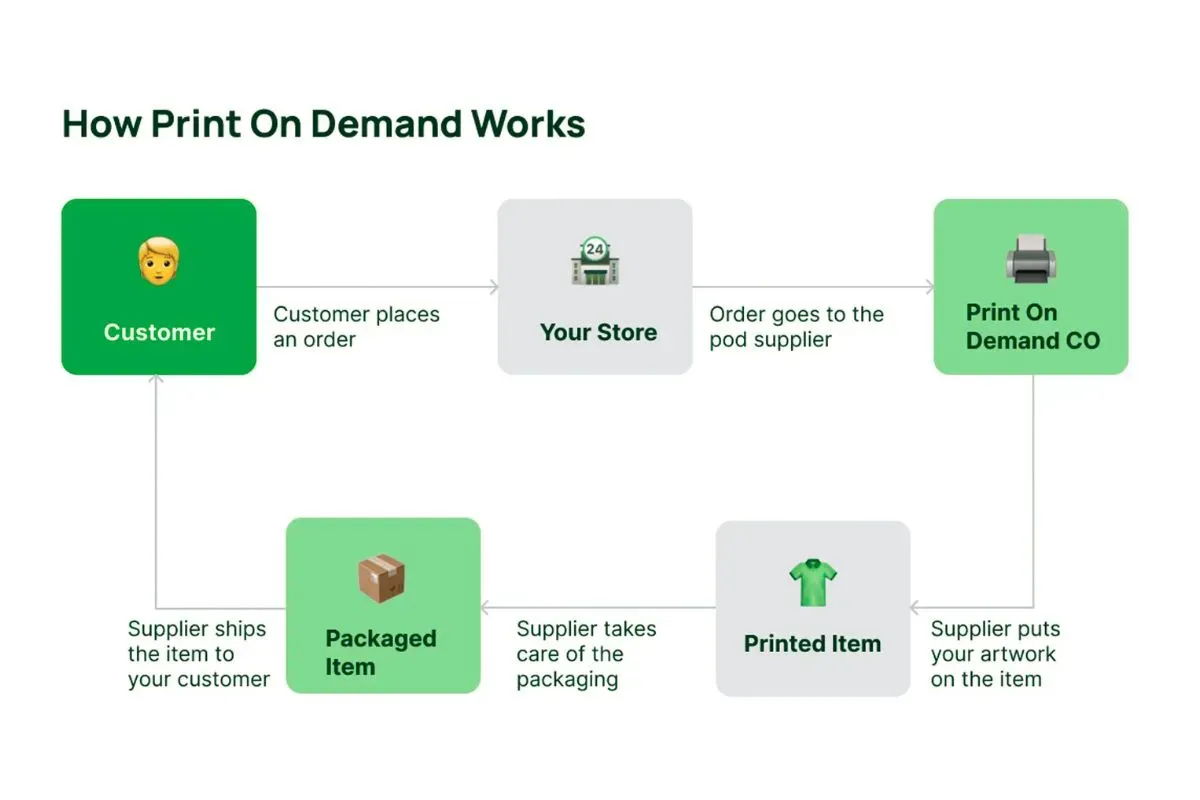
Shipping and Fulfillment for Print on Demand is a core driver of customer satisfaction, not just a logistics detail, and it shapes the first impression after checkout.In a POD model, items are produced only after an order, so POD order fulfillment speed directly affects conversions and trust.
Best print on demand platforms for apparel 2026 are redefining how brands test, launch, and scale clothing lines without heavy upfront inventory.From basic tees to premium outerwear, the right POD solution offers reliable print quality, fast production, and seamless integrations with popular storefronts.
Top Print on Demand Platforms 2026 is reshaping how creators test, launch, and scale products across apparel, home decor, and art.In a crowded market, choosing the right partner requires a data-driven framework that weighs print quality, speed, cost, and platform compatibility.
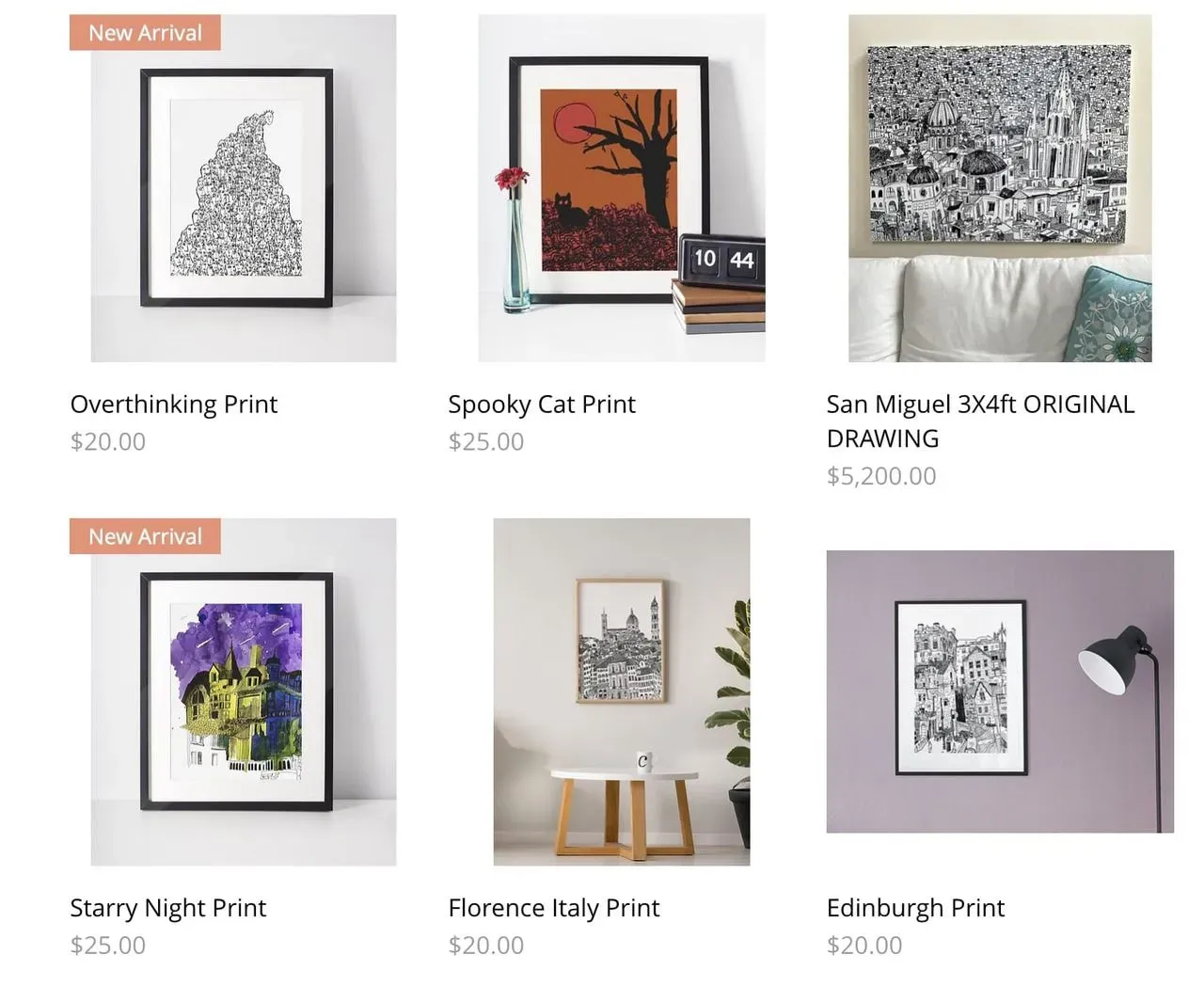
Print on Demand for Artists has transformed how creators monetize their work by removing upfront inventory costs.If you're an illustrator, painter, designer, or photographer, you can convert your art into merch that fans actually want to buy.
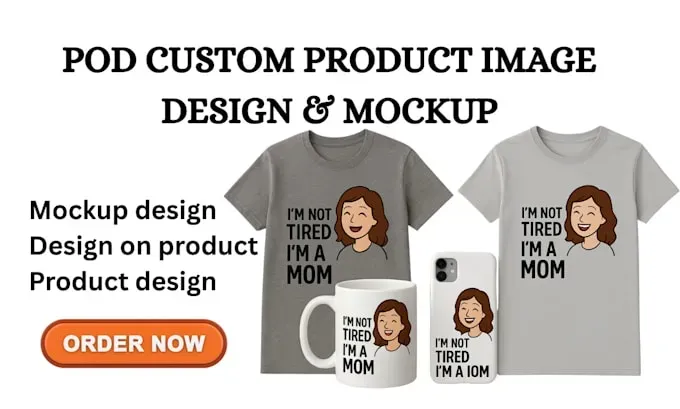
High-converting print on demand products don’t happen by accident; they arise from thoughtful design, clear value propositions, and visuals that persuade customers to buy now.This guide reveals how to apply design insights to your POD listings so they stand out in crowded marketplaces.
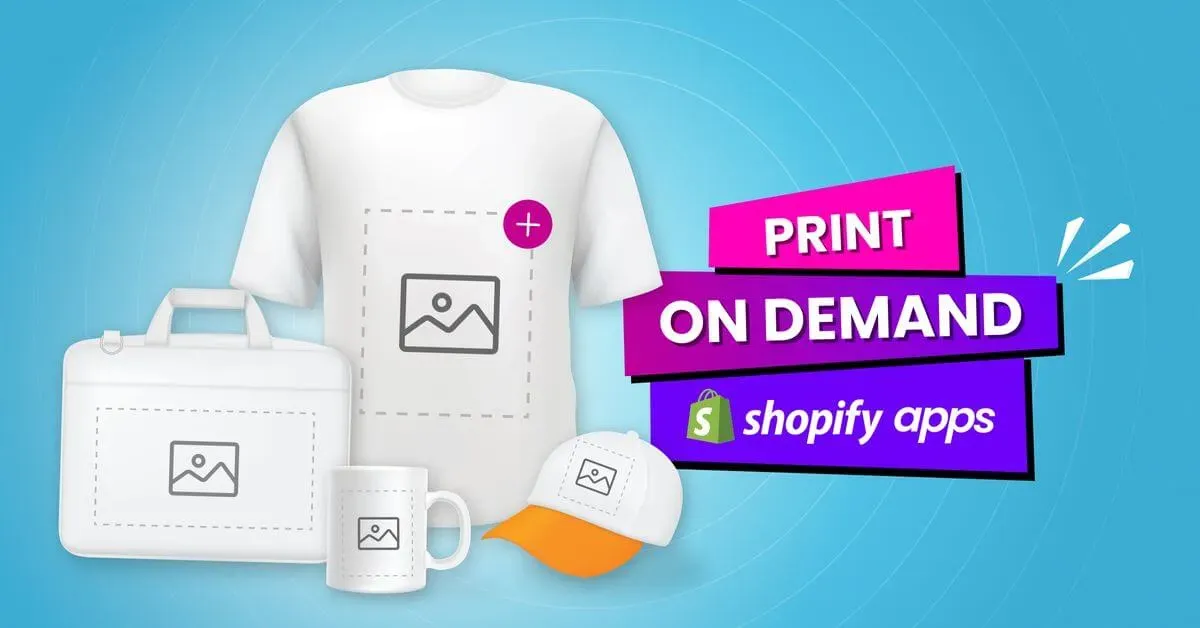
Brand Building with Print on Demand is a strategic approach to shaping how customers perceive your brand from the very first touchpoint.This method combines design, messaging, and customer experience to create a cohesive identity that resonates at every product page.
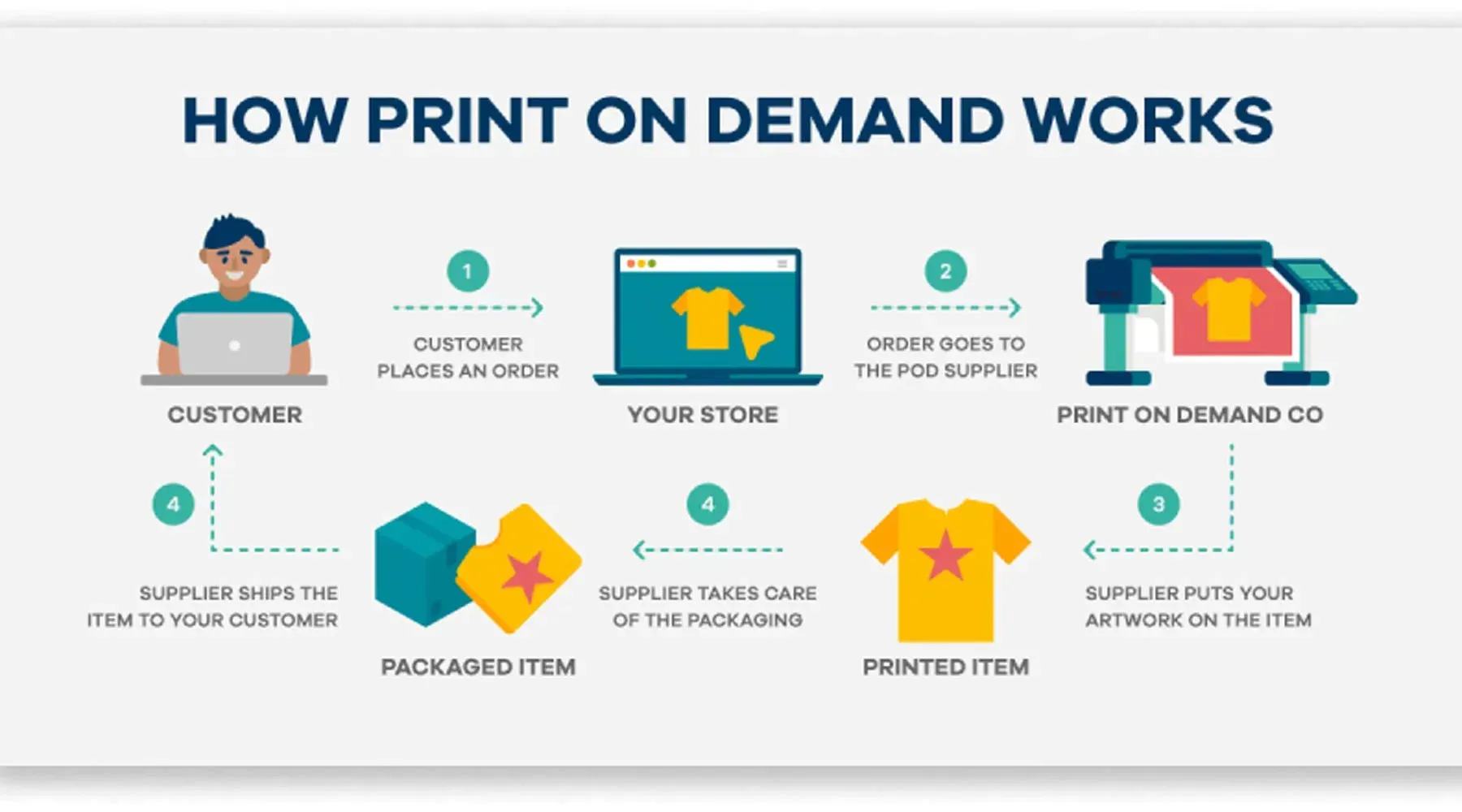
Print on Demand on a Budget is not a fantasy—it’s a practical, repeatable approach that blends smart choices, careful forecasting, and disciplined execution to deliver real, measurable results for creators at any stage, emphasizing value over hype and enabling rapid, low-risk testing.A successful start hinges on a lean, test-driven setup that minimizes waste while validating designs, channels, and messaging, so you can grow confidently without overextending resources or sacrificing customer experience.
SEO for print on demand stores is a dynamic discipline that blends design, data, and discovery to help your catalog stand out in a crowded market where shoppers increasingly rely on online search to find unique apparel, home decor, and custom gifts that feel truly personalized, and with constantly changing consumer expectations and search engine updates, this field rewards experimentation, measurement, and iteration.In a crowded marketplace, merely designing great merchandise won't guarantee visibility; you need a deliberate, data-driven approach that aligns with how people search for POD products, evaluates intent across informational, navigational, and transactional queries, and balances technical foundations with compelling content to lift rankings, attract relevant traffic, and improve conversion potential, while incorporating competitive analysis and seasonal adjustments.
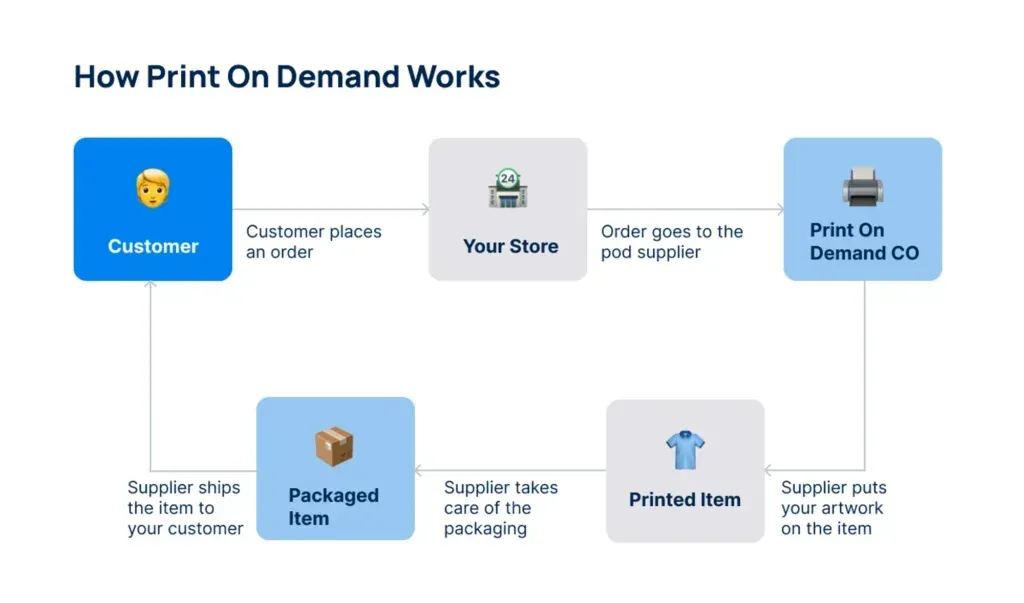
Print on demand automation is reshaping how e-commerce brands grow without stocking inventory, enabling faster experiments and more reliable fulfillment.As online shoppers demand faster delivery and personalized experiences, scale print on demand business opportunities emerge when processes run smoothly from design handoff through production and final shipment.
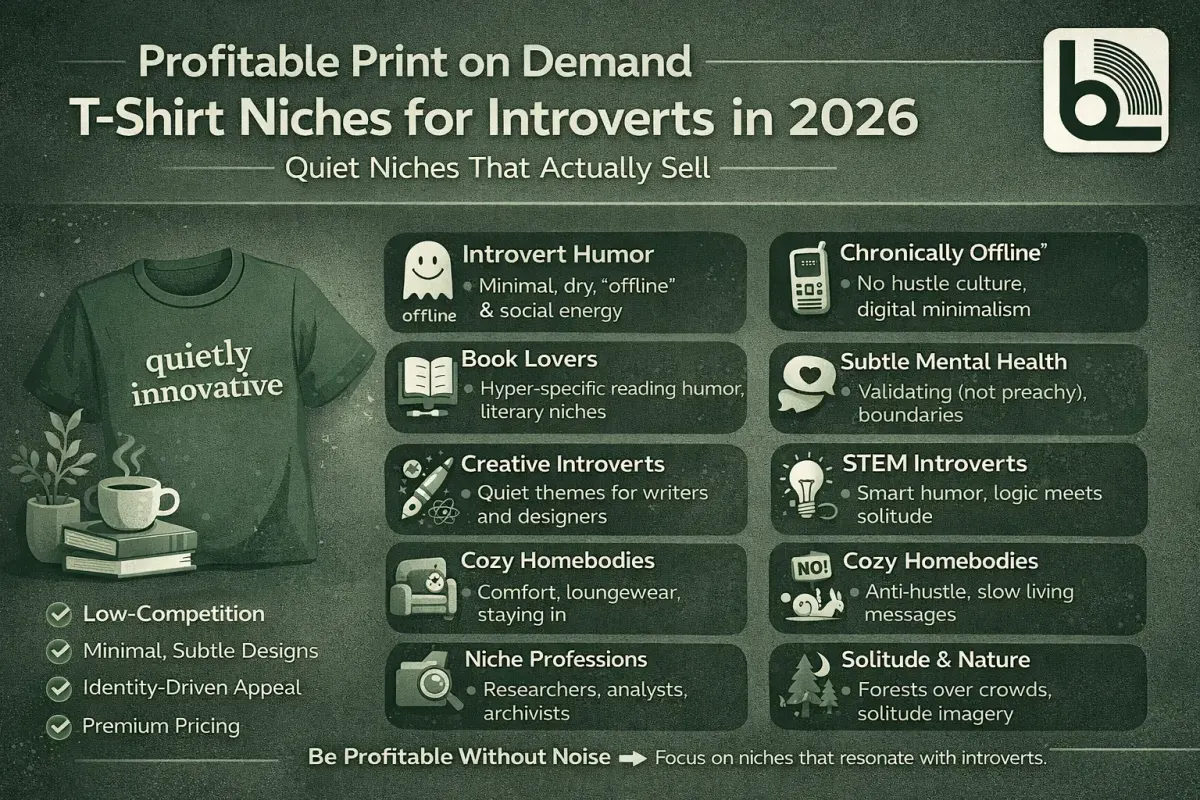
Print on demand niches 2026 are reshaping how entrepreneurs turn creativity into scalable income, because the powerful mix of custom design, rapid fulfillment, and culture-driven preferences lets small brands punch above their weight in crowded marketplaces, while enabling experimentation with micro-niches that magnetize specific communities and drive repeat purchases.As consumer desire for personalized goods grows—from apparel that reflects personal style and values to mugs that celebrate rituals and home decor accents that set a room’s mood—the landscape rewards niche specificity, deliberate branding, and an efficient production pipeline capable of supporting frequent drops without sacrificing quality or margins.
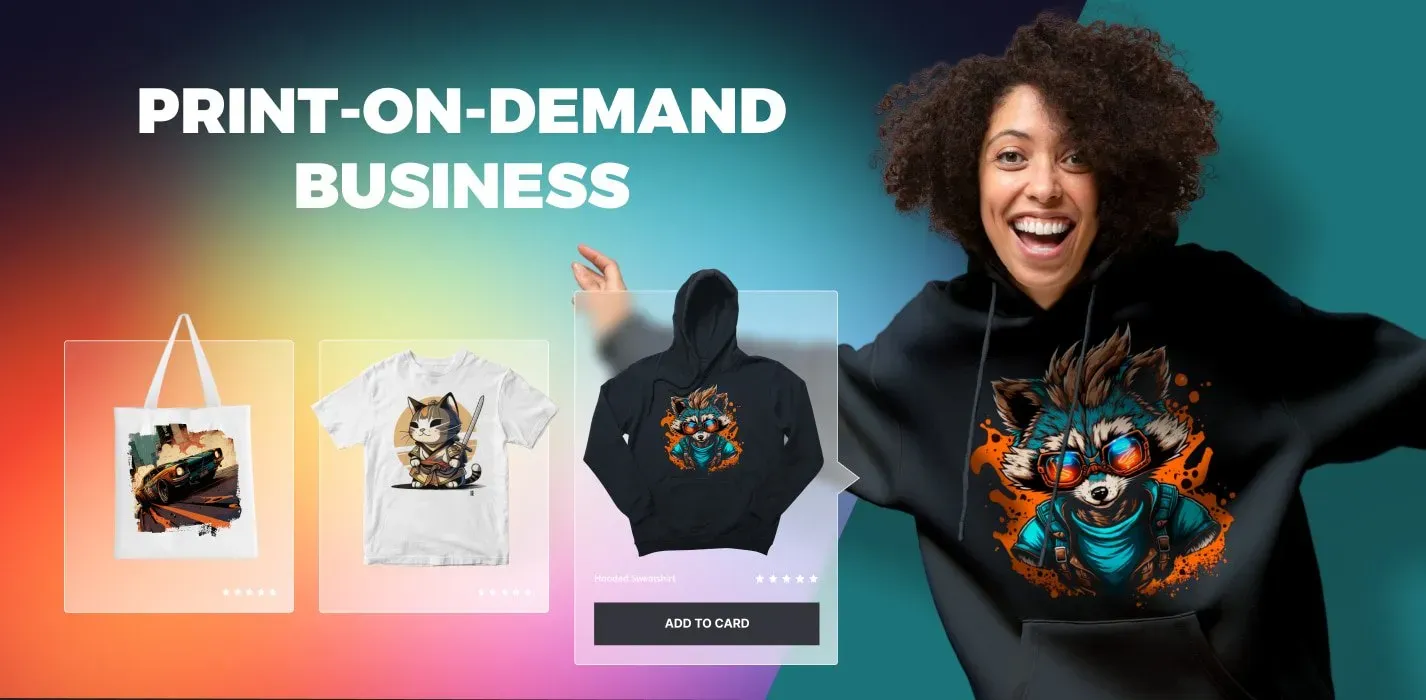
Starting a print on demand business from home is more accessible than ever, with low upfront costs, flexible schedules, and the freedom to design products you’re passionate about, from stylish apparel to practical home goods, all without inventory, warehousing, or large upfront risks, and you can test multiple niches in parallel to learn what resonates most.If you’re wondering how to start a print on demand business, this guide breaks down practical steps, from validating niches to choosing suitable POD platforms, researching audience needs, and setting up a lean, repeatable design-to-purchase workflow that scales as you learn, while you establish routines for inventory-free launches, set realistic revenue milestones, and build a sustainable process that blends creative design with data-driven decision making.
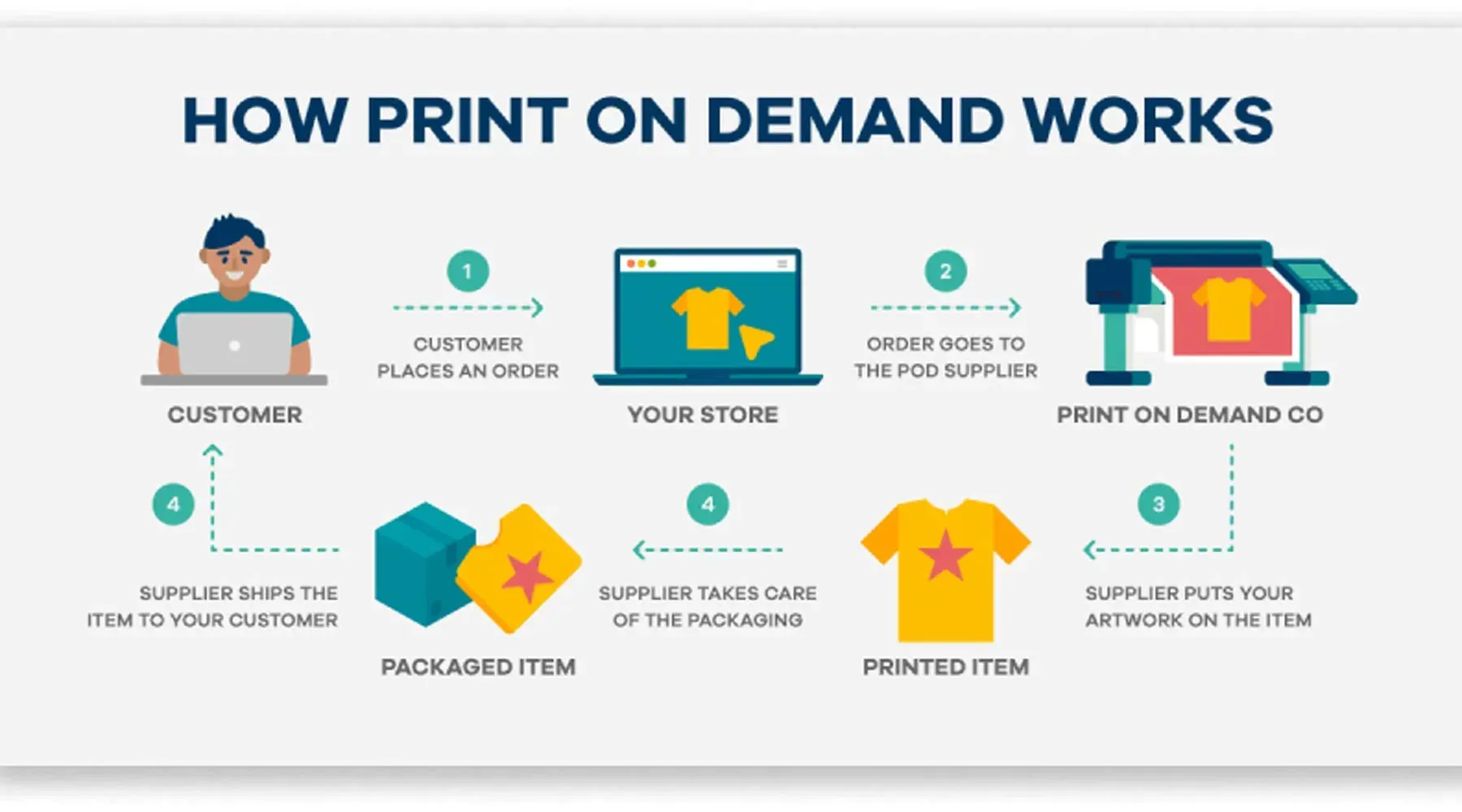
Print on Demand is a modern, low-risk way to turn creative ideas into physical products without holding inventory, giving solo creators and small teams a practical entry point into ecommerce.In this beginner-friendly overview, you’ll learn how to identify a smart niche through targeted keyword research and audience insights (niche selection), locate dependable POD suppliers, and design pricing strategies that protect margins while remaining attractive to buyers.
Print on Demand design is more than choosing a pretty image; it’s about understanding who you’re designing for, how your artwork translates to real products, and how thoughtful listing optimization turns curious viewers into loyal buyers across multiple platforms.By combining audience insight with branding discipline and production realities, you create work that resonates on a human level while remaining practical for transfer to apparel, mugs, phone cases, and home goods.
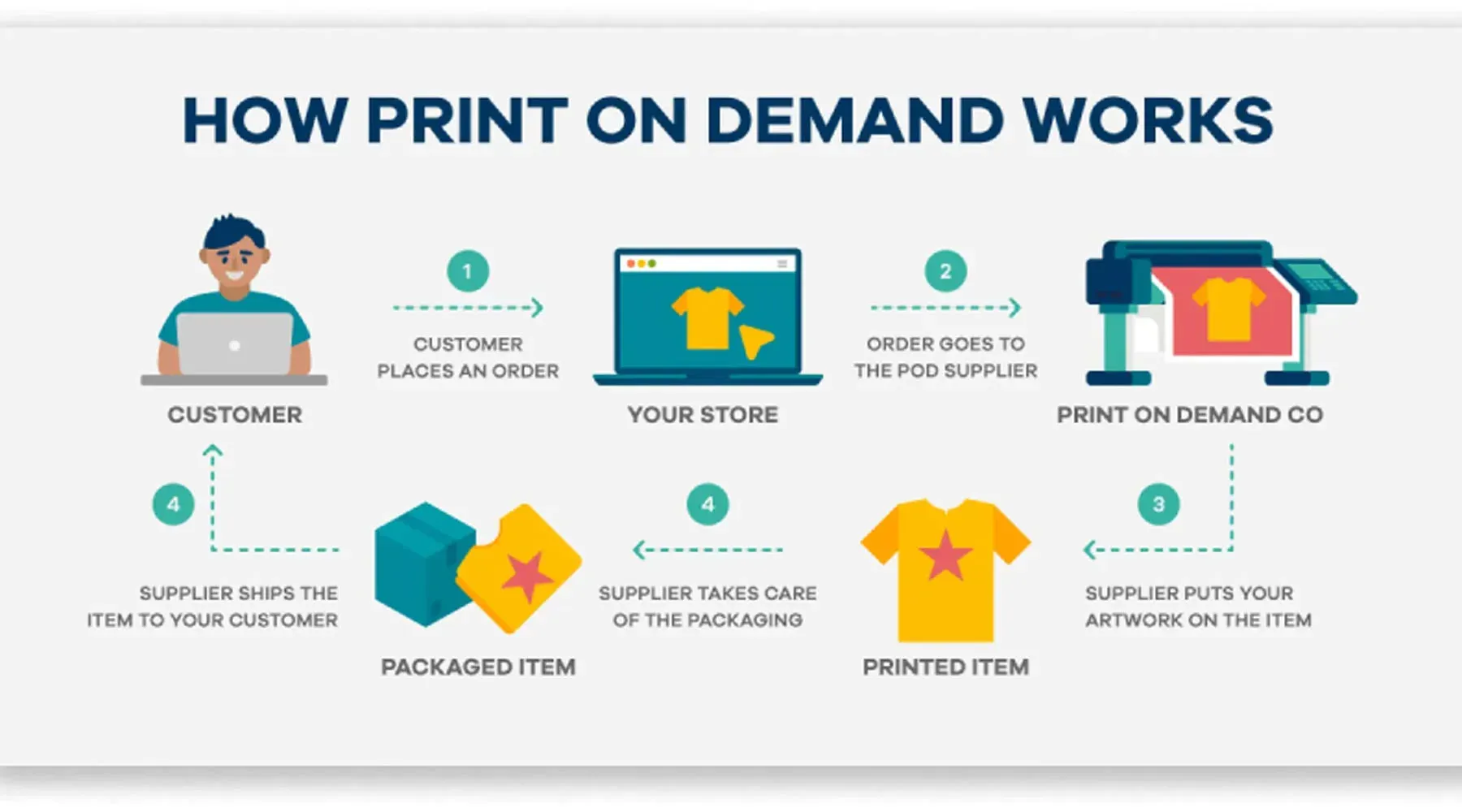
The print on demand workflow is the backbone of a successful POD business in today’s fast-paced e-commerce world, uniting design, production, and fulfillment from concept to customer.A clear understanding of POD process steps helps teams move efficiently from ideation to delivery, aligning with customer expectations.
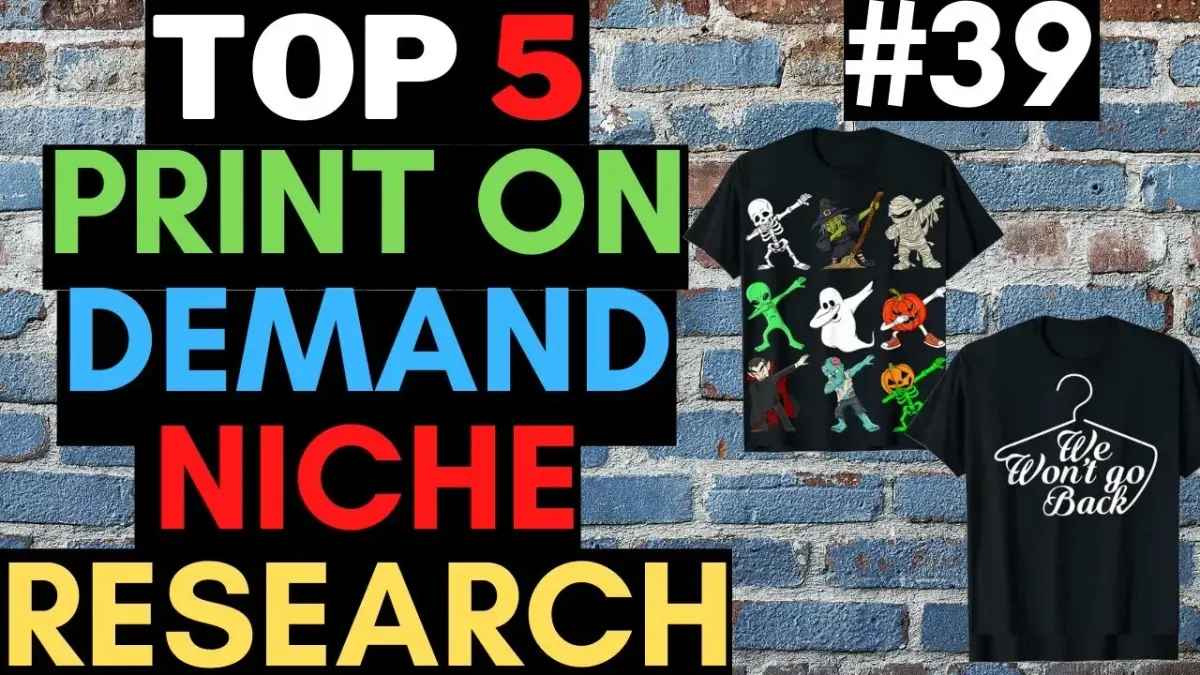
Niche research for print on demand is the compass you need to stand out in a crowded marketplace.This is more than chasing trends; it's about identifying a real audience and mapping your POD niche ideas through print on demand market research.
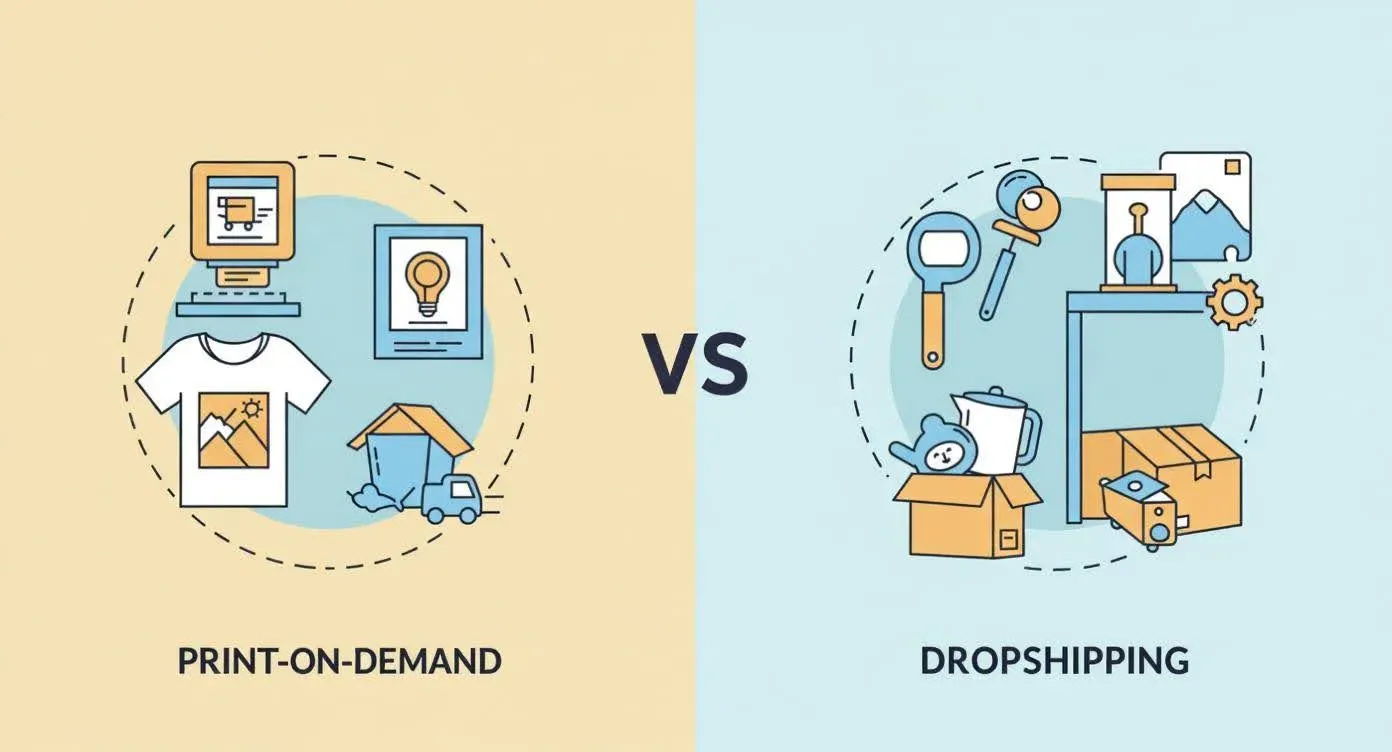
Print on Demand vs Dropshipping is a decision many ecommerce brands face as they map out branding, margins, and fulfillment.Both models let you sell without stocking large inventories, yet their workflows, costs, and customer experiences diverge in meaningful ways that shape your brand.
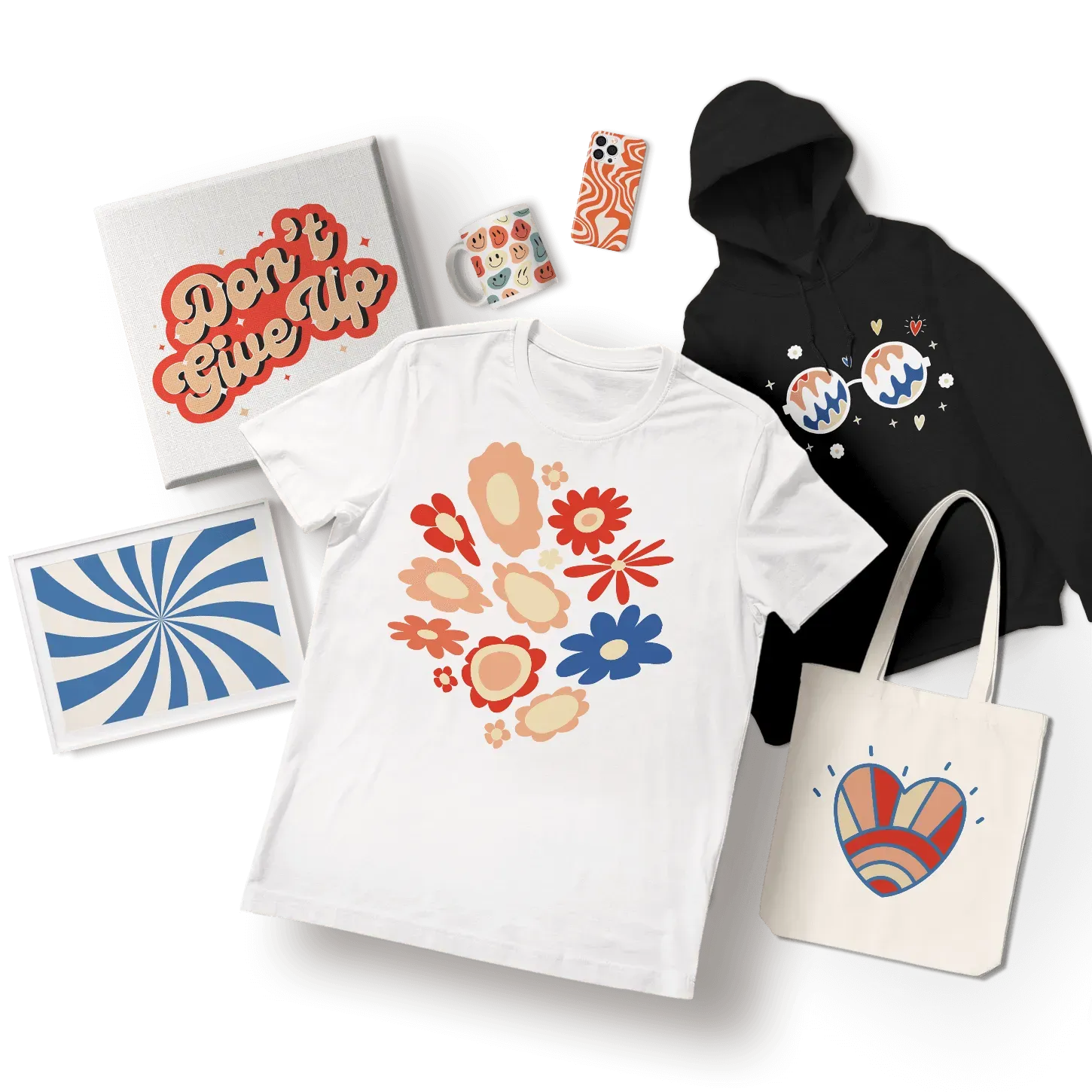
Print on Demand for Custom Gifts has emerged as a gateway to turning creativity into a scalable business.In a market hungry for unique, personalized items, POD lets creators design once and sell many.
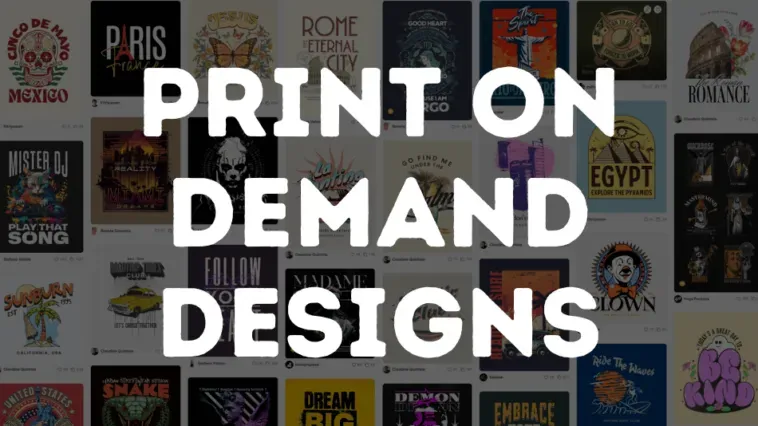
Design for Print on Demand is more than artwork; it’s a performance problem: how to create visuals that look stunning on shirts, mugs, phone cases, and tote bags while also persuading shoppers to buy.In this guide, you’ll discover print on demand design tips and POD design best practices to help you respect printing constraints, align with brand identity, and optimize conversions.
Print on Demand artwork specs are the blueprint that translates your creativity into production-ready products for shelves and screens.A solid understanding of file formats and color handling can help you minimize revisions and ensure consistent results across platforms.
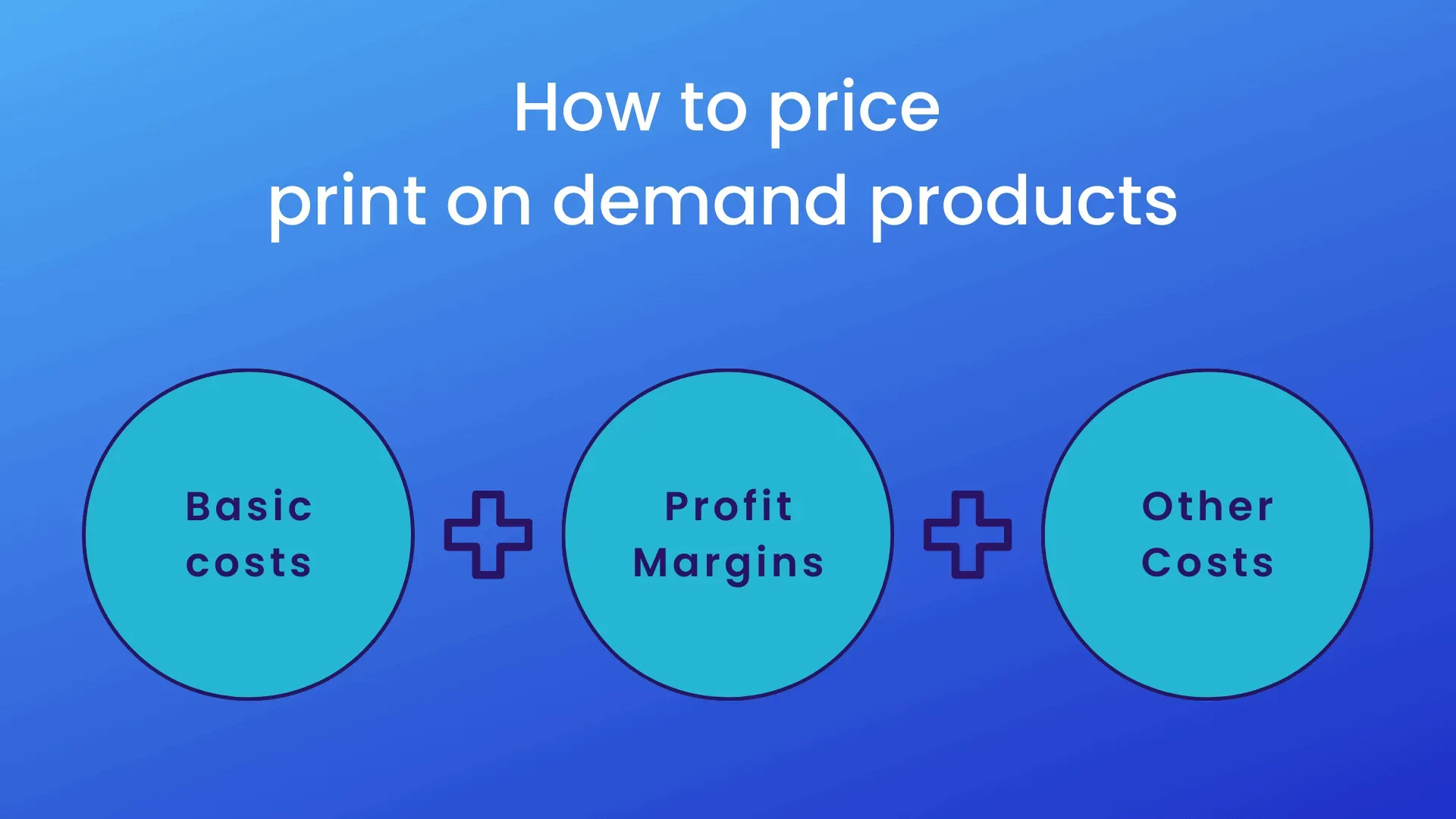
Print on Demand Pricing Strategies are about balancing costs with perceived value to sustain profits in a competitive market.This guide explains POD pricing as a practical path to profitability for creators.
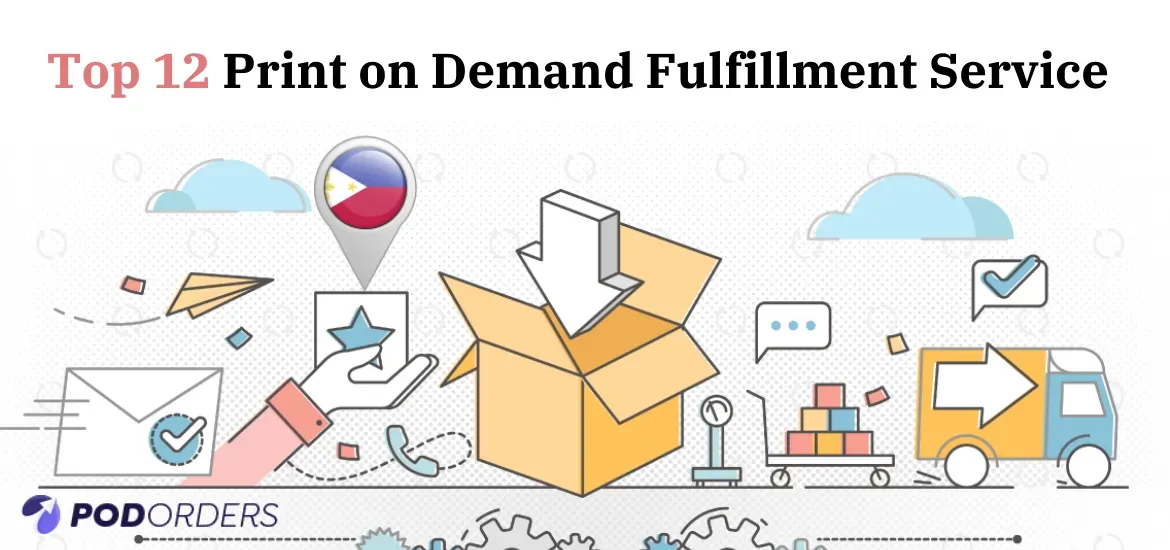
print on demand fulfillment has transformed how brands scale customized products while keeping inventory lean, enabling micro-brands and creators to experiment with limited runs, test new markets, and iterate designs based on real customer feedback for creators everywhere.In practice, this journey begins with meticulous planning and careful selection, as outlined in a POD fulfillment guide that helps you map workflows, set realistic production timelines, allocate resources efficiently, and align expectations across design, production, marketing, and delivery.
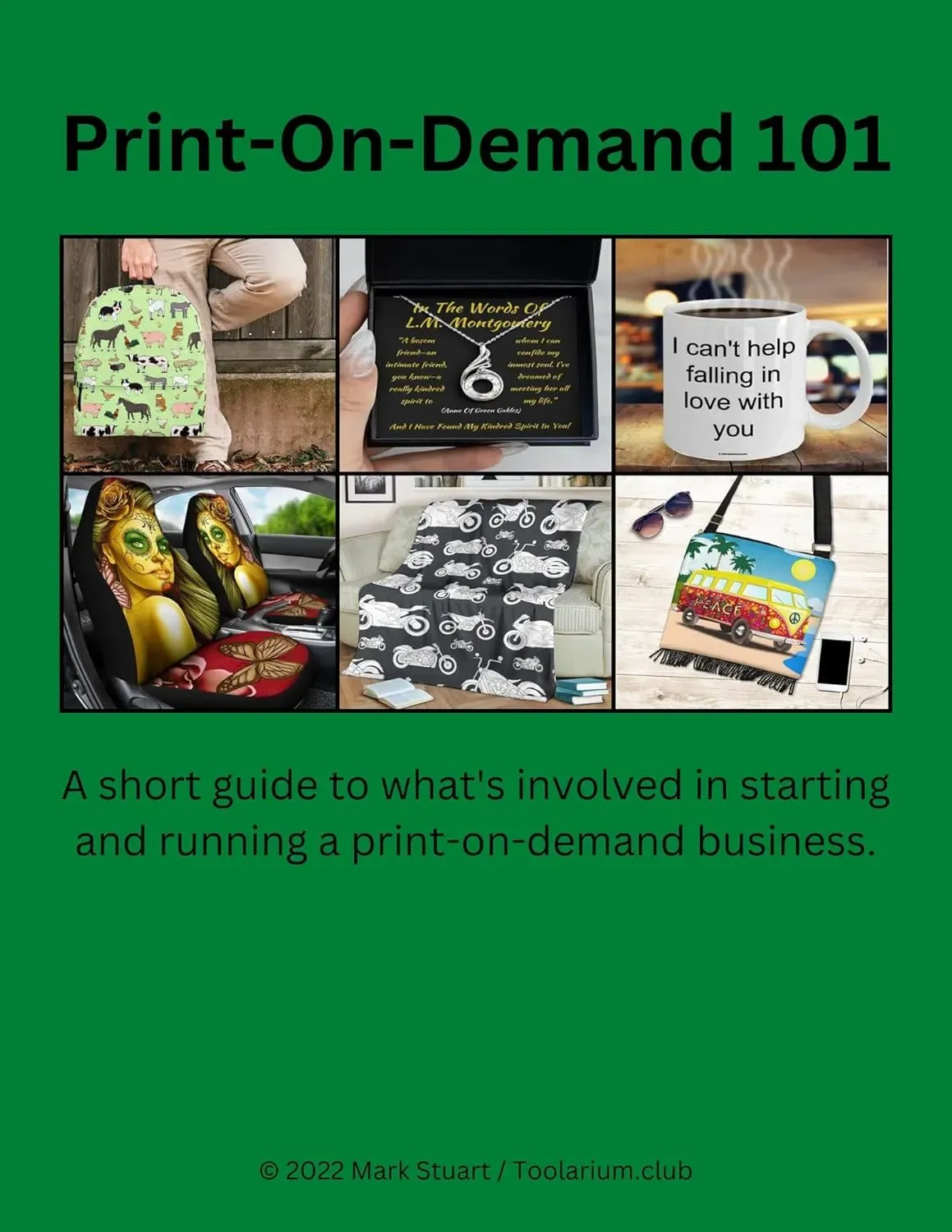
Print on Demand 101 is your practical doorway to launching an online business without inventory.For beginners, this model reduces upfront risk and makes it easier to test ideas and learn as you grow.
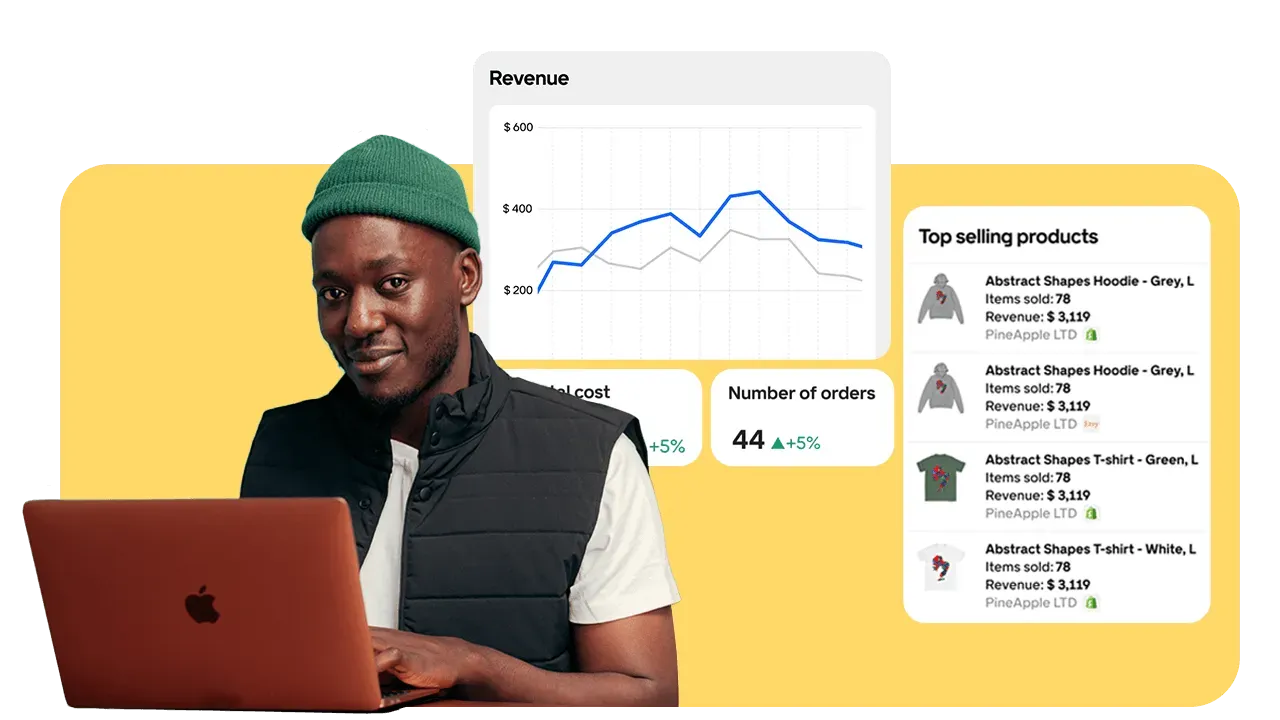
Print on Demand Analytics is more than a buzzword; it's a systematic framework for measuring every facet of a POD business so you can grow with confidence.By embracing POD analytics, you reveal how customers discover products, which designs perform, and how fast orders move through fulfillment, turning ideas into data-driven decisions.
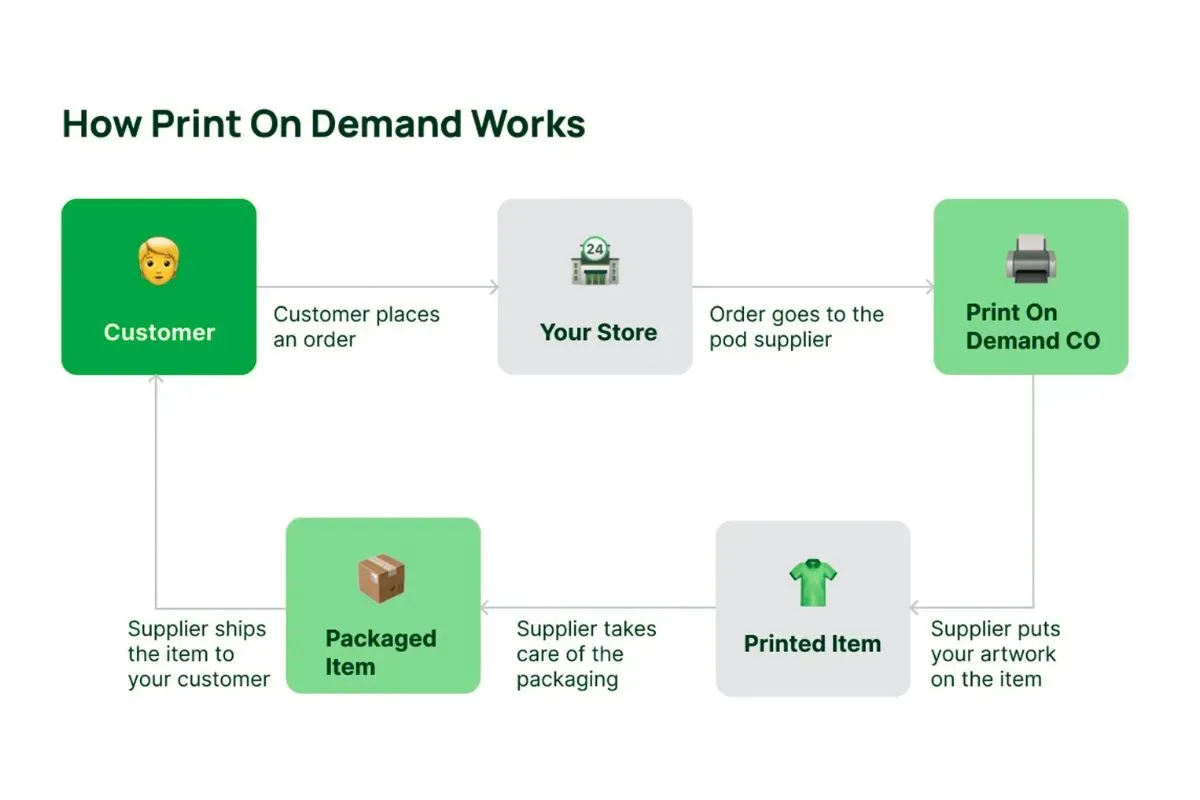
Print on Demand empowers creators to turn ideas into tangible products without maintaining stock, letting design-driven entrepreneurs publish apparel, accessories, and home goods with fulfillment triggered only after a customer places an order.If you're an artist, designer, or aspiring entrepreneur, this model makes it possible to monetize creativity by applying your designs to shirts, mugs, tote bags, and more, while you pay production costs post-purchase.
Print on Demand for Beginners offers a practical path to turning your creativity into a scalable business with no upfront inventory.This approachable model minimizes production hassles and guesswork, letting you test ideas and validate demand before committing significant capital.
Sustainable Print on Demand has moved from a trend to an essential approach for brands that want to align growth with responsibility.As consumer awareness grows, businesses of all sizes rethink how products are designed, produced, and delivered with a focus on eco-friendly materials POD and a transparent sustainable supply chain POD.
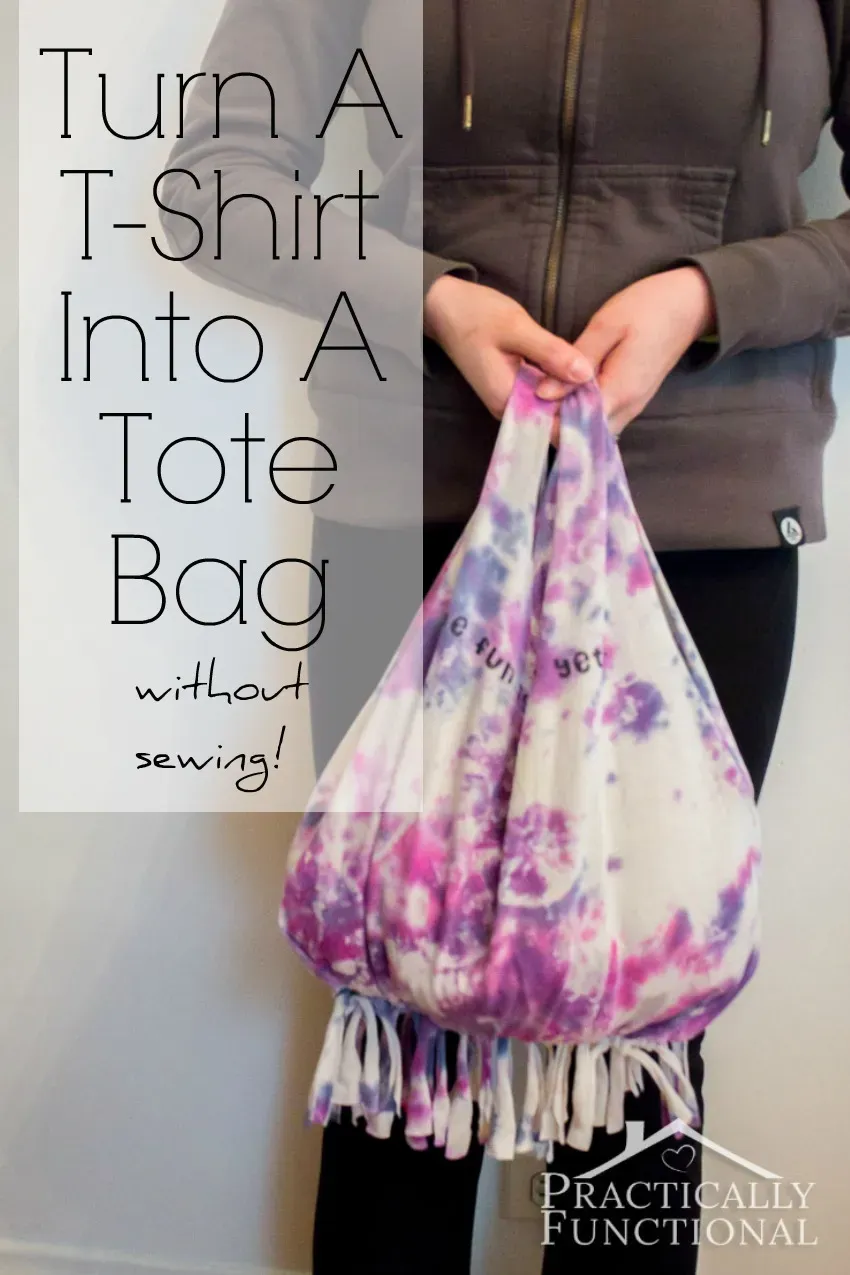
T-Shirts to Tote Bags marks a natural, profitable evolution for brands ready to expand beyond apparel.By extending your line, you leverage design assets, production networks, and trusted customer interest to unlock new revenue streams.
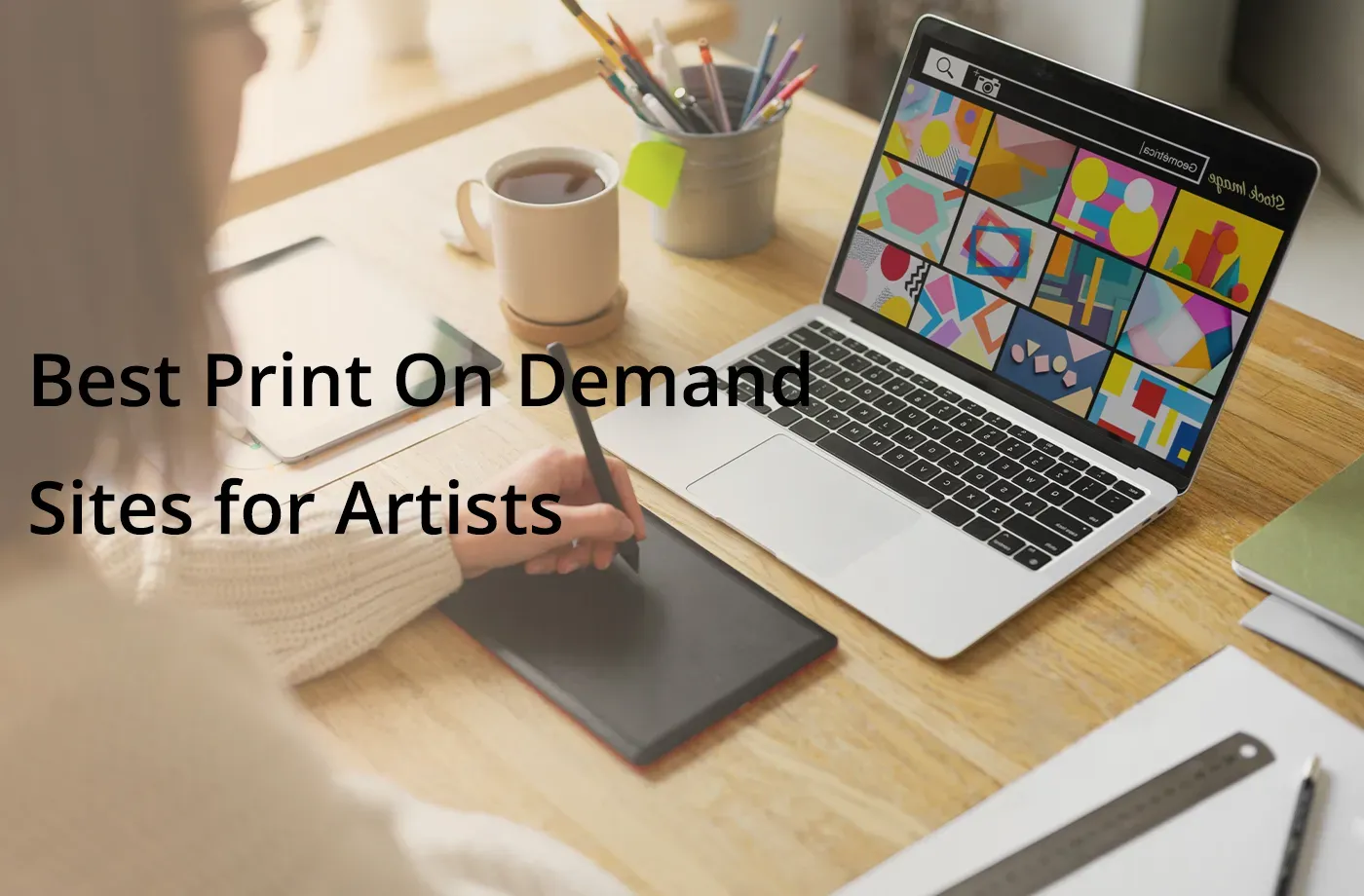
Print on Demand for Creatives opens a low-risk channel for artists to monetize their work without stocking inventory.POD for creatives lets you test designs across apparel, hats, mugs, and tote bags while production stays with trusted partners.
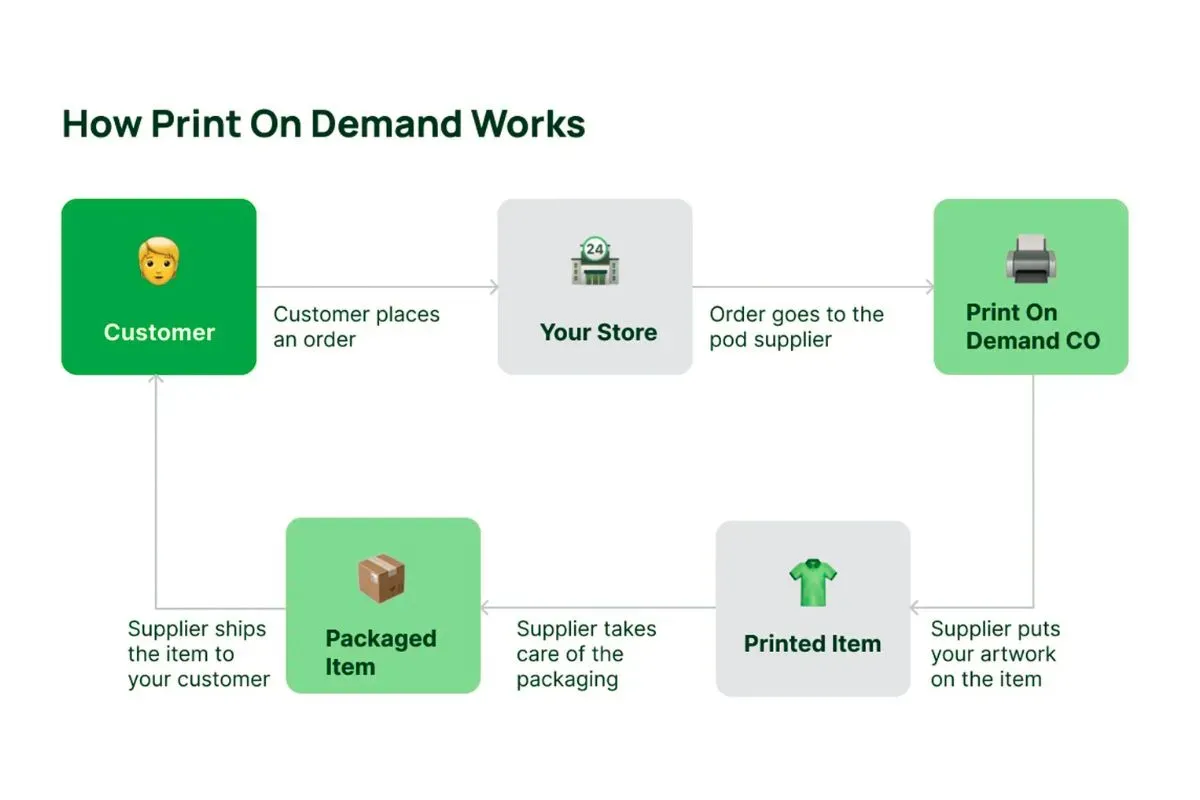
Print on Demand opens a dynamic, low-risk path for turning creativity into a scalable business that grows with demand rather than inventory.If you've ever wondered how creators sell custom apparel and home goods without upfront stock, this model makes it possible, even for a small, home-based venture.

Print on Demand case studies illuminate how real brands turn design into scalable profits by leveraging POD across diverse product lines, evaluating print partners, testing materials, and refining supply chains to grow revenue without the burden of upfront inventory or excessive risk.Reviewing these cases helps you map print on demand niche ideas, select promising products, validate pricing, and tailor marketing approaches that resonate with specific audiences while controlling costs and maintaining brand integrity.
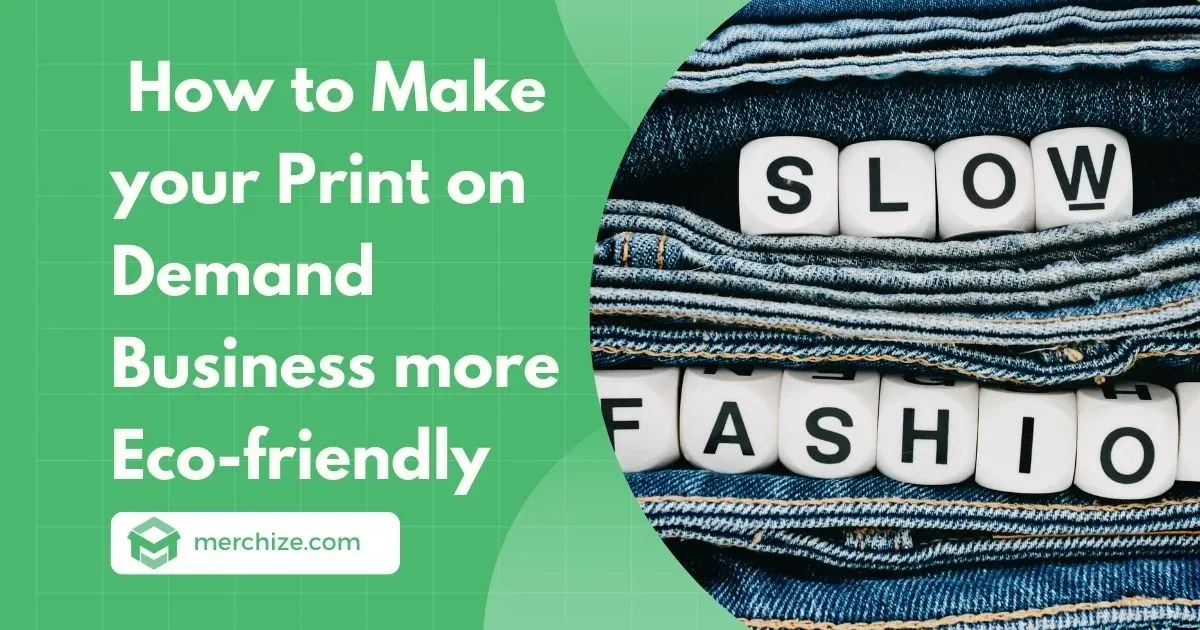
Sustainable Print on Demand is redefining how brands deliver customized products in today’s eco-conscious marketplace.By printing only what customers order, companies can dramatically cut waste, reduce excess inventory, and lower their environmental footprint.
Sustainable print on demand is redefining how brands balance style, speed, and responsibility in a crowded e-commerce landscape, turning ethical considerations into a competitive advantage that customers can feel.Consumers increasingly seek products that reflect environmental values, and eco-friendly print on demand helps brands stand out while cutting waste and improving transparency across sourcing and production.
Print on Demand 101 is a practical, beginner-friendly guide designed to help you launch a profitable merch brand from scratch.If you're curious about selling custom apparel and accessories without inventory, this overview explains the POD business model in a way that’s easy to act on.
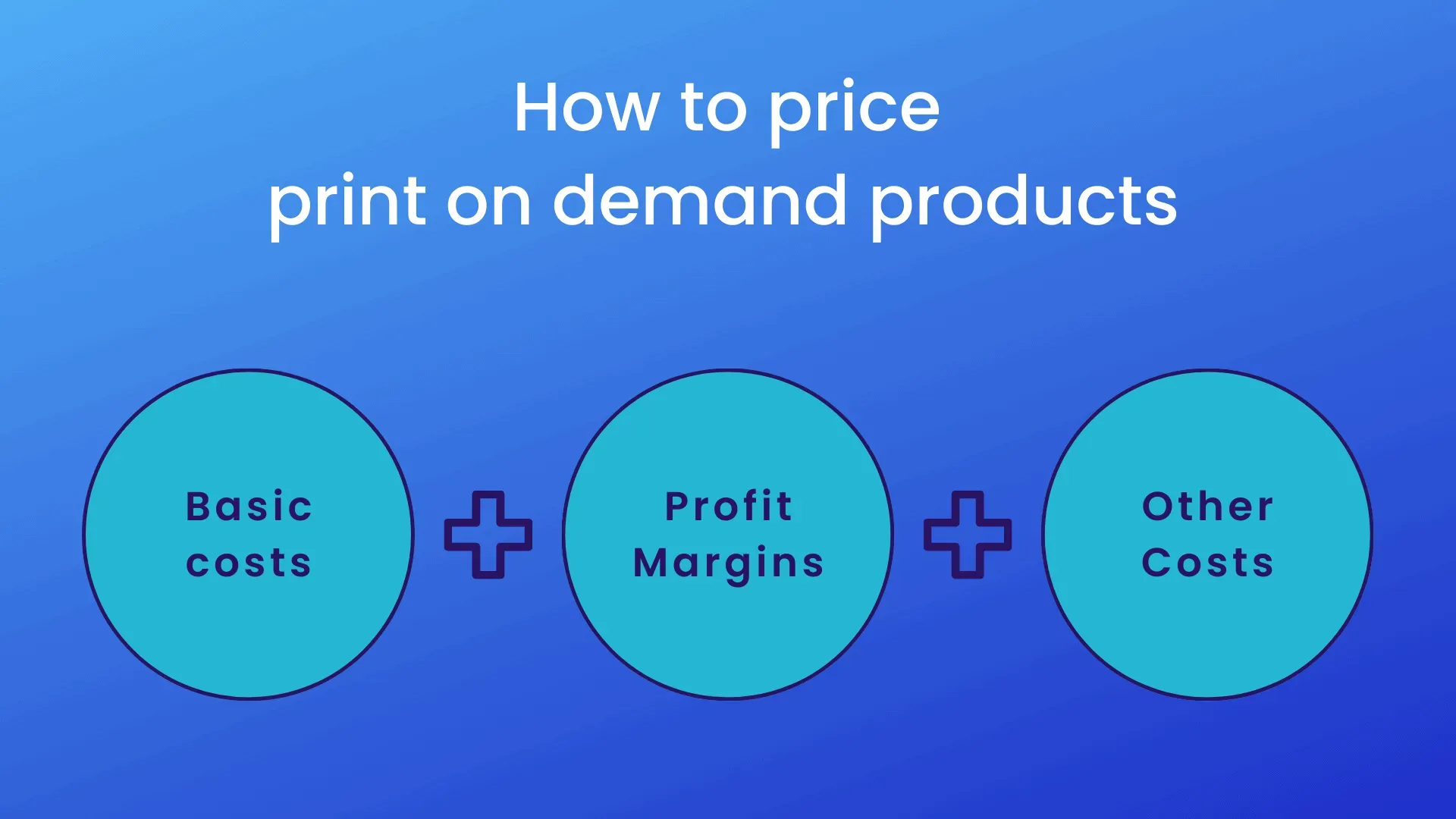
Print on Demand pricing strategies are not just about slapping a price on a product; they align value, production costs, and customer willingness to pay to maximize margins, while reflecting brand story, quality, and fulfillment reliability in every price point, and this framing helps teams prioritize experiments, align with stakeholders, and communicate pricing as a value story across channels.In the fast-evolving PoD marketplace, pricing becomes a strategic lever that sustains growth across product lines, seasons, and sales channels, influencing perceived value and buyer loyalty as trends shift, while demanding rigorous testing and disciplined monitoring of costs and outcomes, and performance data to inform ongoing adjustments.