
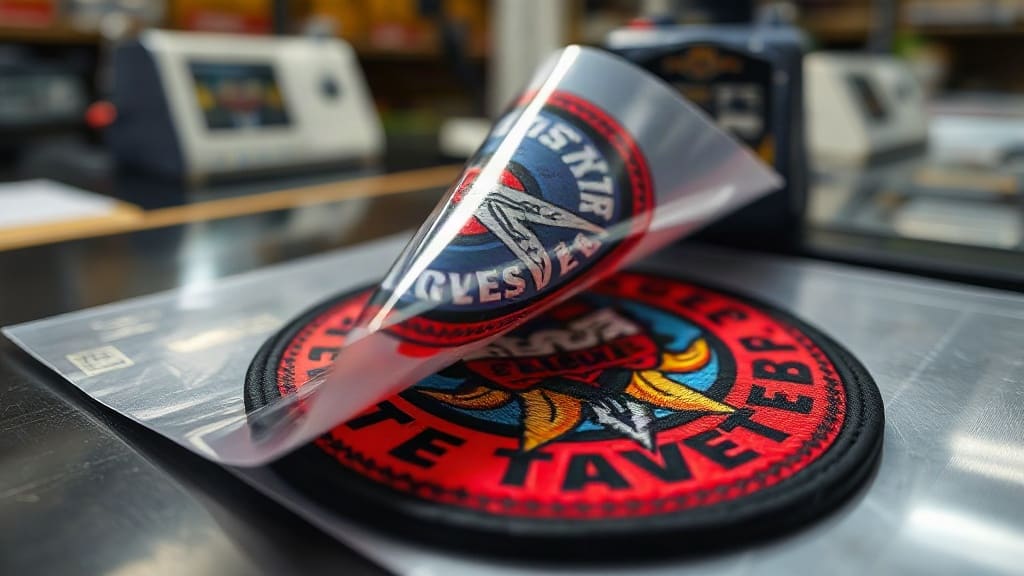
Custom patches have long been a staple for uniforms, clubs, and personal flair. But traditional methods often come with high minimums and limited detail. Enter DTF printing on demand, a technology that's reshaping how we create small-batch, high-quality patches. Whether you're a small business owner or a DIY enthusiast, understanding this process can unlock new creative possibilities.
What is DTF Printing?
DTF stands for Direct-to-Film. It's a printing method where your design is printed onto a special film, then coated with a powder adhesive and heat-pressed onto fabric. Unlike DTG (Direct-to-Garment) or screen printing, DTF works on a wide range of materials, including cotton, polyester, and blends. For patches, this means you can achieve intricate details and vibrant colors that were previously difficult or expensive to produce.
How DTF Works Step by Step
The process is surprisingly straightforward. First, your artwork is printed onto a PET film using specialized DTF inks. Then, a hot-melt powder is applied to the wet ink, and the film is cured. When you're ready to apply, you place the film on your patch material and heat-press it. The adhesive melts, bonding the ink to the fabric. After cooling, you peel away the film, leaving a durable, flexible print. This method is ideal for on-demand production because you can print one-offs or small batches without setup costs.
Why Choose DTF for Custom Patches?
There are several compelling reasons to consider DTF for your patch projects. Let's break them down.
No Minimum Order Quantities
Traditional patch manufacturers often require minimums of 50 or 100 pieces. With DTF printing on demand, you can order just one patch or a hundred. This is perfect for prototypes, personalized gifts, or small teams.
Unmatched Detail and Color
DTF printers can reproduce gradients, fine lines, and photographic images with stunning accuracy. Unlike embroidery, which struggles with small text and complex logos, DTF captures every nuance. Plus, the color range is vast, so your patches will pop.
Durability and Flexibility
When applied correctly, DTF prints are durable and withstand washing and wear. The ink is flexible, so it won't crack or peel easily. This makes DTF patches suitable for activewear, uniforms, and gear that sees heavy use.
Applications of DTF Patches
From fashion to function, DTF patches are incredibly versatile. Here are some popular uses:
- Branding: Add your logo to hats, jackets, or bags for a professional look.
- Personalization: Create custom patches for clubs, teams, or events.
- Merchandise: Sell unique patches at conventions or online.
- Repairs: Cover stains or holes with a stylish patch.
How to Get Started with DTF Printing on Demand
Ready to try DTF for your patches? Here's a simple roadmap.
1. Prepare Your Artwork
Ensure your design is high-resolution (300 DPI or higher) and in a compatible format like PNG or PDF. If you're not a designer, many services offer templates or design help.
2. Choose a Reputable Service
Look for a DTF printing service that offers on-demand production. Check reviews, turnaround times, and material options. Some services specialize in patches, which can simplify the process.
3. Select Your Patch Material
DTF works on various fabrics, but for patches, twill, canvas, or even leather-like materials are common. Consider the final application: will the patch be sewn on or ironed on? Some services offer adhesive backing.
4. Apply with Heat Press
If you're applying the patch yourself, you'll need a heat press. Follow the temperature, pressure, and time recommendations from your DTF supplier. Typically, it's around 300°F for 10-15 seconds.
Common Mistakes to Avoid
Even with a straightforward process, pitfalls exist. Here are a few to watch out for:
- Incorrect temperature: Too hot and the film may melt; too cool and the adhesive won't activate.
- Insufficient pressure: Uneven pressure leads to poor adhesion.
- Peeling too soon: Always wait for the patch to cool before peeling the film.
- Low-quality film: Cheap film can cause colors to fade or crack.
DTF vs. Other Patch Methods
How does DTF stack up against embroidery or sublimation? Embroidery is durable but limited in detail and color. Sublimation requires polyester and can't print white ink. DTF combines the best of both: detailed, colorful, and suitable for many fabrics. It's also more cost-effective for small runs.
Frequently Asked Questions
Can I wash DTF patches?
Yes, DTF patches are washable. Turn the garment inside out and machine wash cold. Avoid bleach and tumble dry low. Proper care extends the life of your patch.
What's the minimum order for DTF patches?
One of the biggest advantages of DTF printing on demand is that there's no minimum. You can order a single patch or thousands.
How long does DTF printing take?
Turnaround depends on the service. Some offer same-day printing, while others may take a few days. Shipping time is additional.
Can DTF patches be ironed on?
Yes, many DTF patches come with a heat-activated adhesive that can be applied with a home iron. However, a heat press yields more consistent results.
Is DTF environmentally friendly?
DTF inks are water-based and generally more eco-friendly than solvent-based alternatives. However, the film and powder do create some waste. Look for services that use sustainable practices.
With DTF printing on demand, creating custom patches has never been easier or more accessible. Whether you're a hobbyist or a business, this technology opens up a world of possibilities. So why wait? Start designing your perfect patch today.