
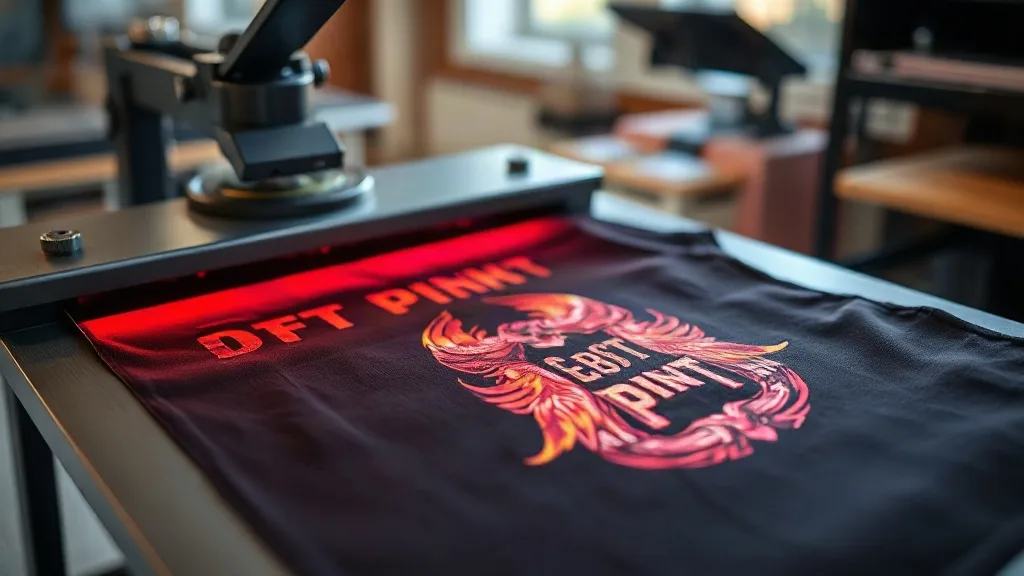
Custom apparel has never been more accessible, thanks to dtf transfers. Whether you're a small business owner looking to offer personalized shirts, a sports team needing matching jerseys, or an individual wanting to create unique gifts, DTF transfers provide a versatile and durable solution. In this guide, we'll explore what DTF transfers are, how they work, and why they might be the perfect choice for your next project.
What Are DTF Transfers?
DTF stands for Direct to Film. It's a printing technology where your design is printed onto a special film, then coated with a powder adhesive and cured. The resulting transfer can be applied to various fabrics using a heat press. Unlike other methods, dtf transfers work on both light and dark materials, including cotton, polyester, blends, and even some non-fabric items. The process involves printing a mirror image of your design onto the film, applying adhesive powder, and then transferring it to the substrate with heat and pressure.
The DTF Printing Process Step by Step
Understanding the DTF process helps you appreciate the quality and versatility of the transfers. Here's a breakdown of the steps involved:
- Design Preparation: Your artwork is prepared digitally, ensuring it's high resolution and properly formatted. The design is printed in reverse (mirror image) onto the film.
- Printing: A specialized DTF printer uses pigment-based inks to print the design onto a PET film. White ink is often used as a base to make colors pop on dark fabrics.
- Powder Application: While the ink is still wet, a hot-melt adhesive powder is applied evenly over the design. The excess powder is shaken off.
- Curing: The film with the powder is then heated to melt the powder, creating a solid, flexible adhesive layer.
- Transfer: The cured film is placed on the fabric and pressed with a heat press at a specific temperature and pressure for a set time. After cooling, the film is peeled away, leaving the design bonded to the fabric.
Why Choose DTF Transfers for Your Projects?
DTF transfers offer numerous advantages over other decoration methods like screen printing, vinyl, or DTG. Here are some key benefits:
- Vibrant Colors: DTF transfers produce bright, opaque colors that stand out on any fabric color, especially dark garments.
- Durability: When applied correctly, DTF transfers are highly durable and can withstand repeated washing without cracking or fading.
- Versatility: They work on a wide range of materials, including cotton, polyester, blends, and even some non-fabric items like canvas bags and hats.
- No Weeding: Unlike vinyl, DTF transfers don't require weeding, saving time and effort, especially for intricate designs.
- Cost-Effective for Small Runs: DTF is economical for short runs and one-offs, as there's no need for screens or setup fees.
- Soft Feel: The transfers have a soft hand feel and stretch with the fabric, making them comfortable to wear.
Applications of DTF Transfers
DTF transfers are incredibly versatile and can be used for a variety of applications. Here are some popular uses:
- Custom T-Shirts: Create personalized t-shirts for events, teams, or businesses.
- Sportswear: Add numbers, names, and logos to jerseys and athletic wear.
- Promotional Items: Brand tote bags, hats, and other merchandise.
- Fashion and Streetwear: Produce small-batch clothing lines with intricate designs.
- Home Decor: Personalize pillows, aprons, and other fabric items.
How to Apply DTF Transfers
Applying DTF transfers is straightforward with a heat press. Here's a general guideline (always follow the specific instructions provided by your transfer supplier):
- Preheat the Fabric: Press the garment for a few seconds to remove moisture and wrinkles.
- Position the Transfer: Place the transfer film on the fabric with the design facing up (adhesive side down).
- Press: Set your heat press to the recommended temperature (usually around 300-325°F) and pressure (medium to firm). Press for 10-15 seconds.
- Peel: Allow the transfer to cool completely (cold peel) or peel while hot (hot peel) as per instructions. Cold peel is common for DTF.
- Post-Press: For best durability, press again for a few seconds with a Teflon sheet or parchment paper to ensure the adhesive fully bonds.
Finding Quality DTF Transfers Near You
If you're looking for dtf transfers near me, you're in luck. Many local print shops and online suppliers offer DTF transfer services. When choosing a supplier, consider the following:
- Quality of Materials: Ensure they use high-quality films and inks for vibrant, long-lasting results.
- Turnaround Time: Check how quickly they can produce and ship your order.
- Customer Reviews: Look for testimonials or reviews to gauge reliability.
- Design Support: Some suppliers offer help with file preparation.
- Pricing: Compare costs, but don't sacrifice quality for a lower price.
For those in the USA, embpatchesusa.com is a trusted source for DTF transfers and other custom apparel solutions. They offer high-quality transfers with fast shipping and excellent customer service.
DTF vs. Other Printing Methods
How does DTF stack up against other common decoration methods? Here's a quick comparison:
- DTF vs. Screen Printing: Screen printing is cost-effective for large orders but requires setup and is limited to certain fabrics. DTF is better for small runs and complex designs with many colors.
- DTF vs. DTG: DTG (Direct to Garment) is great for cotton but less effective on polyester and dark colors. DTF works on almost any fabric and produces vibrant colors on darks.
- DTF vs. Vinyl: Vinyl is durable but limited to simple designs and requires weeding. DTF handles intricate designs without weeding and has a softer feel.
- DTF vs. Sublimation: Sublimation requires polyester or poly-coated items and doesn't work on dark colors. DTF works on cotton and darks.
Tips for Best Results with DTF Transfers
To ensure your DTF transfers look great and last long, follow these tips:
- Store Transfers Properly: Keep unused transfers in a cool, dry place away from direct sunlight.
- Pre-Press Fabric: Always pre-press to remove moisture and wrinkles.
- Use the Right Pressure: Too little pressure can cause poor adhesion; too much can cause the design to spread.
- Cool Peel: Most DTF transfers require cooling before peeling for best results.
- Wash Inside Out: To prolong the life of the transfer, wash garments inside out in cold water and tumble dry low.
Frequently Asked Questions About DTF Transfers
How long do DTF transfers last?
With proper application and care, DTF transfers can last as long as the garment itself. They are resistant to cracking, fading, and peeling when washed inside out and dried on low heat.
Can I use DTF transfers on 100% polyester?
Yes, DTF transfers work well on polyester and polyester blends. The low temperature application makes them suitable for heat-sensitive fabrics.
Do I need a special printer for DTF transfers?
Yes, DTF requires a dedicated DTF printer and specialized inks and film. However, you can purchase pre-printed transfers from suppliers and apply them with a standard heat press.
What is the best way to store DTF transfers?
Store DTF transfers in a cool, dry place, away from direct sunlight and moisture. Keep them flat or rolled, not folded, to prevent creases.
Can DTF transfers be applied to dark colors?
Absolutely. DTF transfers are excellent for dark fabrics because the white ink base ensures vibrant colors that stand out.
Whether you're a hobbyist or a professional, DTF transfers offer a reliable and versatile way to bring your designs to life. With the right supplies and techniques, you can achieve professional-quality results that impress.