
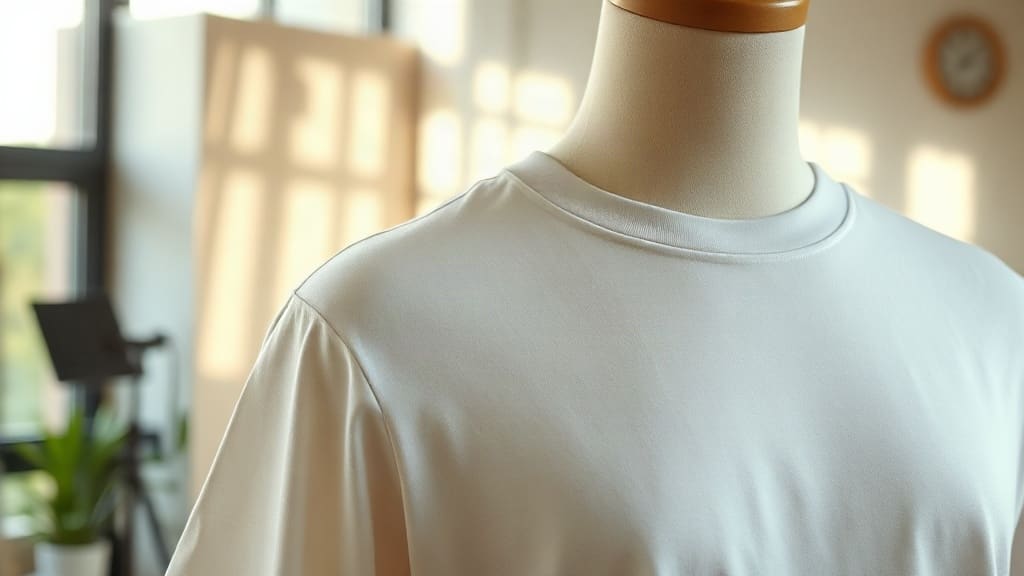
When you first hear the term smart blanks, you might picture a t-shirt with a built-in battery or a hoodie that tracks your heart rate. But in the world of custom apparel, smart blanks mean something different—and arguably more useful. They are garments engineered with the decorator in mind: fabrics that take to printing, embroidery, and heat transfers better than standard blanks, while offering superior comfort and durability. As someone who has spent years working with screen printers, embroiderers, and DTF enthusiasts, I've seen firsthand how the right blank can make or break a custom order. In this article, I'll share what makes smart blanks special, how to choose them, and why brands like shaka wear are leading the charge in this space.
What Exactly Are Smart Blanks?
Smart blanks are not just any t-shirt or hoodie. They are garments designed with specific features that enhance decoration and wearability. Think of them as the canvas for your artwork—if the canvas is poor, the final piece suffers. Smart blanks typically have:
- Optimized fabric blends that hold ink and thread without distortion.
- Consistent stitching and sizing to reduce waste during production.
- Moisture-wicking or antimicrobial properties for added value.
- Reinforced seams and hems to withstand the heat press or embroidery machine.
These features might sound simple, but they make a huge difference when you're producing hundreds of pieces. I remember a client who switched to smart blanks after experiencing a 30% defect rate with regular blanks. The change saved their project and their sanity.
Why Smart Blanks Matter for Customization
DTF Transfers and Smart Blanks: A Perfect Match
DTF transfers have exploded in popularity because they allow for full-color, detailed designs without the setup costs of screen printing. However, not all blanks are created equal when it comes to DTF. A smart blank with a tight weave and smooth surface ensures that the transfer adheres evenly and doesn't peel after a few washes. I've tested DTF on various blanks, and the difference is night and day. On a smart blank, the print feels like part of the fabric; on a cheap blank, it sits on top and cracks.
Embroidery and Screen Printing
Embroidery requires a stable fabric that won't pucker. Smart blanks often have a higher thread count or a stabilizer-friendly construction, which means your logo stitches out cleanly. Similarly, screen printing demands a smooth, consistent surface for precise ink deposit. Smart blanks deliver that consistency, reducing the need for reprints.
Key Features to Look for in Smart Blanks
Not all blanks labeled "smart" are created equal. Here's what to check before you buy:
- Fabric content: Look for combed cotton, ring-spun cotton, or performance blends. These are softer and more durable.
- Weight: Midweight (5.5–6.5 oz) is versatile for both printing and embroidery. Heavyweight (7+ oz) is great for hoodies and workwear.
- Colorfastness: Ensure the dye won't bleed when heat is applied.
- Shrinkage: Pre-shrunk fabrics are a must to avoid size surprises.
- Supplier reputation: Brands like shaka wear have built a name for consistency and quality.
Shaka Wear: A Case Study in Smart Blanks
Shaka wear has become a go-to for many decorators because their blanks are designed with the end product in mind. Their t-shirts, for example, feature a tight knit that holds up to DTF transfers and embroidery alike. I've used their 7.5 oz heavyweight tees for a streetwear brand, and the results were impressive—no warping, no fading, and the prints stayed vibrant after multiple washes. What sets shaka wear apart is their attention to detail: reinforced shoulder seams, double-needle hems, and a fit that appeals to modern consumers.
How to Choose the Right Smart Blank for Your Project
Selecting the right blank depends on your decoration method and target audience. Here's a quick guide:
- For DTF transfers: Choose a blank with a smooth, tight weave and a poly-cotton blend if you want vibrant colors.
- For embroidery: Opt for a stable fabric like 100% cotton or a cotton-poly blend with a stable backing.
- For screen printing: A standard 100% cotton tee works well, but smart blanks offer better consistency.
- For performance wear: Look for moisture-wicking smart blanks with antimicrobial properties.
Always order samples first. Test your decoration method on the blank before committing to a large order. This step has saved me from many headaches.
The Future of Smart Blanks
As customization technology evolves, so will smart blanks. We're already seeing blanks with embedded NFC tags for authentication, and fabrics that change color with temperature. While these are still niche, they point to a future where the blank itself becomes a feature. For now, the focus remains on durability, comfort, and decoration-friendly surfaces. Brands that invest in smart blanks are positioning themselves for success as the demand for personalized apparel continues to grow.
Frequently Asked Questions About Smart Blanks
What are smart blanks and how are they different from regular blanks?
Smart blanks are garments engineered with features that enhance decoration and wearability, such as optimized fabric blends, consistent stitching, and moisture-wicking properties. Unlike regular blanks, they are designed specifically for customization methods like DTF transfers and embroidery, reducing defects and improving the final product.
Can I use DTF transfers on any smart blank?
Most smart blanks are compatible with DTF transfers, but it's essential to check the fabric content. Blends with a high cotton percentage work well, but for best results, choose blanks with a smooth, tight weave. Always test a sample first to ensure adhesion and durability.
Why is Shaka Wear considered a top choice for smart blanks?
Shaka wear is known for its consistent quality, durable fabrics, and decoration-friendly construction. Their blanks hold up well to various printing and embroidery techniques, making them a favorite among custom apparel professionals.
How do I prevent shrinkage and fading in custom apparel?
Start with pre-shrunk smart blanks from reputable brands. Follow the care instructions, and use proper heat settings during decoration. Washing inside out in cold water and avoiding high heat in the dryer will also extend the life of your prints.
Are smart blanks more expensive than regular blanks?
Smart blanks often come at a slight premium, but the reduced defect rates and improved customer satisfaction usually outweigh the extra cost. Think of it as an investment in your brand's reputation.