
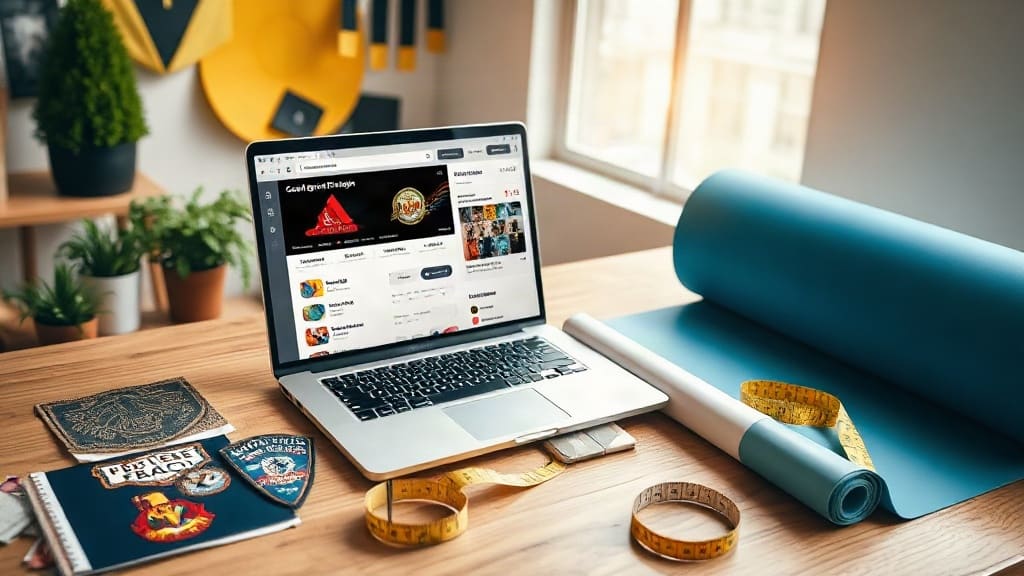
Starting a print on demand business has become one of the most accessible ways to enter the world of ecommerce. With low upfront costs and no inventory management, it attracts creative entrepreneurs who want to sell personalized products. Among the many product categories, custom patches and custom banner offer unique opportunities for branding, self-expression, and event decoration. In this guide, we will walk you through the essential steps to build a profitable print on demand venture focused on these two versatile products.
The beauty of print on demand is that you don't need a warehouse or a large budget. You design, and a supplier prints and ships directly to your customers. This model eliminates guesswork and reduces financial risk. However, success requires careful planning and execution. We will cover everything from niche selection and design creation to supplier vetting and marketing strategies.
Why Choose Custom Patches and Banners in Print on Demand
Before diving into the how-to, let's understand why these products are worth your attention. Custom patches have a nostalgic appeal and are used by scouts, military personnel, bikers, and fashion enthusiasts. They add a personal touch to jackets, bags, and uniforms. On the other hand, custom banners serve practical purposes in events, businesses, and home decor. They are eye-catching and essential for promotions, birthdays, and conferences.
Both products share common traits: they are highly customizable, relatively low-cost to produce, and have broad market appeal. By combining them in your store, you can attract a diverse customer base. Moreover, print on demand technology has improved, allowing for high-quality embroidery and vivid printing on various materials.
Finding Your Niche
The first step is to define your target audience. A niche helps you focus your designs and marketing efforts. Consider these possibilities:
- Sports fans: custom patches for team jerseys, banners for tailgate parties.
- Pet lovers: patches with pet portraits, banners for pet events.
- Small businesses: branded patches for employee uniforms, promotional banners.
- Weddings and events: custom patches as favors, banners for decorations.
- Hobbies and passions: patches for hiking, camping, gaming, or music.
Research your chosen niche using tools like Google Trends, social media groups, and competitor analysis. Look for gaps in the market. For instance, if you notice that existing stores lack quirky or humorous patch designs, you can fill that void.
Designing Your Custom Patches and Banners
Design is the heart of your products. Even with a print on demand model, your designs must stand out. You have two options: design yourself using software like Adobe Illustrator or Canva, or hire freelance designers from platforms like Fiverr or 99designs.
When creating designs, consider the following:
- Simplicity: Intricate details may get lost in embroidery or small prints.
- Color contrast: Ensure your design stands out against the background color of the patch or banner.
- Size and shape: Patches come in various sizes; your design should scale well. Banners need to be readable from a distance.
- Trends: Stay updated with current trends in aesthetics, such as retro or minimalism.
Before production, always order samples. This step allows you to check the quality of stitching or printing, colors, and materials. Adjust your designs if necessary.
Choosing the Right Print on Demand Supplier
Your supplier can make or break your business. Reliable partners ensure quality and timely delivery. For custom patches, look for suppliers that specialize in embroidery and offer a variety of shapes, borders, and backings (like iron-on, Velcro, or sew-on). For custom banner, check if they provide different materials (vinyl, mesh, fabric) and finishing options (hemmed edges, grommets, pole pockets).
Consider these factors:
- Production time: Fast turnaround is crucial for customer satisfaction.
- Shipping options: International shipping is a plus.
- Pricing: Balance between profit margins and competitive pricing.
- Reviews and reputation: Read reviews from other sellers.
Popular print on demand platforms include Printful, Printify, and Gooten, but for specialized products, you might need dedicated suppliers. Ensure they integrate with your ecommerce platform, such as Shopify or Etsy.
Setting Up Your Online Store
Choose a platform that suits your technical skills and budget. Shopify is user-friendly, while WooCommerce offers more flexibility. Alternatively, you can sell on marketplaces like Etsy or Amazon, which already have high traffic. Your store should reflect your brand identity.
Key elements of your store:
- High-quality product images: Use mockups to show how patches look on apparel or how banners appear in an event.
- Detailed product descriptions: Include size, material, and use cases.
- Clear pricing and shipping information.
- Customer reviews and testimonials to build trust.
Optimize your store for search engines by using relevant keywords in your product titles and descriptions. This step is essential for driving organic traffic.
Marketing Your Print on Demand Business
Once your store is live, you need to attract customers. Utilize a mix of strategies:
Social Media Marketing
Platforms like Instagram, TikTok, and Pinterest are visual-centric and perfect for showcasing your patches and banners. Post engaging content such as behind-the-scenes of the design process, customer photos, and styling ideas. Use relevant hashtags to increase reach.
Email Marketing
Build an email list from the start. Offer a discount in exchange for sign-ups. Send newsletters with new designs, special offers, and content like how to style patches or choose a banner.
Influencer Collaborations
Partner with influencers in your niche. For instance, a fashion blogger can feature your patches, or an event planner can showcase your banners. Their endorsement can drive sales.
SEO and Content Marketing
Start a blog on your website with topics related to custom patches and banners. Write about how to care for patches, creative uses for banners, or trends in custom merchandise. This content helps you rank in search engines and establishes your authority.
Handling Orders and Customer Service
With print on demand, the supplier handles fulfillment, but you are responsible for order management and customer inquiries. Ensure you set clear expectations regarding production and shipping times. Respond to queries promptly and professionally. Handle returns and disputes gracefully to maintain a positive reputation.
Monitor your orders regularly to ensure they are processed correctly. If a customer receives a defective item, offer a replacement or refund promptly. Good customer service leads to repeat business and referrals.
Scaling Your Business
As your sales grow, consider expanding your product range or automating processes. Use analytics to identify best-selling designs and replicate their success. Introduce complementary products like custom embroidered caps or canvas totes. You can also explore wholesale opportunities if you can handle bulk orders.
Invest in advertising campaigns on Facebook or Google to reach a wider audience. Test different ad creatives and targeting to optimize your return on investment.
Frequently Asked Questions
What is the minimum order quantity for custom patches and banners?
Many print on demand suppliers have no minimum order quantity, which is great for beginners. However, some may offer discounts for bulk orders. Always check with your chosen supplier.
Can I use my own designs for print on demand products?
Yes, you must ensure you have the rights to use the designs. If you create your own, you are good. If you hire a designer, make sure you get the full copyright transfer.
How long does it take to receive a sample?
Sample production typically takes 5-10 business days, plus shipping time. Order your samples well in advance to avoid delays in launching your store.
Are custom patches and banners profitable in print on demand?
Yes, they can be profitable. The key is to price your products correctly, considering production costs, shipping, and your desired profit margin. Market them effectively to create demand.
What are the best materials for custom banners?
Vinyl is durable and waterproof, ideal for outdoor use. Fabric banners (like polyester) are more elegant and suitable for indoor events. Mesh banners are great for windy areas. Choose based on your customer's needs.
Starting a print on demand business with custom patches and banners is a rewarding venture. With the right strategy, you can turn your creativity into a steady income. Focus on quality, customer experience, and continuous improvement, and you will build a brand that stands out in a crowded market.