
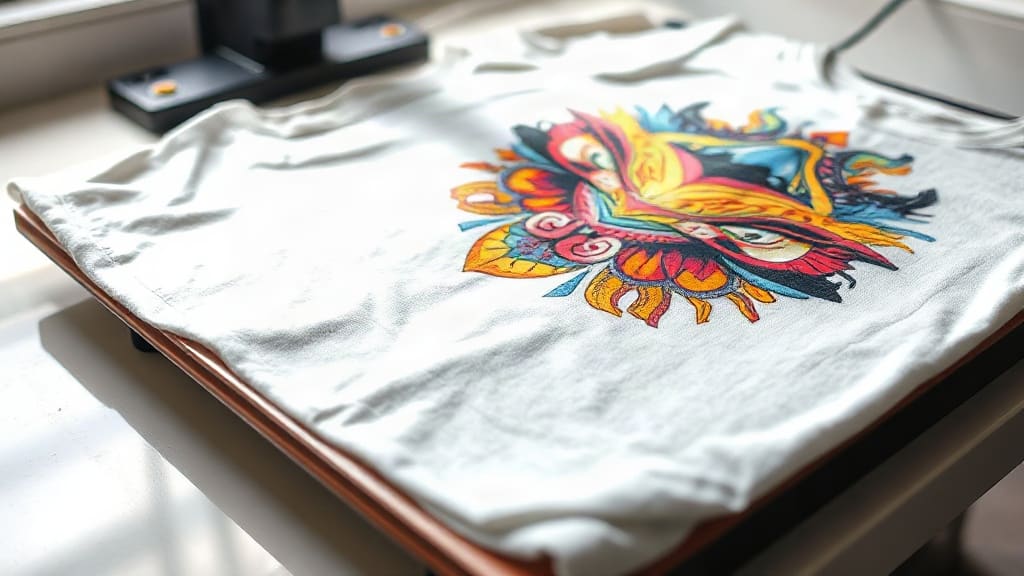
When it comes to decorating apparel with custom designs, DTF printing has emerged as a game-changer for small businesses, crafters, and anyone looking to add a personal touch to garments. Unlike traditional methods, DTF (Direct to Film) printing offers incredible versatility, vibrant colors, and durability that can withstand repeated wear and washing. Whether you're running a print-on-demand shop or creating team uniforms, understanding DTF printing can open up a world of possibilities. In this guide, we'll walk you through everything you need to know about DTF printing, from the basics to pro tips, so you can create stunning custom apparel with confidence.
What is DTF Printing?
DTF printing, or Direct to Film, is a digital printing technique where your design is printed onto a special film, coated with a powder adhesive, and then heat-pressed onto fabric. This process allows for full-color, high-detail prints on a wide range of materials, including cotton, polyester, blends, and even nylon. Unlike DTG (Direct to Garment) printing, which requires pre-treatment and works best on 100% cotton, DTF printing adheres to almost any fabric, making it a favorite for diverse apparel projects.
The magic of DTF lies in its simplicity and efficiency. You start by printing your design onto a PET film using specialized DTF inks. Then, a powdered hot-melt adhesive is applied to the wet ink, and the film is cured. When you're ready to apply it to a garment, you simply heat press the film, peel it off, and voila! Your design is permanently bonded to the fabric. This method eliminates the need for cutting and weeding like vinyl, and it's far more durable than iron-on transfers.
Why Choose DTF Printing for Your Custom Apparel?
There are several compelling reasons why DTF printing has become a go-to for apparel decorators. Let's explore the key benefits that set it apart from other printing methods.
Unmatched Versatility
One of the biggest advantages of DTF printing is its ability to work on virtually any fabric. Whether you're printing on 100% cotton t-shirts, polyester athletic wear, or even canvas bags, DTF delivers consistent results. This versatility means you don't have to stock multiple types of transfer materials or turn away customers with different garment preferences. For print-on-demand businesses, this is a huge win because you can offer a wide range of products without complicating your workflow.
Vibrant, Detailed Prints
DTF printing excels at reproducing intricate designs with fine lines, gradients, and photorealistic images. The specialized inks produce bright, opaque colors that pop on both light and dark fabrics. Unlike screen printing, which requires separate screens for each color, DTF can print full-color designs in a single pass, making it cost-effective for small batches and one-off items. The level of detail achievable with DTF is truly impressive, allowing you to bring even the most complex artwork to life.
Durability and Washability
When applied correctly, DTF prints are incredibly durable. They resist cracking, peeling, and fading, even after multiple washes. The key is in the adhesive powder and proper heat pressing. Once bonded, the print becomes part of the fabric, stretching and moving with it without compromising the design. This durability makes DTF ideal for items that will see frequent use, such as work uniforms, sports jerseys, and promotional apparel.
Cost-Effective for Small Businesses
For startups and small businesses, DTF printing offers a low barrier to entry. You don't need expensive screen setups or minimum order quantities. A single DTF printer and a heat press are all you need to get started. Plus, the ability to print on demand means you can produce items as orders come in, reducing inventory waste and upfront costs. This makes DTF an excellent choice for entrepreneurs looking to enter the custom apparel market.
How Does DTF Printing Work? Step-by-Step
Understanding the DTF printing process can help you troubleshoot issues and achieve professional results. Here's a breakdown of the steps involved.
- Design Preparation: Create your artwork in a graphic design software and ensure it's mirrored (flipped horizontally) before printing. This is crucial because the design will be transferred face-down onto the fabric.
- Printing: Load the PET film into your DTF printer and print the design using DTF inks. The printer lays down a layer of white ink first (if needed for opacity on dark fabrics), followed by the colored inks.
- Powder Application: While the ink is still wet, sprinkle the hot-melt adhesive powder evenly over the printed area. Shake off any excess powder.
- Curing: Place the film in a curing oven or under a heat source to melt the powder. This step is critical; under-curing can lead to poor adhesion, while over-curing can cause the film to warp.
- Heat Pressing: Preheat your heat press to the recommended temperature (usually around 300-320°F). Place the cured film onto the garment with the design facing up, and press for 10-15 seconds with medium pressure.
- Peeling: Allow the transfer to cool completely before peeling off the film. You can choose between hot peel or cold peel depending on the film type, but cold peel is generally more forgiving.
Each step requires attention to detail, but with practice, you'll develop a rhythm that yields consistent, high-quality results.
DTF vs. Other Printing Methods
To appreciate DTF fully, it helps to compare it with other popular decoration techniques.
DTF vs. DTG
DTG (Direct to Garment) printing is similar in that it's digital and allows for full-color designs. However, DTG requires pre-treatment and works best on 100% cotton. It also struggles with polyester and dark garments. DTF, on the other hand, adheres to almost any fabric and doesn't require pre-treatment, making it more versatile. Additionally, DTF prints tend to have a softer hand feel and better stretchability.
DTF vs. Screen Printing
Screen printing is the traditional method for bulk orders, offering low cost per piece at high volumes. However, it's not cost-effective for small runs due to setup costs. DTF shines in small to medium batches, with no minimums and quick turnaround. Screen printing also limits the number of colors, while DTF can handle unlimited colors and gradients.
DTF vs. Vinyl
Heat transfer vinyl (HTV) is great for simple designs but requires weeding, which is time-consuming and not suitable for complex artwork. DTF eliminates weeding entirely and can produce intricate designs with fine details. Vinyl also has a limited color palette, whereas DTF offers full-color printing.
Tips for Successful DTF Printing
To get the best results from your DTF printer, keep these tips in mind.
- Use Quality Supplies: Invest in good DTF inks, films, and powder. Cheap supplies can lead to clogs, poor adhesion, and faded prints.
- Maintain Your Printer: Regular cleaning and maintenance are essential to prevent ink clogging and ensure consistent output.
- Test Your Settings: Every heat press and fabric behaves differently. Always do a test press to dial in the right temperature, pressure, and time.
- Store Films Properly: Keep unused films in a cool, dry place to prevent moisture absorption, which can affect print quality.
- Experiment with Fabrics: While DTF works on many materials, some may require slight adjustments. Don't be afraid to experiment.
Common Challenges and Solutions
Even with the best equipment, you might encounter issues. Here are some common problems and how to fix them.
Poor Adhesion
If your print peels off after washing, it's likely due to insufficient powder, under-curing, or incorrect heat press settings. Ensure you apply enough powder and cure it properly. Also, check that your heat press is reaching the correct temperature and applying even pressure.
Faded or Dull Prints
Fading can occur if the ink is not properly cured or if you're using low-quality inks. Make sure to follow the curing guidelines and use reputable DTF inks. Additionally, printing on dark fabrics may require a thicker white ink layer for opacity.
Clogged Printheads
Clogging is a common issue with DTF printers, especially if they sit idle. Regular printing and cleaning cycles can prevent this. If a clog occurs, use the printer's cleaning function or a cleaning kit to resolve it.
Applications of DTF Printing
DTF printing is not limited to t-shirts. Its versatility makes it suitable for a wide range of products.
- Apparel: T-shirts, hoodies, jeans, jackets, and more.
- Accessories: Tote bags, hats, socks, and even shoes.
- Home Decor: Pillows, blankets, and curtains.
- Promotional Items: Corporate gifts, event merchandise, and team uniforms.
If you're looking to offer custom products, DTF printing provides endless opportunities.
Frequently Asked Questions
What fabrics can I use with DTF printing?
DTF printing works on a wide range of fabrics, including cotton, polyester, cotton-poly blends, nylon, and even leather. It's one of the most versatile printing methods available.
How durable are DTF prints?
When applied correctly, DTF prints are highly durable and can withstand 50+ washes without cracking or fading. Proper curing and heat pressing are key to longevity.
Do I need special equipment for DTF printing?
Yes, you'll need a DTF printer, DTF inks, PET film, hot-melt powder, and a heat press. A curing oven is optional but recommended for consistent results.
Can I use DTF printing for small orders?
Absolutely! DTF printing is ideal for small orders because there are no minimum quantities and no setup fees. You can print one-offs or small batches cost-effectively.
How do I wash DTF-printed garments?
Turn the garment inside out and machine wash in cold water. Avoid using bleach or fabric softeners. Tumble dry on low or hang dry. This will help preserve the print's vibrancy and adhesion.
Conclusion
DTF printing is a powerful tool for anyone in the custom apparel business. Its versatility, durability, and vibrant results make it a top choice for creators and entrepreneurs. By understanding the process, investing in quality supplies, and following best practices, you can produce professional-grade apparel that delights customers. Whether you're just starting out or looking to expand your offerings, DTF printing is a skill worth mastering. So why not give it a try? Your next custom creation could be your best yet.