
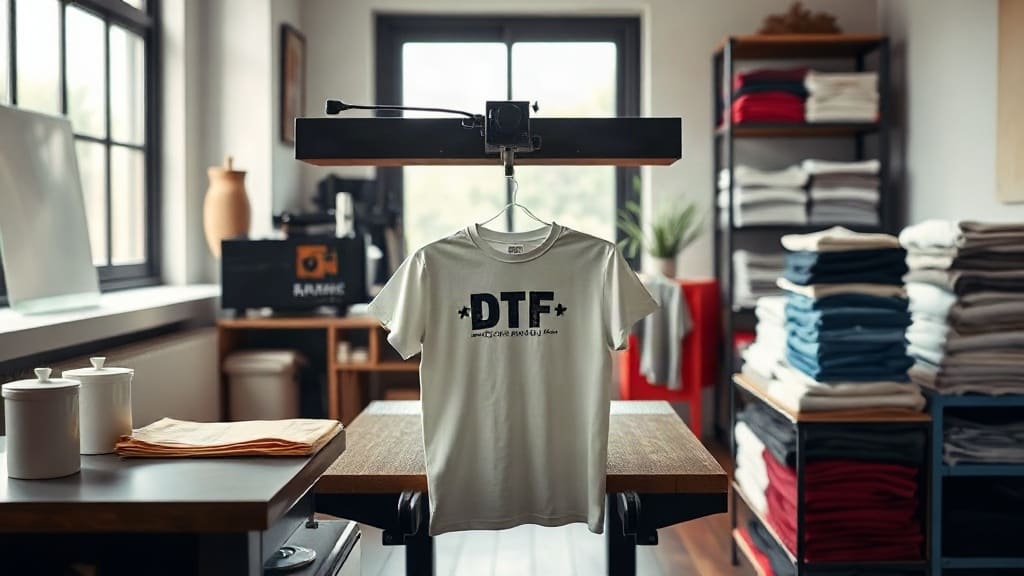
In the competitive world of custom apparel, staying ahead means embracing innovation. Smart blanks are redefining how businesses and creators approach garment decoration, offering a canvas that adapts to modern printing techniques. Whether you're a small startup or an established brand, understanding these advancements can set your products apart. This article explores the synergy between smart blanks, Shaka Wear, and DTF transfers, providing actionable insights to elevate your custom apparel game.
What Are Smart Blanks?
Smart blanks are not your ordinary t-shirts. They are garments engineered with specific fabric blends and finishes that optimize decoration outcomes. Unlike traditional blanks, which might require extensive pre-treatment, smart blanks are designed to work seamlessly with digital printing methods like DTF (Direct-to-Film) transfers. This means sharper details, vibrant colors, and enhanced durability. For businesses, this translates to faster production times and reduced waste, a crucial advantage in today's fast-paced market.
Key Features of Smart Blanks
- Fabric Composition: Often a blend of cotton and polyester, providing a smooth surface for transfers.
- Pre-treated Surfaces: Some smart blanks come with a special coating that improves ink adhesion.
- Consistent Quality: Uniform weaving reduces defects and ensures reliable results.
- Comfort and Fit: Modern cuts and soft materials appeal to end-users.
These features make smart blanks a preferred choice for DTF printing, where precision is paramount.
Shaka Wear: A Staple in Custom Apparel
When discussing quality blanks, Shaka Wear stands out as a trusted brand. Known for their heavyweight cotton tees and streetwear-inspired fits, Shaka Wear garments are a favorite among screen printers and DTF enthusiasts alike. Their blanks are durable, take prints well, and offer a premium feel that customers love. By combining Shaka Wear with smart blank technology, you get the best of both worlds: a reputable brand and cutting-edge printability.
Why Shaka Wear Works with DTF Transfers
DTF transfers require a smooth, even surface to achieve optimal results. Shaka Wear's tightly woven fabrics provide exactly that. Additionally, their garments often have a higher cotton content, which, when paired with DTF's adhesive powders, creates a strong bond that withstands repeated washing. This compatibility reduces the risk of cracking or fading, common issues with lesser blanks.
DTF Transfers: The Game-Changer in Printing
DTF transfers have revolutionized custom apparel by eliminating the need for weeding and allowing full-color designs on various fabrics. Unlike vinyl or screen printing, DTF transfers can be applied to cotton, polyester, and blends with ease. The process involves printing your design onto a special film, applying adhesive powder, and then heat-pressing it onto the garment. The result is a soft, flexible print that feels like part of the fabric.
Advantages of DTF Transfers
- No Color Limits: Print gradients, photographs, and intricate details without extra cost.
- Versatility: Works on multiple fabric types, including those with high polyester content.
- Durability: When done correctly, DTF prints outlast many other methods.
- Cost-Effective for Small Runs: Ideal for short runs and personalized items.
For businesses using smart blanks and Shaka Wear, DTF transfers offer a streamlined workflow that saves time and resources.
Choosing the Right Blanks for DTF Printing
Not all blanks are created equal, especially when it comes to DTF. Here are factors to consider:
- Fabric Content: 100% cotton or cotton-poly blends work best. High polyester can sometimes require lower heat settings.
- Weave and Texture: Smooth surfaces yield better detail. Smart blanks are engineered for this.
- Color: Light colors make prints pop, but DTF works on darks too, thanks to white ink layers.
- Brand Reputation: Brands like Shaka Wear ensure consistency.
By selecting the right blank, you minimize trial and error and maximize customer satisfaction.
Step-by-Step Guide to DTF Printing on Smart Blanks
Ready to get started? Follow these steps for professional results:
- Design Preparation: Create your artwork in a vector or high-resolution raster format. Remember to mirror the image if required.
- Printing: Use a DTF printer with quality inks and film. Ensure the printer is calibrated.
- Powder Application: Apply hot-melt adhesive powder evenly over the wet print.
- Curing: Melt the powder using a heat source until it gels.
- Heat Pressing: Set your press to the recommended temperature (usually 300-320°F) and press for 10-15 seconds with medium pressure.
- Peeling: Wait for the film to cool, then peel it off slowly. For a matte finish, peel while hot.
With smart blanks, you'll notice the print adheres flawlessly, with minimal texture.
Case Study: How a Small Business Thrived with Smart Blanks
Consider a small apparel company that switched to smart blanks and DTF transfers. Previously, they used traditional blanks and screen printing, which limited their design capabilities and required large minimum orders. After adopting smart blanks from Shaka Wear and DTF, they could offer full-color, one-off designs. Their turnaround time dropped from two weeks to two days, and customer satisfaction soared. This example shows the tangible benefits of integrating these technologies.
Common Mistakes to Avoid
Even with the best materials, errors can happen. Watch out for:
- Insufficient Pressure: Leads to poor adhesion. Always test your press.
- Wrong Temperature: Too high can scorch the fabric; too low won't melt the powder.
- Ignoring Fabric Type: Always check the blank's recommended settings.
- Rushing the Peel: Peeling too early can distort the print.
By avoiding these pitfalls, you ensure professional-grade results.
Future Trends in Custom Apparel
The industry is moving towards more sustainable and efficient methods. Smart blanks are evolving to include eco-friendly materials, and DTF technology is becoming faster and more accessible. Brands like Shaka Wear are likely to expand their smart blank lines, offering even more options for creators. Staying updated with these trends will keep your business competitive.
Frequently Asked Questions
What makes smart blanks different from regular blanks?
Smart blanks are designed with fabric blends and finishes that enhance printability, especially for DTF transfers. They often require less pre-treatment and yield more consistent results.
Can I use DTF transfers on Shaka Wear garments?
Absolutely. Shaka Wear's cotton-rich fabrics are ideal for DTF. Their smooth texture ensures excellent adhesion and vibrant colors.
How durable are DTF prints on smart blanks?
When applied correctly, DTF prints on smart blanks are highly durable, resisting cracking and fading even after multiple washes.
Do I need special equipment for DTF printing?
Yes, you'll need a DTF printer, adhesive powder, and a heat press. However, the investment pays off with versatile, high-quality output.
Where can I buy smart blanks and Shaka Wear products?
Many online retailers and specialty stores carry these items. Look for reputable suppliers that offer consistent quality.
Embracing smart blanks, Shaka Wear, and DTF transfers can transform your custom apparel business. By leveraging these innovations, you deliver superior products that customers notice. Start integrating them today and watch your brand thrive.