
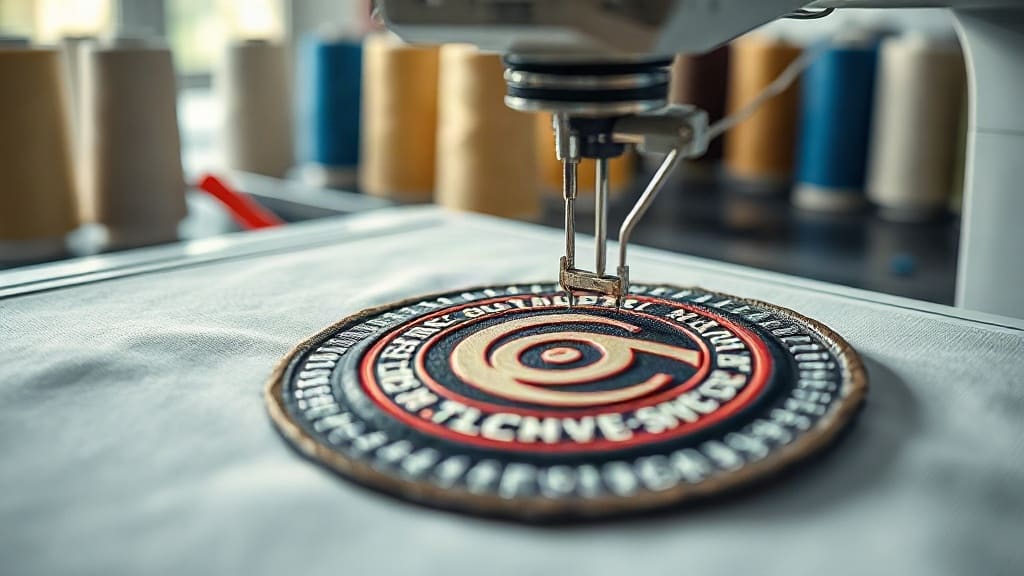
In the world of custom embroidered patches, a quiet revolution is unfolding. It is not about new threads or advanced machines, but about the very foundation of every patch: the blank. Traditionally, patch blanks were simple fabric bases waiting to be stitched. Today, a new generation of smart blanks is redefining what is possible, offering enhanced design flexibility, faster production, and superior quality. Whether you are a small business owner, a hobbyist, or a large organization, understanding smart blanks can give you a competitive edge in creating standout custom patches.
What Are Smart Blanks?
At their core, smart blanks are pre-engineered patch bases that incorporate advanced materials and construction techniques. Unlike standard blanks, which are often uniform in texture and thickness, smart blanks are designed with specific properties to optimize embroidery. They may feature specialized stabilizers, heat-sensitive adhesives, or even embedded technology that interacts with embroidery machines. The result is a blank that actively contributes to the final product, rather than just serving as a passive canvas.
The Evolution from Traditional Blanks
To appreciate smart blanks, it helps to understand where they came from. Traditional patch blanks were typically made from twill, felt, or canvas. They were functional but limited: embroidery could distort the fabric, colors might bleed, and intricate designs were hard to achieve. Smart blanks address these issues head-on. For example, some smart blanks use a denser weave that prevents stitch pull, while others have a coating that enhances color vibrancy. These innovations mean that even complex, multi-colored designs come out crisp and true to your vision.
Why Smart Blanks Matter for Your Custom Patches
If you have ever ordered custom patches, you know that the quality of the blank can make or break the final product. Smart blanks offer tangible benefits that directly impact your satisfaction and your budget.
Enhanced Design Precision
One of the biggest challenges in patch embroidery is maintaining detail. Small text, fine lines, and gradients can easily become muddled on a standard blank. Smart blanks are engineered to hold tight registration, meaning each stitch lands exactly where it should. This precision is especially crucial for logos with intricate elements or patches that include tiny lettering. With smart blanks, you can push the boundaries of your design without worrying about losing clarity.
Faster Production Turnaround
Time is money, and smart blanks can significantly reduce production time. Because they are pre-stabilized and optimized for machine embroidery, they require less setup and fewer adjustments during the stitching process. This efficiency translates to quicker turnaround times for your order. For businesses that need patches in a hurry, such as for events or promotional campaigns, smart blanks are a game-changer.
Durability That Lasts
Patches endure a lot: they are sewn onto uniforms, attached to backpacks, and exposed to the elements. Smart blanks are built to withstand wear and tear. Many use high-tenacity fibers and reinforced edges that resist fraying and fading. This durability ensures that your patch looks great for years, not just months.
Eco-Friendly Options
As sustainability becomes a priority for consumers, smart blanks are also evolving. Some manufacturers now offer blanks made from recycled polyester or organic cotton, without compromising performance. Choosing smart blanks can align your custom patch project with your environmental values.
How to Choose the Right Smart Blank for Your Project
Not all smart blanks are created equal. The best choice depends on your specific design, intended use, and budget. Here are key factors to consider.
Material Composition
Smart blanks come in various materials, each with unique properties. Polyester blends are durable and colorfast, ideal for outdoor patches. Cotton offers a classic look and soft feel, perfect for fashion patches. Specialty materials like nylon or canvas might be better for heavy-duty applications. Consider where the patch will be used and how often it will be washed or exposed to sunlight.
Stabilizer Type
The stabilizer is a crucial component of smart blanks. It provides a foundation for embroidery, preventing distortion. Cut-away stabilizers are best for large, dense designs, while tear-away stabilizers work well for lighter embroidery. Some smart blanks come with integrated stabilizers, simplifying your workflow. If you are ordering from a patch maker, ask about the stabilizer used; it affects the final drape and comfort.
Adhesive Backing Options
Many smart blanks include adhesive backings, such as iron-on or peel-and-stick. These are convenient for quick application. However, the quality of the adhesive matters. A poor adhesive may not withstand repeated washing. Look for smart blanks with high-quality heat-activated adhesives that bond securely to fabric.
Thickness and Hand Feel
The thickness of the blank influences the patch's overall feel. Thicker blanks are more rigid and can support heavier embroidery, but they may feel stiff on clothing. Thinner blanks are more flexible but might require additional stabilizer. Smart blanks often strike a balance, offering a comfortable hand feel without sacrificing durability.
Applications of Smart Blanks Across Industries
Smart blanks are not just for hobbyists; they are used across a wide range of industries, each with unique requirements.
Military and Tactical
In military and tactical settings, patches must endure extreme conditions. Smart blanks with infrared (IR) suppression or camouflage properties are in demand. These blanks are designed to reduce detection by night vision equipment, making them essential for modern warfare. They also meet strict durability standards.
Corporate Branding
Companies use custom patches for employee uniforms, promotional giveaways, and brand merchandise. Smart blanks ensure that logos look sharp and professional, reinforcing brand identity. With fast turnaround, businesses can order patches for events without long lead times.
Sports and Teams
Sports teams rely on patches for jerseys, bags, and fan gear. Smart blanks allow for vibrant colors and intricate team logos. They also withstand the rigors of athletic use, including frequent washing and exposure to sweat.
Fashion and Accessories
In fashion, patches are a form of self-expression. Smart blanks enable designers to create detailed, artistic patches that stand out. From denim jackets to hats, smart blanks provide the canvas for creativity.
Future Trends in Smart Blank Technology
The field of smart blanks is still evolving. Here are some trends to watch.
Integration with Smart Textiles
Researchers are exploring ways to embed electronics into patch blanks, such as LED lights or sensors. While still in early stages, this could lead to patches that change color or monitor health metrics.
Sustainable Materials
As environmental awareness grows, more smart blanks will be made from biodegradable or recycled materials. Manufacturers are investing in eco-friendly production methods to reduce waste.
Customization at Scale
Advances in digital printing and automation are making it easier to produce small batches of highly customized smart blanks. This opens up possibilities for personalized patches at lower costs.
Frequently Asked Questions About Smart Blanks
What exactly are smart blanks and how do they differ from regular patch blanks?
Smart blanks are advanced patch bases engineered with specialized materials and construction to enhance embroidery quality and production efficiency. Unlike regular blanks, they may include integrated stabilizers, optimized weaves, or adhesives that improve stitch precision, durability, and color vibrancy.
Can I use smart blanks for iron-on patches?
Yes, many smart blanks are designed with iron-on adhesive backings. However, always check the manufacturer's instructions for heat settings and application methods to ensure a secure bond.
Are smart blanks more expensive than traditional blanks?
Smart blanks may have a higher upfront cost due to advanced materials and technology. However, they can save money in the long run by reducing production errors, waste, and turnaround time. The improved quality also adds value to your final product.
How do I know which smart blank is best for my design?
Consider the design complexity, intended use, and desired longevity. For intricate designs, choose a smart blank with high-precision stabilization. For outdoor use, opt for durable materials like polyester. Consulting with a patch professional can help you make the right choice.
Are smart blanks environmentally friendly?
Some smart blanks are made from recycled or organic materials, and many manufacturers are adopting sustainable practices. Look for eco-friendly certifications or ask your supplier about the blank's environmental footprint.
Smart blanks represent a significant leap forward in custom patch creation. By understanding their benefits and applications, you can make informed decisions that elevate your patches from ordinary to extraordinary. Whether you are ordering a single patch or thousands, the right smart blank can make all the difference.