
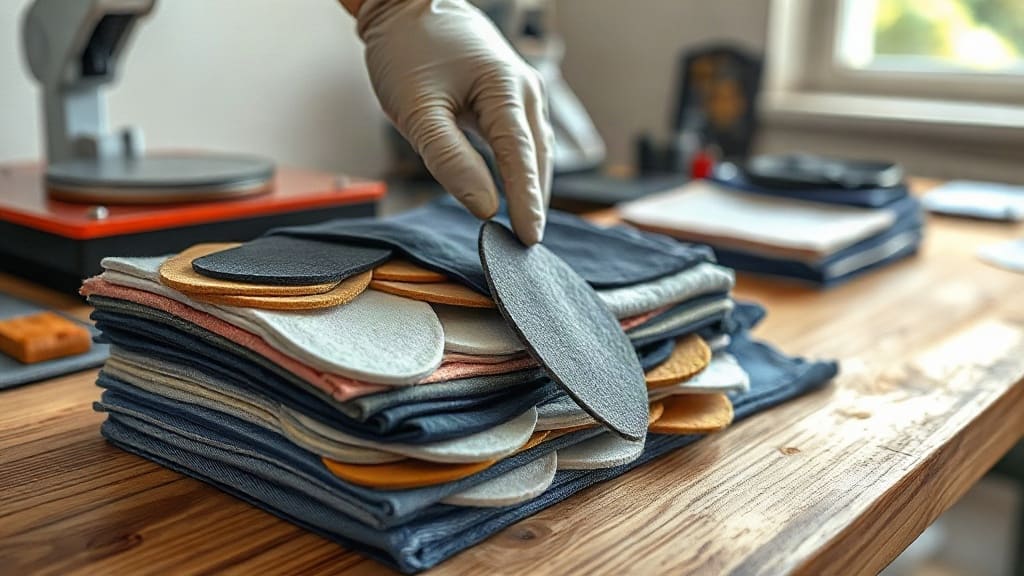
Imagine a world where custom patches are no longer a hassle to produce. No more messy glue, no more uneven cuts, no more wasted time. That's the promise of smart blanks, a revolutionary approach to patch-making that's quickly gaining traction among businesses, hobbyists, and DIY enthusiasts. Whether you're a small business owner looking to brand your products or a craftsperson creating unique designs, smart blanks offer a smarter, cleaner, and more efficient way to bring your patch ideas to life. In this article, we'll explore what smart blanks are, how they work, and why they might just be the game-changer you've been waiting for.
What Are Smart Blanks?
At their core, smart blanks are pre-cut, adhesive-backed patch bases that are ready to be customized. Unlike traditional patch-making, which often requires you to cut fabric, apply glue, and wait for it to dry, smart blanks come with a strong adhesive backing that bonds instantly when heat-activated. They are made from high-quality materials like twill, felt, or specialty fabrics, and they're designed to work with a variety of decoration methods, including embroidery, screen printing, and heat transfer vinyl (HTV).
The "smart" in smart blanks comes from their intelligent design. They are engineered to be compatible with standard heat presses and irons, ensuring a secure bond every time. Plus, they come in a range of sizes and shapes, from classic circles and squares to custom die-cut forms, so you can find the perfect base for your project. Whether you're making patches for a scout troop, a sports team, or a corporate event, smart blanks provide a professional-looking foundation that saves you time and effort.
Why Smart Blanks Are Changing the Patch Game
The traditional patch-making process can be tedious and time-consuming. You need to source the right fabric, cut it to size, apply adhesive, and then attach it to your garment. Each step introduces room for error, and the results can be inconsistent. Smart blanks eliminate many of these pain points by providing a ready-to-use base that's consistent in quality and easy to work with.
Time-Saving Efficiency
One of the biggest advantages of smart blanks is the time they save. With pre-cut bases, you skip the measuring and cutting stage entirely. The adhesive backing means you don't have to fuss with messy glues or sewing. Simply place your design on the blank, apply heat, and you're done. This efficiency is especially valuable for small businesses that need to fulfill large orders quickly. For example, a company that produces custom uniforms for a school district can use smart blanks to churn out hundreds of patches in a fraction of the time it would take with traditional methods.
Versatility in Design
Smart blanks are incredibly versatile. Because they come in various materials and finishes, you can choose the perfect base for your specific design. Want a rustic look? Go for felt. Need something durable for outdoor gear? Twill is your best bet. And because they work with multiple decoration techniques, you're not limited to embroidery. You can print full-color logos, add glitter, or even use them as a canvas for hand-painting. This flexibility opens up a world of creative possibilities, allowing you to produce patches that truly stand out.
Cost-Effective Solution
While smart blanks might have a slightly higher upfront cost than raw fabric, they often save money in the long run. By reducing waste and eliminating the need for additional adhesives or stabilizers, you streamline your production process. Plus, the consistent quality means fewer rejects and redo's, which can eat into your profits. For businesses that order patches in bulk, the savings can be substantial. And for individuals, the convenience and professional results are well worth the investment.
How to Use Smart Blanks: A Step-by-Step Guide
Using smart blanks is straightforward, but following the right steps ensures a durable, professional finish. Here's a simple guide to get you started:
- Choose Your Blank: Select the size, shape, and material that best suits your project. Consider the fabric of the garment you'll attach it to; for instance, a lightweight twill blank works well on cotton shirts, while a heavy-duty felt blank might be better for jackets.
- Prepare Your Design: Whether you're embroidering, printing, or using HTV, prepare your design to fit within the blank's dimensions. If you're using a heat press, set the temperature according to the blank's instructions (usually around 300-350°F).
- Apply Heat and Pressure: Place your design on the blank, then position the blank on the garment. Use a heat press or iron to apply heat and pressure for the recommended time (typically 15-30 seconds). The adhesive will melt and bond to the fabric.
- Cool and Check: Allow the patch to cool completely before handling. Once cool, check the edges to ensure a secure bond. If any edges are lifting, reapply heat for a few more seconds.
For best results, always test on a scrap piece of fabric first to dial in your heat press settings. And remember, while smart blanks are designed for heat application, some materials may require additional stitching for extra durability, especially on items that will be washed frequently.
Smart Blanks vs. Traditional Patches: A Comparison
To understand the value of smart blanks, it helps to compare them to traditional patch-making methods. Traditional patches often involve cutting fabric, applying a fusible backing, and then embroidering or sewing. This process is labor-intensive and requires a certain level of skill. Smart blanks, on the other hand, are pre-made and ready to go, making them accessible to beginners and efficient for experts.
Another key difference is consistency. With traditional methods, it's easy to end up with patches that vary in size or shape, especially if you're cutting by hand. Smart blanks are precision-cut, so every patch is identical. This uniformity is crucial for businesses that need a cohesive look across uniforms or merchandise.
Finally, smart blanks are often more durable. The adhesive used is industrial-strength and designed to withstand repeated washing and wear. While traditional patches can peel or fray over time, smart blanks maintain their integrity, keeping your designs looking sharp.
Creative Applications for Smart Blanks
The uses for smart blanks are limited only by your imagination. Here are a few ideas to spark your creativity:
- Corporate Branding: Create custom patches for employee uniforms, hats, or bags. Smart blanks make it easy to produce consistent, professional-looking branding across your team.
- Sports Teams: Design patches for jerseys, jackets, or bags. Whether it's a little league team or a professional club, smart blanks help you show team spirit in style.
- Scout Groups: Badges and patches are a staple of scouting. Smart blanks allow you to quickly produce custom badges for achievements, events, or rank advancements.
- Fashion and DIY: Add a personal touch to jackets, jeans, or backpacks. Smart blanks are perfect for upcycling old clothing or creating unique accessories.
- Events and Fundraisers: Commemorate a special event or raise funds with custom patches. Smart blanks make it easy to produce small batches or large runs.
With smart blanks, you're not just making patches; you're crafting a statement. The ease of use encourages experimentation, so don't be afraid to try new materials, colors, and techniques. The result will be one-of-a-kind patches that reflect your personality or brand.
Choosing the Right Smart Blanks for Your Project
Not all smart blanks are created equal. When selecting blanks, consider the following factors:
- Material: Twill is durable and takes embroidery well. Felt offers a softer, more traditional look. Specialty fabrics like canvas or denim can add texture. Choose based on the garment and desired aesthetic.
- Size and Shape: Smart blanks come in standard shapes like circles, squares, and rectangles, as well as custom die-cut shapes. Think about your design and where the patch will be placed. A large patch might overwhelm a small pocket, while a tiny patch could get lost on a jacket back.
- Adhesive Type: Most smart blanks use a heat-activated adhesive, but some may have a pressure-sensitive backing. Heat-activated is generally more durable and washable, while pressure-sensitive is convenient for temporary applications.
- Compatibility: Ensure the blank works with your decoration method. If you're using HTV, check that the blank can withstand the heat. If embroidering, make sure the blank is stable enough to support dense stitching.
Reading reviews and requesting samples can help you find the best smart blanks for your needs. Many suppliers offer sample packs, so you can test different materials before committing to a bulk order.
Frequently Asked Questions About Smart Blanks
What exactly are smart blanks and how do they differ from regular patch blanks?
Smart blanks are pre-cut, adhesive-backed patch bases that are ready for customization. Unlike regular patch blanks, which might require you to apply your own adhesive or stabilizer, smart blanks come with a heat-activated adhesive already applied. This saves time and ensures a consistent bond. They are also precision-cut, so you get uniform shapes every time.
Can I use smart blanks with an embroidery machine?
Yes, smart blanks are compatible with embroidery machines. The key is to choose a blank that is stable enough to hold the stitches. Twill and felt are popular choices for embroidery. You may need to use a topping or backing to prevent the fabric from shifting, but many smart blanks are designed to be embroidery-friendly.
How do I wash garments with smart blank patches?
Garments with smart blank patches can be washed as usual, but it's best to turn them inside out and use cold water to prolong the life of the adhesive. Avoid using bleach or fabric softeners, as they can weaken the bond. Tumble dry on low or hang dry. If the patch starts to lift, you can reapply heat with an iron or heat press.
Are smart blanks suitable for outdoor use?
Absolutely. Smart blanks made from durable materials like twill or canvas can withstand outdoor conditions. The adhesive is designed to hold up to wear and tear, but for heavy-duty outdoor gear, you might want to reinforce the edges with stitching. This ensures the patch stays put even in rugged environments.
Where can I buy smart blanks?
Smart blanks are available from various online suppliers, craft stores, and specialty patch retailers. When shopping, look for blanks that match your project's requirements in terms of material, size, and adhesive type. Reading customer reviews and checking for compatibility with your equipment can help you make the right choice.
Final Thoughts: Embrace the Smart Blank Revolution
Smart blanks are more than just a trend; they represent a shift toward smarter, more efficient crafting. By eliminating the tedious steps of traditional patch-making, they empower you to focus on what matters: creating designs that communicate, celebrate, and inspire. Whether you're a business looking to streamline production or an individual exploring your creative side, smart blanks offer a reliable, versatile, and cost-effective solution. As the demand for customization continues to grow, smart blanks are poised to become the standard for patch-making. So why not give them a try? Your next project could be your best one yet.