
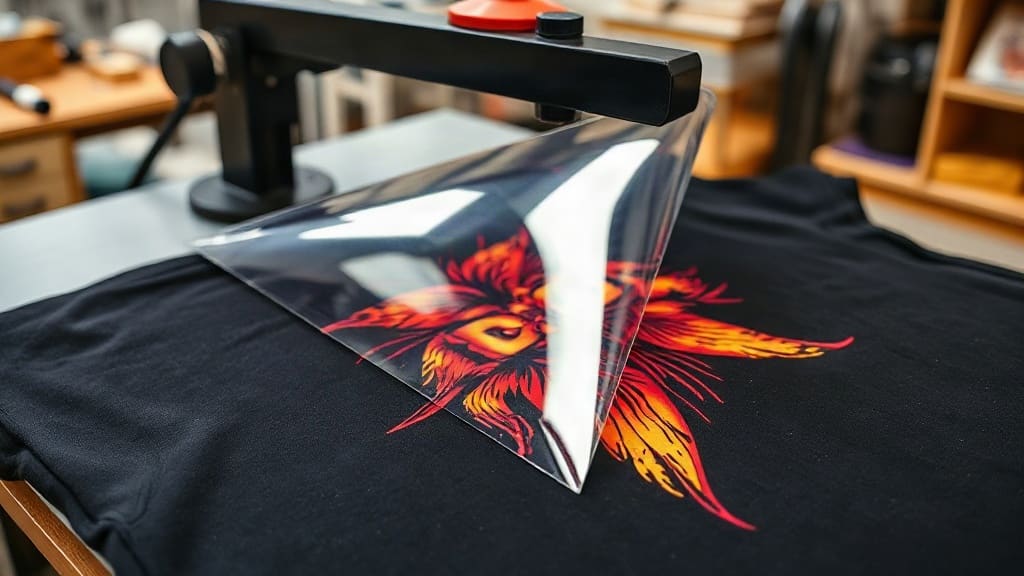
When you're in the business of creating custom apparel, the method you choose for decorating garments can make or break your final product. Among the many options available, DTF transfers have emerged as a game-changer, offering unparalleled versatility and vibrant results. Whether you're a small shop owner or a DIY enthusiast, understanding this technology can elevate your designs and streamline your workflow.
What Are DTF Transfers?
DTF stands for Direct to Film. It's a printing technique where your design is printed onto a special film, coated with a powdered adhesive, and then heat-pressed onto the fabric. Unlike DTG (Direct to Garment) or screen printing, DTF doesn't require pre-treatment or specialized inks for different materials. It works on cotton, polyester, blends, and even tough fabrics like denim and leather.
The DTF Printing Process
The process begins with a digital printer that lays down CMYK and white ink onto a PET film. The white ink acts as a base, allowing the colors to pop on dark garments. After printing, a fine powder adhesive is applied while the ink is still wet. Excess powder is shaken off, and the film is cured in an oven or with a heat gun. Once cured, the transfer is ready to be applied using a heat press.
This multi-step process might sound complex, but it's surprisingly efficient once you get the hang of it. The key is to maintain consistent temperature and pressure during both curing and pressing.
Why Choose DTF Transfers for Your Projects?
There are several compelling reasons why DTF transfers have become a favorite among apparel decorators. Let's break down the main advantages.
Unmatched Versatility
One of the biggest pain points in garment printing is the limitation of fabric types. Screen printing works best on cotton, while sublimation requires polyester. DTF, however, adheres to almost any fabric. This means you can offer your customers a wider range of products, from 100% cotton tees to polyester athletic wear, without switching equipment or techniques.
Vibrant and Durable Prints
The white ink base in DTF transfers ensures that colors remain bright and opaque, even on dark backgrounds. Additionally, the prints are highly durable. When applied correctly, they withstand repeated washing without fading, cracking, or peeling. This longevity makes DTF a cost-effective choice for both one-off custom pieces and bulk orders.
Cost-Effective for Short Runs
Traditional screen printing requires separate screens for each color, which can be expensive for small batches. DTF transfers eliminate that setup cost. You can print a single transfer or hundreds with the same ease, making it ideal for small businesses, personalized gifts, or sampling before a large order.
How to Apply DTF Transfers: Step-by-Step
Applying a DTF transfer is straightforward, but attention to detail ensures a professional finish. Here's a reliable method:
- Preheat your heat press to the recommended temperature, usually around 325°F (160°C).
- Position the garment on the press and pre-press for a few seconds to remove moisture and wrinkles.
- Place the DTF transfer on the garment with the printed side facing up.
- Press with medium to heavy pressure for 10-15 seconds.
- Peel the film while it's still warm (warm peel) or after it cools (cold peel), depending on the film type.
- Post-press the area for another 5-10 seconds with a cover sheet to enhance durability.
Always test with a scrap piece first to dial in your press settings. Different films and fabrics may require slight adjustments.
Common Challenges and How to Overcome Them
Even with a straightforward process, issues can arise. Here are some common problems and their solutions.
Adhesion Problems
If the transfer peels off after washing, it's often due to insufficient pressure or incorrect temperature. Ensure your press is calibrated and apply consistent pressure. Also, make sure the garment is free of fabric softeners, which can hinder adhesion.
Color Fading
Fading usually happens when the transfer is under-cured or over-stretched. Follow the curing instructions precisely, and avoid stretching the printed area when wearing or washing.
Film Residue
Sometimes a sticky residue remains after peeling. This can be removed by re-pressing with a cover sheet or using a specialized adhesive remover. It's more common with cold-peel films, so check the manufacturer's guidelines.
DTF vs. Other Printing Methods
To appreciate DTF fully, it helps to compare it with alternatives.
- DTG: Best for 100% cotton, but requires pre-treatment and can be less vibrant on dark colors.
- Screen Printing: Cost-effective for large orders, but setup is time-consuming and costly for multi-color designs.
- Sublimation: Only works on polyester and light-colored fabrics; colors are permanent but limited to synthetic materials.
- Vinyl: Great for simple designs, but layering multiple colors is tedious and not ideal for complex images.
DTF shines in its ability to handle intricate, full-color designs on a wide range of fabrics without the limitations of other methods.
Tips for Getting the Best Results
To ensure your DTF transfers look professional and last, keep these tips in mind:
- Store unused transfers in a cool, dry place away from direct sunlight.
- Use a heat press rather than an iron for consistent pressure and temperature.
- Always pre-press the garment to remove wrinkles and moisture.
- Choose high-quality DTF film and powder from reputable suppliers.
- Wash garments inside out in cold water and avoid bleach and fabric softeners.
Frequently Asked Questions About DTF Transfers
Can I use DTF transfers on 100% polyester?
Yes, DTF transfers work well on polyester. However, because polyester is heat-sensitive, you may need to lower the press temperature slightly to avoid scorching. Always test on a sample first.
How long do DTF transfers last?
With proper application and care, DTF transfers can last as long as the garment itself. They resist fading and cracking through many wash cycles. Following the washing instructions will maximize longevity.
Do I need a special printer for DTF?
You need a DTF printer that uses pigment inks and can print white ink. Some modified inkjet printers can work, but dedicated DTF printers are recommended for best results and reliability.
Can I layer DTF transfers?
Layering is possible but not usually necessary since DTF can print full-color images in one go. If you do layer, press each layer separately and ensure proper adhesion.
What's the difference between DTF and DTG?
DTF involves printing on a film and transferring to the fabric, while DTG prints directly onto the garment. DTF works on more fabric types and often produces more vibrant colors on dark materials.