
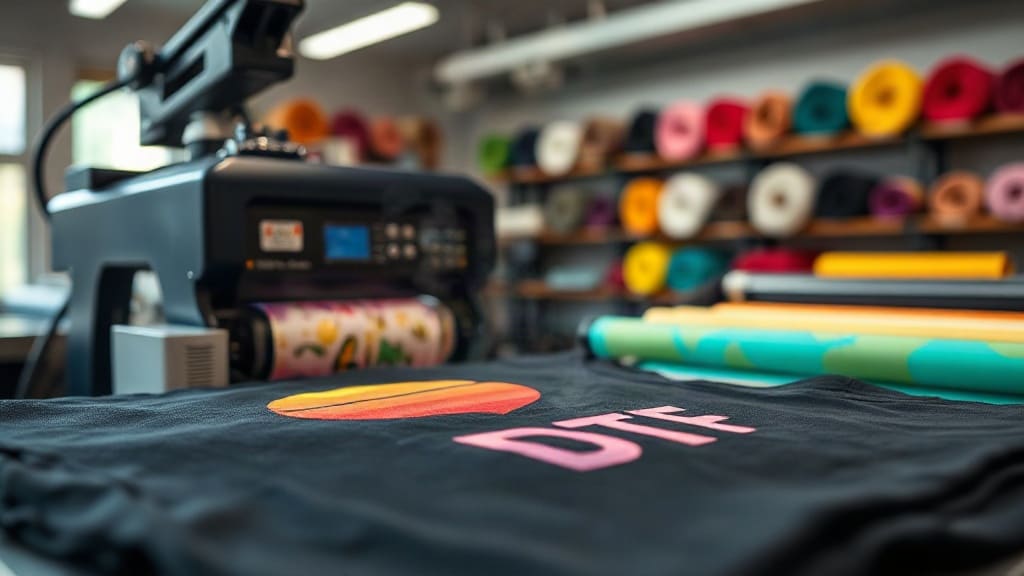
Imagine pressing a vibrant, full-color design onto a dark cotton t-shirt without worrying about weeding or layering. That's the promise of DTF transfers, a technology that has taken the custom apparel world by storm. Whether you're a small business owner, a hobbyist, or a professional decorator, understanding DTF transfers can open up a world of possibilities for your creations. In this guide, we'll dive deep into what DTF transfers are, how they work, and why they might be the perfect solution for your next project.
What Are DTF Transfers?
DTF stands for Direct-to-Film. It's a printing method where your design is printed onto a special film, coated with a adhesive powder, and then heat-pressed onto fabric. Unlike DTG (Direct-to-Garment) or screen printing, DTF transfers don't require pre-treatment or special inks for dark garments. The process is relatively simple: print, powder, cure, and press. The result is a soft, stretchable transfer that bonds permanently to the fabric.
DTF transfers have gained popularity because they work on almost any fabric, including cotton, polyester, blends, and even leather. They're also cost-effective for short runs and offer incredible detail and color vibrancy. If you've ever struggled with vinyl or sublimation, DTF might be your new best friend.
How DTF Transfers Work: Step by Step
To appreciate DTF transfers, it helps to understand the process. Here's a breakdown of the steps involved:
- Design Preparation: Create your artwork in a graphic design software. Remember to mirror the image if your printer requires it (some DTF printers print mirrored automatically).
- Printing: The design is printed onto a PET film using specialized DTF inks (usually CMYK plus white). The white ink layer is crucial for opacity on dark fabrics.
- Powdering: While the ink is still wet, a thermoplastic powder (often called hot melt adhesive) is applied evenly over the print. The excess powder is shaken off.
- Curing: The film goes through a curing oven or under a heat press to melt the powder, creating a adhesive layer that will bond to the fabric.
- Transfer: The cured film is placed onto the garment and heat-pressed. After cooling, the film is peeled away, leaving the design behind.
Each step requires attention to detail, but with practice, you can achieve professional results right from your studio.
Why Choose DTF Transfers for Your Custom Apparel?
There are several reasons why DTF transfers have become a go-to method for many decorators. Let's explore the key benefits.
1. Exceptional Durability
DTF transfers are known for their longevity. When applied correctly, they can withstand repeated washing without cracking, peeling, or fading. The adhesive powder creates a strong bond that flexes with the fabric, making it ideal for stretchy materials like spandex blends.
2. Vibrant Colors and Fine Details
Because DTF printers use high-quality pigments, the colors are bright and opaque. You can print gradients, photographs, and intricate patterns with ease. Unlike screen printing, there's no color limitation or need for multiple screens.
3. Versatility Across Fabrics
One of the biggest advantages is that DTF transfers work on a wide range of materials. Cotton, polyester, cotton-poly blends, nylon, leather, and even some treated woods can accept DTF transfers. This versatility means you can offer more products to your customers without investing in multiple techniques.
4. Cost-Effective for Short Runs
For small orders or one-off custom pieces, DTF transfers are more economical than screen printing, which requires setup costs for each color. With DTF, you can print a single transfer for a few dollars, making it perfect for personalized gifts or sample production.
5. No Weeding or Layering
If you've ever spent hours weeding vinyl, you'll appreciate that DTF transfers come ready to press. There's no cutting, weeding, or layering involved. This saves time and reduces waste, especially for complex designs.
DTF vs. Other Decoration Methods
How does DTF stack up against DTG, screen printing, and vinyl? Here's a quick comparison:
- DTG: Best for 100% cotton, but requires pre-treatment and can be less durable on dark shirts. DTF works on more fabrics and often has better washability.
- Screen Printing: Ideal for large orders with few colors. DTF is better for detailed, multi-color designs and short runs.
- Vinyl: Great for simple text and shapes, but limited in color and detail. DTF allows full-color photographic prints.
- Sublimation: Only works on polyester and requires white fabric. DTF can be used on any color and material.
Each method has its place, but DTF transfers offer a unique combination of versatility and quality that's hard to beat.
How to Apply DTF Transfers Like a Pro
Applying DTF transfers is straightforward, but following best practices ensures a lasting result. Here's what you need to know:
Tools You'll Need
- A heat press (or an iron with no steam)
- Heat-resistant tape (optional)
- Parchment paper or a Teflon sheet
- A cool, clean surface
Step-by-Step Application
- Preheat the Press: Set your heat press to 300-325°F (150-160°C) for most fabrics. Always check the transfer supplier's recommendations.
- Position the Transfer: Place the DTF transfer on the garment with the printed side facing up. If your transfer has a white backing, that's the side that goes against the fabric. Use heat tape to hold it in place if needed.
- Press: Cover with parchment paper and press with medium pressure for 10-15 seconds.
- Peel: Allow the transfer to cool completely before peeling off the film. For a matte finish, peel while warm; for glossy, peel cold. (Check your film's instructions.)
- Post-Press: For extra durability, press again for 5-10 seconds with parchment paper.
Practice on a scrap piece of fabric to dial in your settings. Different fabrics and transfer brands may require slight adjustments.
Common Mistakes to Avoid with DTF Transfers
Even seasoned pros can run into issues. Here are some pitfalls to watch out for:
- Insufficient Pressure: If the transfer doesn't adhere fully, increase pressure. Uneven pressure can cause peeling.
- Wrong Temperature: Too hot and the film may melt or the design may scorch; too cool and the adhesive won't activate.
- Peeling Too Soon: Always let the transfer cool before peeling. Peeling hot can stretch the design or leave residue.
- Not Pre-Pressing the Garment: Pre-pressing removes moisture and wrinkles, ensuring a smooth application.
- Using the Wrong Film: Not all DTF films are created equal. Choose a reputable supplier for consistent results.
Choosing the Right DTF Transfer Supplier
The quality of your DTF transfers depends heavily on the supplier. Look for companies that offer:
- High-resolution printing with vibrant colors
- Consistent film quality that peels easily
- Clear instructions and customer support
- Fast turnaround and reliable shipping
At EMB Patches USA, we specialize in premium DTF transfers that deliver outstanding results. Our transfers are known for their durability and color brilliance, making them a favorite among apparel decorators. Whether you need a single custom transfer or a bulk order, we've got you covered.
Frequently Asked Questions About DTF Transfers
How long do DTF transfers last?
With proper application and care, DTF transfers can last as long as the garment itself. They withstand dozens of washes without fading or cracking. To maximize longevity, wash inside out in cold water and avoid harsh detergents.
Can I use DTF transfers on dark shirts?
Absolutely! DTF transfers are particularly well-suited for dark fabrics because the white ink layer provides a bright base for the colors. You don't need any special pre-treatment.
Do I need a special printer for DTF transfers?
Yes, DTF printing requires a dedicated DTF printer that uses DTF inks and a powder shaker. However, if you're not ready to invest in a printer, you can order custom DTF transfers from a supplier like EMB Patches USA and apply them with a heat press.
What fabrics work best with DTF transfers?
DTF transfers adhere well to cotton, polyester, blends, nylon, leather, and more. They are not recommended for fabrics with a heavy silicone coating or waterproof treatments.
How do I store unused DTF transfers?
Store them in a cool, dry place away from direct sunlight. Keep them flat or rolled to prevent creasing. Properly stored transfers can last for several months.
Final Thoughts
DTF transfers are a game-changer for custom apparel. They offer unmatched versatility, vibrant colors, and durability, all without the hassle of traditional methods. Whether you're decorating t-shirts, hoodies, tote bags, or even leather jackets, DTF transfers can help you achieve professional results. With the tips in this guide, you're well on your way to mastering this exciting technology. And when you're ready to elevate your creations, consider EMB Patches USA for high-quality DTF transfers that won't disappoint.