
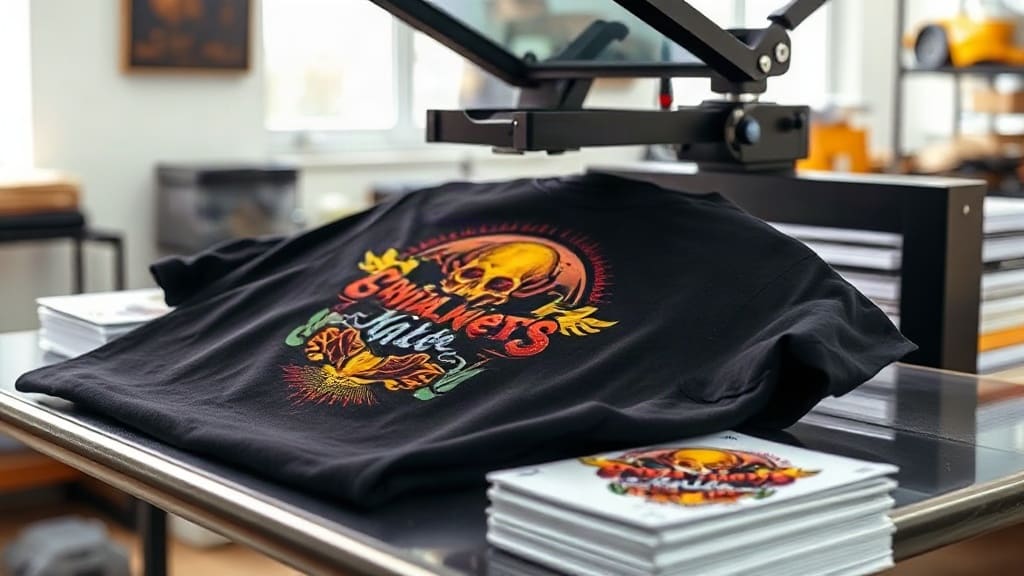
If you're in the custom apparel business or simply love creating unique t-shirts, hoodies, and more, you've likely heard about DTF transfers. This innovative printing method has taken the garment decoration world by storm, offering unparalleled versatility and vibrant results. Unlike traditional screen printing or vinyl, DTF transfers allow you to print full-color designs on a wide range of fabrics without the need for weeding or specialized equipment. In this guide, we'll dive deep into what DTF transfers are, how they work, and why they might be the perfect solution for your next project.
What Are DTF Transfers?
DTF stands for Direct to Film. It's a printing technology where your design is printed onto a special film, coated with a powder adhesive, and then heat-pressed onto the fabric. The result is a soft, stretchable, and durable print that can adhere to cotton, polyester, blends, and even nylon. DTF transfers are essentially a transfer sheet that you can apply with a heat press, making them ideal for small businesses, crafters, and anyone who wants professional-quality prints without the complexity of screen printing.
The DTF Printing Process
The process begins with a digital printer that uses special DTF inks (usually CMYK plus white) to print your design onto a PET film. The white ink acts as a base, allowing the colors to pop on both light and dark garments. After printing, a hot-melt adhesive powder is applied to the wet ink, and the film is cured. Once cured, the transfer is ready to be applied. This multi-step process ensures that the final print is not only vibrant but also highly durable.
Why Choose DTF Transfers Over Other Methods?
There are several reasons why DTF transfers have become a favorite among apparel decorators. Let's explore the key benefits.
1. No Weeding or Cutting Required
Unlike heat transfer vinyl (HTV), DTF transfers don't require any weeding. You simply print, powder, and press. This saves hours of tedious work, especially for intricate designs with fine details or multiple colors.
2. Works on Almost Any Fabric
DTF transfers adhere well to cotton, polyester, cotton-poly blends, leather, and even some synthetic fabrics. This versatility means you can offer your customers a wider range of apparel options without worrying about compatibility.
3. Vibrant, Full-Color Prints
Because DTF uses white ink as a base, your designs will look bright and opaque on both light and dark garments. You can print photorealistic images, gradients, and fine lines with incredible clarity.
4. Durable and Stretchable
When applied correctly, DTF transfers are highly durable. They withstand repeated washing without fading, cracking, or peeling. The prints also stretch with the fabric, making them ideal for athletic wear and stretchy materials.
5. Cost-Effective for Small Runs
Screen printing requires setup costs for each color and screen, making small orders expensive. DTF transfers have no setup fees, so you can print one-off designs or small batches economically.
How to Apply DTF Transfers: Step-by-Step
Applying DTF transfers is straightforward if you follow the right steps. Here's a detailed guide to ensure perfect results every time.
Step 1: Prepare Your Heat Press
Preheat your heat press to the recommended temperature, typically around 325°F to 350°F (160°C to 175°C). Ensure the press is evenly heated and set the pressure to medium-high (around 4-6 on a scale of 10).
Step 2: Pre-Press the Garment
Place your garment on the press and pre-press for 5-10 seconds. This removes moisture and wrinkles, creating a smooth surface for the transfer. Let it cool slightly before applying the transfer.
Step 3: Position the Transfer
Place the DTF transfer on the garment with the printed side facing up. The film backing should be on top. Use heat-resistant tape if needed to keep it in place.
Step 4: Press the Transfer
Close the press and apply medium-high pressure for 10-15 seconds. The exact time may vary depending on your press and the transfer manufacturer's instructions, so always test first.
Step 5: Peel the Film
After pressing, allow the transfer to cool completely before peeling off the film. This is a cold peel process for most DTF transfers. Peel slowly at a low angle to ensure the design stays on the garment.
Step 6: Post-Press for Durability
For added durability, place a Teflon sheet or parchment paper over the design and press again for 5-10 seconds. This helps the adhesive fully bond with the fabric.
Common Mistakes to Avoid with DTF Transfers
Even though DTF transfers are user-friendly, a few missteps can ruin your results. Here are some common pitfalls and how to avoid them.
- Incorrect temperature: Too low and the adhesive won't activate; too high and the film may scorch. Always follow the recommended settings.
- Insufficient pressure: Without enough pressure, the transfer won't adhere properly, leading to premature peeling.
- Peeling too soon: DTF transfers require a cold peel. Peeling while hot can distort the design or leave adhesive residue.
- Not pre-pressing: Skipping the pre-press can result in moisture trapped under the transfer, causing bubbling or poor adhesion.
- Using the wrong fabric: While DTF works on many fabrics, some highly textured or treated fabrics may require special handling. Always test on a scrap first.
DTF Transfers vs. Other Printing Methods
How do DTF transfers stack up against screen printing, DTG, and vinyl? Let's compare.
DTF vs. Screen Printing
Screen printing is cost-effective for large orders but requires setup and is limited in color complexity. DTF excels in small runs and full-color designs. However, screen printing can be more durable for very long-term use, though modern DTF is catching up.
DTF vs. DTG
Direct-to-garment (DTG) printing is great for cotton but struggles on dark colors and synthetics. DTF works on almost any fabric and produces vibrant colors on dark garments without pre-treatment.
DTF vs. Heat Transfer Vinyl
HTV is ideal for simple, single-color designs and requires weeding. DTF handles complex, multi-color designs with no weeding, making it faster and more versatile for detailed artwork.
Tips for Getting the Best Results with DTF Transfers
To ensure your DTF transfers look professional and last, keep these tips in mind.
- Store transfers properly: Keep unused transfers in a cool, dry place away from direct sunlight to prevent the adhesive from activating prematurely.
- Use a quality heat press: A reliable press with consistent temperature and pressure is key. Irons are not recommended as they don't provide even heat or pressure.
- Test your settings: Every heat press is different. Always run a test press on a scrap garment to dial in the perfect temperature, time, and pressure.
- Wash inside out: To prolong the life of your DTF prints, wash garments inside out in cold water and tumble dry low or hang dry.
Frequently Asked Questions About DTF Transfers
What fabrics can I use with DTF transfers?
DTF transfers work on a wide range of fabrics, including cotton, polyester, cotton-poly blends, nylon, leather, and more. They are especially good for dark and synthetic fabrics where other methods may fail.
How long do DTF transfers last?
With proper application and care, DTF transfers can last as long as the garment. They are durable and resistant to fading, cracking, and peeling. Following washing instructions will maximize their lifespan.
Can I apply DTF transfers with a home iron?
While it's possible to use a home iron, it's not recommended because irons don't provide consistent temperature and pressure. A heat press is strongly advised for professional, long-lasting results.
Do I need special ink for DTF printing?
Yes, DTF printing requires special DTF inks, typically including white ink for the base layer. These inks are formulated to work with the adhesive powder and film.
Are DTF transfers safe for children's clothing?
Yes, when applied correctly, DTF transfers are safe for children's clothing. The inks and adhesives used are generally non-toxic, but always check with your supplier for specific safety certifications.
Final Thoughts
DTF transfers have revolutionized the custom apparel industry by offering a versatile, cost-effective, and high-quality printing solution. Whether you're a small business owner, a craft enthusiast, or just someone who loves personalized clothing, DTF transfers provide an accessible way to create stunning, durable designs on a wide range of fabrics. With the right equipment and techniques, you can achieve professional results that impress. So why not give DTF transfers a try for your next project? Your creativity is the only limit.