
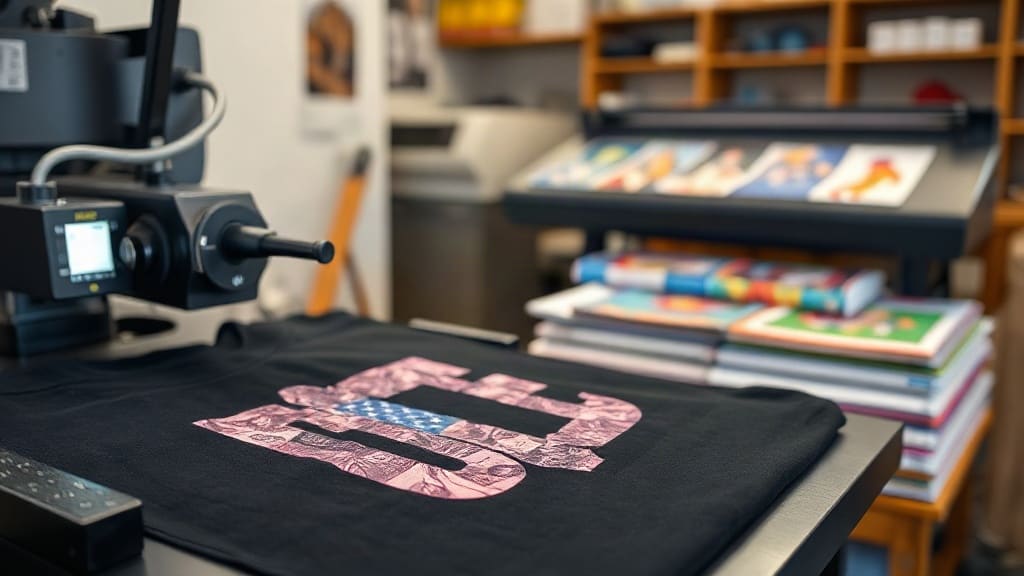
Custom apparel has never been more popular, and DTF transfers are revolutionizing how creators and businesses bring their designs to life. Unlike traditional methods that require multiple steps and specialized equipment, DTF transfers offer a streamlined, cost-effective solution for printing full-color designs on a wide range of fabrics. Whether you're a small business owner, a hobbyist, or a professional printer, understanding DTF transfers can open up new possibilities for your projects.
What Are DTF Transfers?
DTF stands for Direct to Film. It's a printing technology where your design is printed onto a special PET film using water-based inks, then coated with a hot-melt adhesive powder. Once the powder is cured, the transfer is ready to be applied to fabric using a heat press. The result is a vibrant, durable print that bonds permanently to the material.
Unlike DTG (Direct to Garment) printing, which prints directly onto the fabric, DTF transfers allow you to print on a variety of materials, including cotton, polyester, blends, and even some non-fabric surfaces. This versatility makes DTF a favorite among those who work with diverse garment types.
Why Choose DTF Transfers?
There are several compelling reasons to consider DTF transfers for your custom apparel needs.
1. Unmatched Versatility
DTF transfers adhere well to cotton, polyester, nylon, leather, and more. This means you can decorate everything from t-shirts and hoodies to tote bags and caps without worrying about fabric composition.
2. Vibrant, Full-Color Prints
With DTF, you can print intricate designs with gradients, fine details, and photographic images. The water-based inks produce bright, opaque colors that stand out on both light and dark garments. No need for separate white ink underlays or multiple screens.
3. Cost-Effective for Short Runs
Screen printing requires setup costs per color, making short runs expensive. DTF transfers eliminate these setup fees, so you can produce one-off items or small batches economically. This is perfect for personalized gifts, samples, or limited editions.
4. Durability and Washability
When applied correctly, DTF transfers are highly durable. They resist cracking, peeling, and fading even after multiple washes. The prints remain soft to the touch and stretch with the fabric, making them ideal for activewear.
5. Simple Workflow
The DTF process is straightforward: print, powder, cure, and press. You don't need to worry about weeding vinyl or aligning multiple screens. This simplicity reduces labor time and allows for quick turnaround.
How to Apply DTF Transfers: Step-by-Step
Applying DTF transfers is a straightforward process, but following the correct steps ensures a professional, long-lasting result.
Step 1: Prepare Your Heat Press
Set your heat press to the recommended temperature, usually between 300°F and 325°F (150°C to 160°C). Pre-press the garment for a few seconds to remove moisture and wrinkles. This creates a smooth surface for the transfer.
Step 2: Position the Transfer
Place the DTF transfer onto the garment with the printed side facing up. If your transfer has a clear carrier film, the design should be touching the fabric. Use heat-resistant tape to hold it in place if needed.
Step 3: Press the Transfer
Apply medium to firm pressure for 10 to 15 seconds. The exact time may vary depending on your press and the transfer manufacturer's instructions. Always test with a sample first.
Step 4: Peel the Film
DTF transfers are typically cold peel or warm peel. For cold peel, wait until the transfer cools completely before peeling off the film. For warm peel, remove it while still warm. Check your supplier's recommendation.
Step 5: Post-Press for Durability
For added durability, cover the design with a Teflon sheet or parchment paper and press again for 5 to 10 seconds. This helps the adhesive fully bond with the fabric.
Common Mistakes to Avoid
Even with a simple process, some pitfalls can affect the quality of your DTF transfers.
- Insufficient pressure: Without enough pressure, the transfer may not adhere properly, leading to peeling.
- Wrong temperature: Too low and the adhesive won't activate; too high and you risk scorching the fabric or the film.
- Peeling too early: If you peel a cold-peel transfer while it's still hot, the design can lift off.
- Not pre-pressing: Moisture in the fabric can cause steam pockets and poor adhesion.
- Using the wrong film: Ensure you're using high-quality DTF film designed for your printer and ink type.
DTF vs. Other Printing Methods
How does DTF stack up against other popular decoration methods?
DTF vs. DTG
DTG prints directly onto the garment, which limits you to cotton-rich fabrics. DTF works on almost any material and often produces more vibrant colors on dark garments.
DTF vs. Vinyl
Heat transfer vinyl (HTV) requires weeding and layering for multi-color designs. DTF allows you to print complex, multi-color designs in one go, saving time and reducing waste.
DTF vs. Screen Printing
Screen printing is cost-effective for large orders but has high setup costs. DTF is more economical for small to medium runs and offers unlimited color possibilities without setup fees.
Frequently Asked Questions About DTF Transfers
How long do DTF transfers last?
With proper application and care, DTF transfers can last as long as the garment itself. They withstand dozens of washes without fading or cracking. To maximize longevity, wash inside out in cold water and avoid harsh detergents.
Can I apply DTF transfers to dark fabrics?
Yes, DTF transfers work exceptionally well on dark fabrics. The white ink layer in the transfer provides a bright base, making colors pop on black, navy, and other dark colors.
Do I need a special printer for DTF transfers?
You can use a dedicated DTF printer or convert an existing inkjet printer with DTF inks and film. However, dedicated DTF printers are optimized for the process and often yield better results.
What is the best temperature for pressing DTF transfers?
Most DTF transfers require a temperature between 300°F and 325°F (150°C to 160°C). Always follow the instructions provided by your transfer supplier, as formulations can vary.
Can I stretch DTF transfers?
Yes, DTF transfers are flexible and stretch with the fabric, making them suitable for performance wear and stretchy materials. However, excessive stretching may cause cracking over time.
Final Thoughts
DTF transfers have become a game-changer in the custom apparel industry, offering unmatched versatility, vibrant colors, and durability. Whether you're a seasoned professional or just starting out, mastering DTF transfers can elevate your creations and streamline your production. With the right techniques and quality supplies, you can achieve professional results that impress your customers and keep them coming back.