
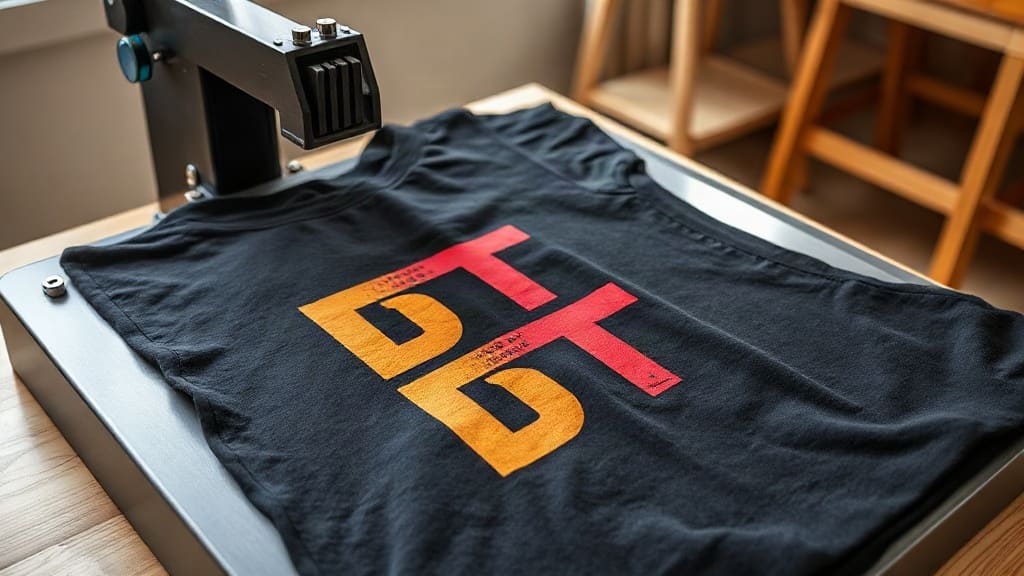
Imagine pressing a vibrant, full-color design onto a cotton t-shirt without the hassle of weeding or layering. That's the magic of DTF transfers. Whether you're a small business owner looking to offer custom apparel or a DIY enthusiast wanting to create personalized gifts, DTF transfers are changing the game. In this guide, I'll share everything you need to know to get started and achieve professional-quality results.
What Are DTF Transfers?
DTF stands for Direct to Film. It's a printing method where your design is printed onto a special film, coated with a adhesive powder, and then heat-pressed onto fabric. Unlike DTG (Direct to Garment) or screen printing, DTF transfers work on a wide range of materials, including cotton, polyester, blends, and even nylon. The process is relatively simple: print, powder, cure, and press. The result is a soft, stretchable, and durable print that can handle intricate details and gradients with ease.
Why Choose DTF Transfers Over Other Methods?
If you've tried other printing methods, you know each has its quirks. DTF offers several advantages that make it a favorite among crafters and professionals alike.
- No weeding required: Unlike vinyl, you don't need to cut and weed tiny details. The printer does the work.
- Works on multiple fabrics: Cotton, polyester, blends, and even treated nylon. No need for pre-treatment like DTG.
- Vibrant colors: DTF inks produce bright, opaque colors, even on dark garments.
- Durability: When applied correctly, DTF prints withstand dozens of washes without cracking or fading.
- Cost-effective for small batches: No minimums, no screens, no setup fees.
I remember my first DTF attempt: I was skeptical about the feel, but after pressing, the design was soft and stretchy, and it stayed put after multiple washes. That sold me.
How to Apply DTF Transfers: Step-by-Step
Applying DTF transfers is straightforward, but attention to detail makes all the difference. Here's the process I follow for consistent results.
1. Prepare Your Workspace
You'll need a heat press (or a home iron, but a press is better), the DTF transfer, your garment, and a protective sheet (like parchment paper or Teflon). Ensure your garment is lint-free and wrinkle-free.
2. Preheat the Garment
Preheat your press to 325°F (160°C). Give the garment a quick press for 5-10 seconds to remove moisture and wrinkles. This step prevents steam from interfering with adhesion.
3. Position the Transfer
Place the DTF transfer on the garment with the printed side facing up. If your transfer has a clear carrier film, the design is already oriented correctly. Use heat tape if needed to keep it in place.
4. Press
Press with medium pressure for 15-20 seconds. If you're using a home iron, set it to the highest temperature without steam and press firmly for 30-40 seconds, moving the iron in circles.
5. Peel
Let the transfer cool completely before peeling off the film. This is crucial: peeling while hot can distort the design. Once cool, peel slowly at a low angle. If any part lifts, re-press for a few seconds.
6. Post-Press (Optional)
For extra durability, cover the design with parchment paper and press again for 5-10 seconds. This helps the adhesive fully bond.
Common Mistakes to Avoid
Even seasoned crafters slip up. Here are pitfalls I've encountered and how to dodge them.
- Not preheating: Skipping preheat leads to poor adhesion and premature peeling.
- Incorrect temperature: Too hot scorches the film; too cool means the adhesive doesn't activate. Invest in an infrared thermometer to check your press.
- Peeling too soon: Patience is key. Let it cool.
- Using too much pressure: This can cause the design to spread or the film to wrinkle. Medium pressure is usually enough.
- Ignoring fabric type: While DTF works on many fabrics, some like nylon require lower temperatures. Always test on a scrap first.
Choosing the Right DTF Transfer for Your Project
Not all DTF transfers are created equal. Quality varies based on ink, film, and powder. When sourcing transfers, consider:
- Ink quality: Look for transfers that use high-quality pigment inks for vibrant, wash-resistant colors.
- Film type: Double-sided matte film is popular for its ease of use and reliable peel.
- Adhesive powder: Fine powder gives a softer feel; coarse powder is more durable but can feel rougher.
- Seller reputation: Read reviews and ask for samples if possible.
I've tried several suppliers, and the difference in vibrancy and durability is noticeable. Don't skimp on quality; your customers will thank you.
DTF Transfers vs. Other Printing Methods: A Quick Comparison
How does DTF stack up against DTG, screen printing, and vinyl?
- DTG: Great for cotton, but requires pre-treatment and can be less vibrant on dark colors. DTF wins on versatility.
- Screen printing: Cost-effective for large orders but expensive for small batches and limited to one color per screen. DTF excels for full-color, small runs.
- Vinyl: Ideal for simple designs but labor-intensive for complex ones. DTF handles intricate details effortlessly.
For a small business like mine, DTF offers the best balance of quality, cost, and flexibility.
Frequently Asked Questions About DTF Transfers
How long do DTF transfers last?
With proper application and care, DTF transfers can last 50+ washes. Turn the garment inside out and wash in cold water; avoid bleach and tumble dry low.
Can I use DTF transfers on dark shirts?
Absolutely. DTF transfers include a white ink base, so colors pop on dark fabrics without the need for a separate white layer.
Do I need a special printer for DTF transfers?
You can buy pre-printed transfers from suppliers, which is great for beginners. If you want to print your own, you'll need a DTF printer and curing oven, which is a bigger investment.
What's the best temperature for pressing DTF transfers?
Most DTF transfers require 325°F (160°C) for 15-20 seconds with medium pressure. Always check the instructions from your transfer supplier.
Can I stretch DTF transfers?
Yes, DTF prints are stretchable and won't crack when the fabric stretches, making them ideal for athletic wear.
Final Thoughts
DTF transfers have opened up a world of possibilities for custom apparel. Whether you're just starting or looking to expand your offerings, mastering DTF can set your business apart. Remember, practice makes perfect: test different fabrics, temperatures, and pressures to find what works best for you. With a little patience, you'll be creating stunning, durable prints that impress your customers and keep them coming back.